Helianthemum marifolium subsp. marifolium
Helianthemum marifolium subsp. marifolium · Accepted scientific name
Scientific literature: Very Sparse (0 studies) · ★☆☆☆☆
Helianthemum marifolium subsp. marifolium is a specialized botanical subspecies recognized for its unique chemical profile. The plant's leaves serve as a primary source for several bioactive compounds. Within these leaf tissues, researchers have identified the presence of significant amounts of gallic acid. Additionally, the plant is characterized by its concentration of ellagitannins, which are important polyphenolic constituents. Studying these specific elements provides valuable insights into the chemical makeup of this particular taxon.
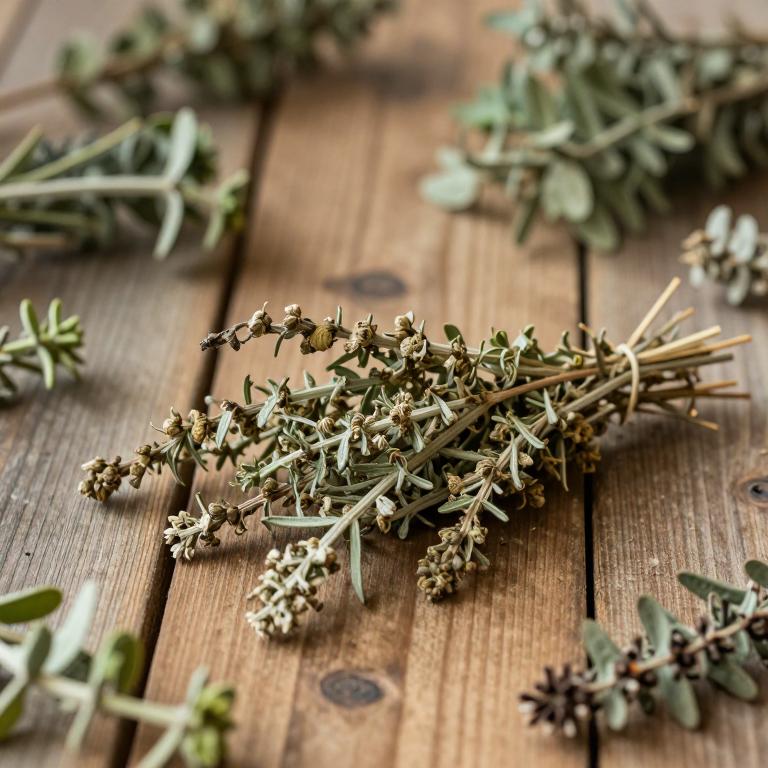
- Synonyms
- Rhodax Dichrous · Helianthemum Marifolium Subsp. Cinerascens · 19 more
- Common names
- Not available
- Family
- Cistaceae
- Distribution
- Not available
- Plant Parts
- Leaf
Classification
Synonyms
Helianthemum marifolium subsp. marifolium is a complex taxon characterized by a diverse array of recognized botanical synonyms. Within its taxonomic history, several distinct forms have been identified, such as Helianthemum canum f. tomentosum and Helianthemum dichroum. The classification also encompasses various morphological variations, including Helianthemum marifolium f. argyreum and Helianthemum marifolium f. fontii. Furthermore, the subspecies is linked to the specific form known as Helianthemum marifolium f. ibericum. Understanding these interrelated names is essential for accurate identification and botanical study of this plant.
Sources: The World Checklist of Vascular Plants (WCVP)
Taxonomy
Helianthemum marifolium subsp. marifolium is a distinct botanical entity that belongs to the kingdom Plantae. Within this vast biological realm, it is classified under the class Equisetopsida. Its taxonomic journey continues through the order Malvales, showcasing its evolutionary connections. Furthermore, this subspecies is a member of the family Cistaceae, which characterizes its specific growth patterns. Ultimately, it is identified by its placement within the genus Helianthemum.
| Rank | Classification |
|---|---|
| Kingdom | Plantae |
| Phylum | Streptophyta |
| Class | Equisetopsida |
| Subclass | Magnoliidae |
| Order | Malvales |
| Family | Cistaceae |
| Genus | Helianthemum |
Sources: The World Checklist of Vascular Plants (WCVP)
Distribution
Geographic Regions
Helianthemum marifolium subsp. marifolium is a resilient plant species with a widespread geographic footprint across several regions. Its natural range extends through Northern Africa, with significant populations found in Algeria. In Europe, the subspecies is primarily concentrated within the Southwestern territories. This distribution includes established presence throughout the diverse landscapes of France, Portugal, and Spain. Consequently, this plant serves as a vital component of the Mediterranean botanical landscape.
Sources: The World Checklist of Vascular Plants (WCVP)
Identification
Biological Activities
Compounds
Helianthemum marifolium subsp. marifolium exhibits a unique polyphenolic profile that distinguishes it from other taxa within the genus. Phytochemical analysis reveals that this specific subspecies contains significant amounts of gallic acid. In addition to this acid, the plant is characterized by the presence of ellagitannins. These secondary metabolites contribute to the complex chemical makeup that defines its specific chemotype. Such chemical characteristics are essential for understanding the relationship between the plant's composition and its potential medicinal applications.
Conditions
Preparations
Parts used
Helianthemum marifolium subsp. marifolium is one of the specific taxa identified in recent phytochemical research focused on the medicinal properties of the Helianthemum genus. Studies have specifically analyzed the leaves of this subspecies to determine their qualitative composition of secondary metabolites. The leaf extracts of this plant are characterized by the presence of key compounds such as gallic acid, ellagic derivatives, and ellagitannins. Furthermore, the leaves of Helianthemum marifolium subsp. marifolium consistently demonstrate some of the strongest radical scavenging activities and antimicrobial capabilities among the studied taxa. These findings suggest that the polyphenolic profile found in the leaves is directly related to the plant's traditional medicinal uses.