Heisteria acuminata
Heisteria acuminata · Accepted scientific name
Scientific literature: Very Sparse (1 studies) · ★☆☆☆☆
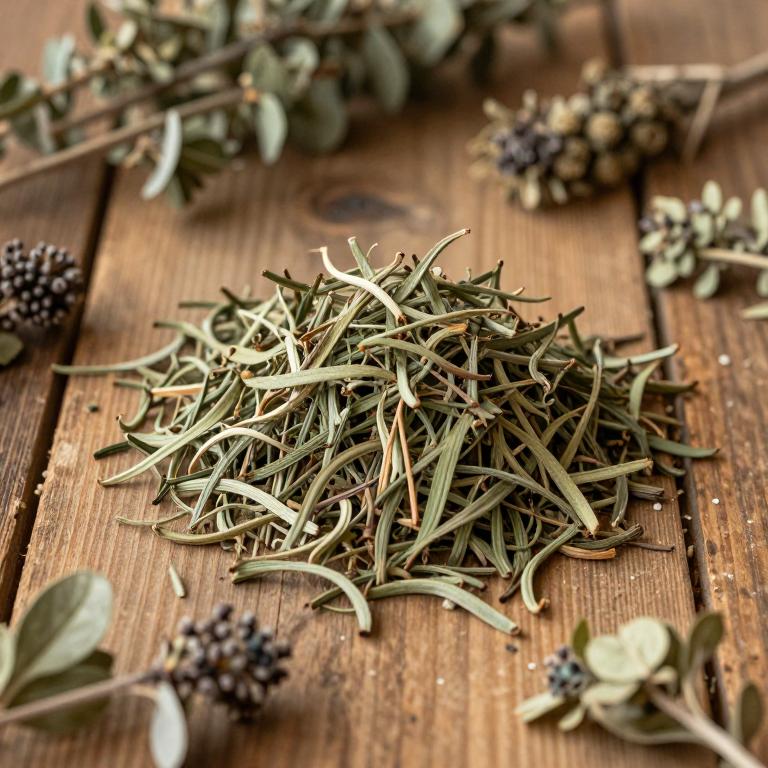
Heisteria acuminata is a botanical species recognized for its significant therapeutic potential in traditional medicine. Researchers have focused on the plant's medicinal properties, particularly its notable antiinflammatory activities. To harness these benefits, specific parts of the plant are processed into concentrated forms. The most common preparations involve utilizing the bark to create a potent ethanol extract. This targeted approach allows for the efficient isolation of bioactive compounds essential for medicinal use.
- Synonyms
- Rhaptostylum Acuminatum
- Common names
- Not available
- Family
- Olacaceae
- Distribution
- Not available
- Plant Parts
- Not available
Classification
Common Names
Heisteria acuminata is a distinctive botanical species known by the common name golierikovka končistá. This plant belongs to a fascinating lineage that connects it to various tropical ecosystems across the globe. Understanding its nomenclature helps researchers better categorize its specific ecological niche and growth habits. By studying its unique characteristics, botanists can gain deeper insights into how it interacts with its surrounding environment. Ultimately, recognizing this plant by its various names ensures better conservation efforts and scientific clarity.
Sources: Catalogue of Life (COL)
Synonyms
Heisteria acuminata is a botanical species that is frequently identified in scientific literature under its synonym, Rhaptostylum acuminatum. While these two names may appear distinct to the casual observer, they refer to the exact same organism within the plant kingdom. Understanding this taxonomic link is essential for researchers attempting to track the plant's distribution and ecological role. Such nomenclatural shifts often occur as botanical classifications are refined through updated genetic studies. Consequently, recognizing both terms ensures accuracy when studying the complex biological profile of this particular plant.
Sources: The World Checklist of Vascular Plants (WCVP)
Taxonomy
Heisteria acuminata is a fascinating member of the kingdom Plantae. This specific species belongs to the genus Heisteria and is classified under the class Equisetopsida. Within its taxonomic hierarchy, it is placed in the order Santalales. Furthermore, it is a distinguished representative of the family Olacaceae. Through these scientific classifications, researchers can better understand its unique biological position.
| Rank | Classification |
|---|---|
| Kingdom | Plantae |
| Phylum | Streptophyta |
| Class | Equisetopsida |
| Subclass | Magnoliidae |
| Order | Santalales |
| Family | Olacaceae |
| Genus | Heisteria |
Sources: The World Checklist of Vascular Plants (WCVP)
Distribution
Geographic Regions
Heisteria acuminata exhibits a broad geographical range that spans from the tropical regions of North America into the heart of the southern continents. In the north, its presence is noted throughout Mexico, specifically extending into the southeastern territories. Moving southward, the species is well-established across various regions of Brazil, including the northern and west-central areas. Its distribution also continues through Central America, where it can be found in the lush landscapes of Costa Rica and Panamá. This widespread occurrence highlights the plant's ability to thrive across diverse ecological zones throughout the Americas.
Sources: The World Checklist of Vascular Plants (WCVP)
Identification
Morphology
Heisteria acuminata is a self-supporting tree that establishes a sturdy presence within its ecosystem. This species typically exhibits a growth form characterized by a singular, upright trunk. Depending on its specific environmental conditions, the plant reaches a minimum height of 4 meters. In optimal habitats, it can continue to grow until it attains a maximum height of 15 meters.
Sources: Global Inventory of Floras and Traits (GIFT)
Biological Activities
Heisteria acuminata has demonstrated significant therapeutic potential through the isolation of several unique acetylenic compounds from its bark. Researchers utilized bioassay-guided fractionation to identify five new linear acetylenic compounds with specific biological functions. These isolated substances were tested using cyclooxygenase (COX) and 5-lipoxygenase (5-LO) assays to evaluate their anti-inflammatory activity. The study revealed that these compounds act as potent inhibitors of the COX enzyme. Furthermore, specific derivatives were identified as highly effective inhibitors of 5-LO, highlighting the plant's medicinal value.
Compounds
Conditions
Heisteria acuminata demonstrates significant antiviral properties through its ethanol extract. This specific plant extract shows good activity against the DNA virus herpes simplex type I (HSV-1). Additionally, the extract exhibits effective antiviral effects against the RNA virus vesicular stomatitis virus (VSV). These inhibitory actions occur within the concentration range of 125-250 micrograms/mL. Consequently, Heisteria acuminata serves as a promising source for treating both HSV-1 and VSV.
Preparations
Heisteria acuminata is prepared as bark to facilitate the isolation of new acetylenic compounds. These specific linear acetylenic compounds, such as pentadeca-6,8,10-triynoic acid, were identified through bioassay-guided fractionation of the bark. Furthermore, Heisteria acuminata is prepared as an ethanol extract for medicinal screening. This ethanol extract demonstrates good antiviral activity against both DNA and RNA viruses, specifically HSV-1 and VSV. These two preparation methods highlight the plant's diverse chemical and therapeutic utility.