Hedysarum neglectum
Hedysarum neglectum · Accepted scientific name
Scientific literature: Very Sparse (0 studies) · ★☆☆☆☆
Hedysarum neglectum is a distinctive plant species known for its resilient growth patterns in specific natural habitats. While much of its presence is noted through its foliage, the plant possesses a specialized root system that plays a vital role in its survival. This underground structure serves as a primary anchor, allowing the species to thrive in varied soil conditions. Understanding the characteristics of the root is essential for studying the overall biology and ecological impact of this legume. Exploring these botanical details provides deeper insight into the life cycle of this unique organism.
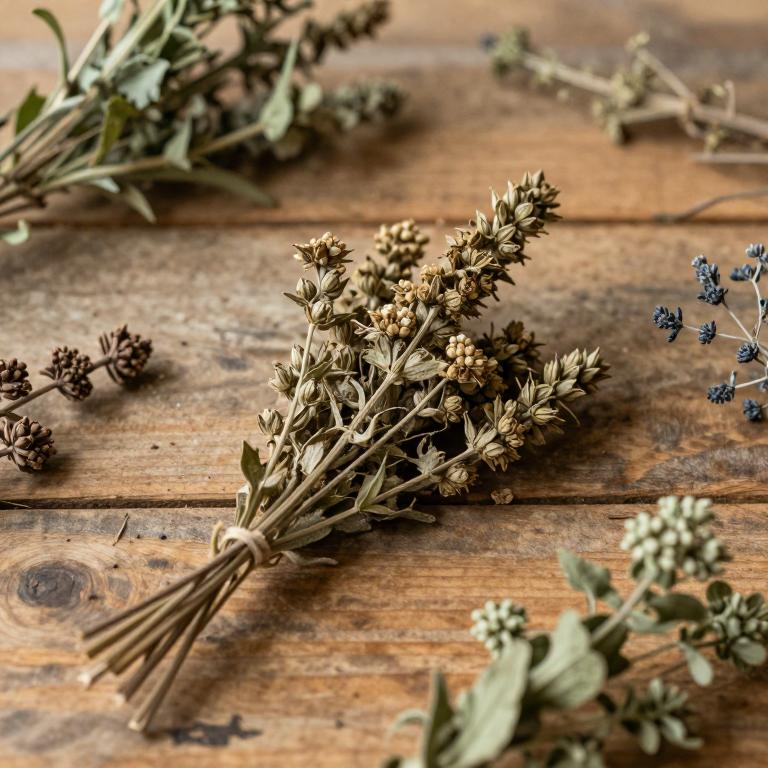
- Synonyms
- Hedysarum Ledebourii · Hedysarum Hedysaroides F. Neglectum · 4 more
- Common names
- Not available
- Family
- Fabaceae
- Distribution
- Southern America
- Plant Parts
- Root
Classification
Common Names
Hedysarum neglectum is a distinctive plant known by various names across different linguistic landscapes. In the Slavic regions, it is commonly referred to as sekernica prehliadaná or Копеечник забытый. Moving toward East Asia, the species is identified by the Chinese name 疏忽岩黄芪. These diverse common names reflect the global presence and cultural recognition of this specific legume. Understanding these botanical relationships helps researchers and enthusiasts identify the plant regardless of their local terminology.
Sources: Catalogue of Life (COL)
Synonyms
Hedysarum neglectum is a species that has been identified through a wide variety of botanical names across different taxonomic studies. It is recognized under several synonyms, including the designation Hedysarum austrosibiricum. Researchers have also categorized the plant as Hedysarum hedysaroides f. neglectum and Hedysarum hedysaroides subsp. austrosibiricum. Furthermore, the species has been linked to the names Hedysarum ledebourii and Hedysarum obscurum var. lasiocarpum in historical literature. Navigating these complex nomenclatural relationships is essential for accurate botanical identification and classification.
Sources: The World Checklist of Vascular Plants (WCVP)
Taxonomy
Hedysarum neglectum is a distinctive botanical species classified under the kingdom Plantae. Within this vast kingdom, it belongs to the class Equisetopsida, marking its place among diverse flowering plants. Its systematic lineage continues through the order Fabales, which connects it to a specific group of evolutionary relatives. This plant is a member of the family Fabaceae, a group well-known for its significant ecological roles. Finally, it is formally identified by its specific genus, Hedysarum.
| Rank | Classification |
|---|---|
| Kingdom | Plantae |
| Phylum | Streptophyta |
| Class | Equisetopsida |
| Subclass | Magnoliidae |
| Order | Fabales |
| Family | Fabaceae |
| Genus | Hedysarum |
Sources: The World Checklist of Vascular Plants (WCVP)
Distribution
Geographic Regions
Hedysarum neglectum is a resilient species primarily found throughout the temperate regions of Asia. Its geographic footprint extends across Central Asia, where it flourishes in the landscapes of Kazakhstan, Kyrgyzstan, and Tajikistan. The plant also makes a significant presence in China, specifically within the Xinjiang region. Moving toward the eastern reaches of the continent, its distribution continues into the islands of Japan. This widespread range highlights the plant's ability to adapt to diverse temperate environments across the Asian landmass.
Sources: The World Checklist of Vascular Plants (WCVP)
Identification
Morphology
Hedysarum neglectum is a herbaceous plant characterized by its distinct growth form. This species typically reaches a maximum height of 0.8 meters, though it can be found as small as 0.15 meters. Such variability in stature allows the herb to adapt effectively to its surrounding environment.
Sources: Global Inventory of Floras and Traits (GIFT)
Biological Activities
Compounds
Conditions
Preparations
Parts used
Hedysarum neglectum is a medicinal plant that offers significant biological potential through its specialized root crops. Researchers have focused on cultivating these plant root cultures in vitro to ensure a steady supply of raw materials for medicinal use. By transforming the rhizome with specific bacteria, scientists can effectively produce high-quality extracts for study. These extracts have demonstrated notable antimicrobial and antioxidant activities, highlighting the plant's health benefits. Ultimately, the bioactive substances found within the roots of Hedysarum neglectum can serve as valuable natural antioxidants in functional nutrition.