Hedyotis fruticosa
Hedyotis fruticosa · Accepted scientific name
Scientific literature: Very Sparse (15 studies) · ★☆☆☆☆
Heliotis fruticosa, scientifically known as Heliotis fruticosa, is a versatile medicinal shrub valued in traditional healing practices. Renowned for its potent bioactive compounds, this plant offers significant therapeutic potential, particularly for its anti-inflammatory and antioxidant properties. Understanding its botanical characteristics is essential for exploring its diverse pharmacological applications.
- Family
- Not available
- Native range
- Asia-Tropical
- Parts used
- Not available
- Common names
- Not available
- Scientific synonyms
- Not available
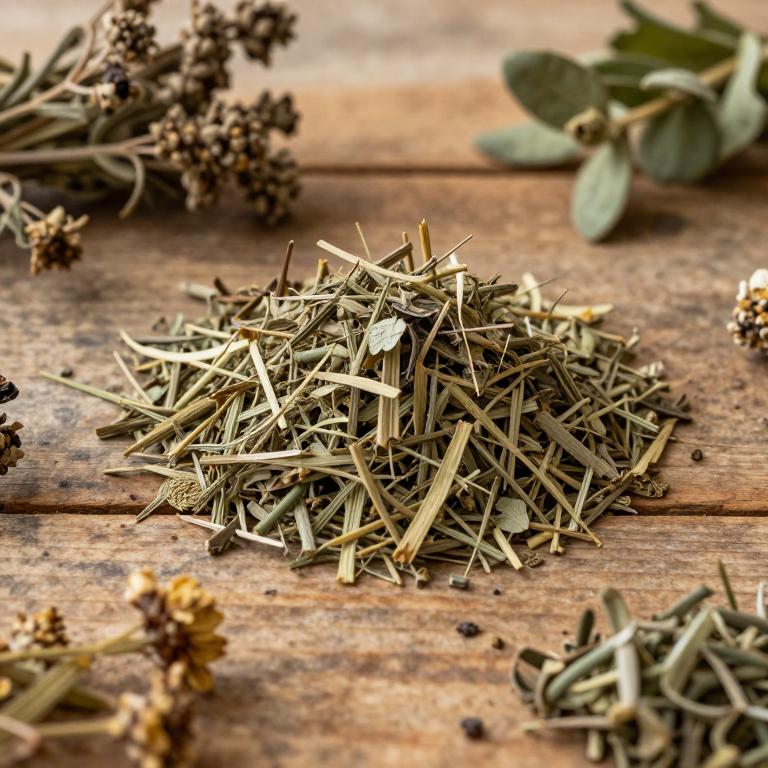
Names and Synonyms
Scientific Names
Accepted name
Hedyotis fruticosaDistribution
This plant is distributed across several key regions within the Asian continent. Within the Indian Subcontinent, it is commonly found growing in India. Its presence is also well-documented across the landscape of Sri Lanka. Moving further east into the Indo-China region, the species extends into Myanmar. Consequently, these specific areas define the primary natural range of the species.
| Region | Area |
|---|---|
| Indian Subcontinent | India |
| Indian Subcontinent | Sri Lanka |
| Indo-China | Myanmar |
Sources: The World Checklist of Vascular Plants (WCVP)
Chemicals
Hedyotis fruticosa has 1 reported phytochemicals identified across 0 scientific publications and several other databases. The most consistently reported chemicals include Betulin.
| Chemical | Supporting sources | Consensus |
|---|---|---|
| Betulin | 1 supporting sources | ★☆☆☆☆ |
Betulin
- Dr. Duke
Activities
Hedyotis fruticosa has 13 reported activities identified across 0 scientific publications and several other databases. The most consistently reported activities include AntiHIV, Anticarcinomic, Antifeedant, Antiflu, Antiinflammatory.
| Activity | Supporting sources | Consensus |
|---|---|---|
| AntiHIV | 1 supporting sources | ★☆☆☆☆ |
| Anticarcinomic | 1 supporting sources | ★☆☆☆☆ |
| Antifeedant | 1 supporting sources | ★☆☆☆☆ |
| Antiflu | 1 supporting sources | ★☆☆☆☆ |
| Antiinflammatory | 1 supporting sources | ★☆☆☆☆ |
| Antinociceptive | 1 supporting sources | ★☆☆☆☆ |
| Antitumor | 1 supporting sources | ★☆☆☆☆ |
| Antiviral | 1 supporting sources | ★☆☆☆☆ |
| Aphidifuge | 1 supporting sources | ★☆☆☆☆ |
| Cytotoxic | 1 supporting sources | ★☆☆☆☆ |
AntiHIV
- Dr. Duke
Anticarcinomic
- Dr. Duke
Antifeedant
- Dr. Duke
Antiflu
- Dr. Duke
Antiinflammatory
- Dr. Duke
Antinociceptive
- Journal of ethnopharmacology
Antitumor
- Dr. Duke
Antiviral
- Dr. Duke
Aphidifuge
- Dr. Duke
Cytotoxic
- Dr. Duke
Preparations
Hedyotis fruticosa has 2 reported preparations identified across 0 scientific publications and several other databases. The most consistently reported preparations include EEHC, Jwarahara Kwatha Choornam.
| Preparation | Supporting sources | Consensus |
|---|---|---|
| Eehc | 1 supporting sources | ★☆☆☆☆ |
| Jwarahara kwatha choornam | 1 supporting sources | ★☆☆☆☆ |
Eehc
- Journal of ethnopharmacology
Jwarahara kwatha choornam
- Scientific reports