Hedyosmum arborescens
Hedyosmum arborescens · Accepted scientific name
Scientific literature: Very Sparse (0 studies) · ★☆☆☆☆
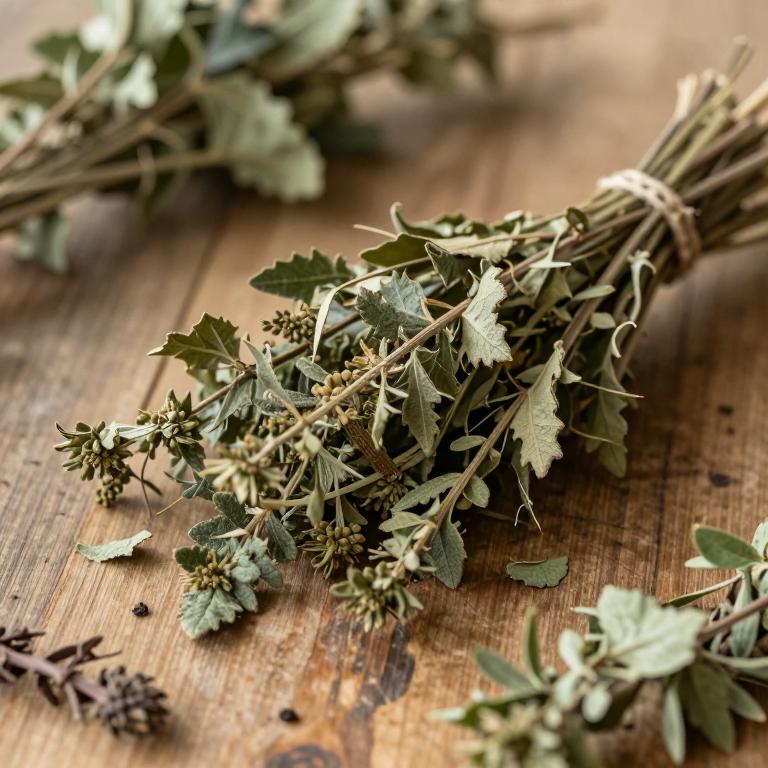
Hedyosmum arborescens is a fascinating shrub known for its distinct botanical characteristics. The most striking feature of this plant is its lush, green leaf, which serves as a primary identifier for species recognition. These leaves are carefully structured to optimize photosynthesis within its natural habitat. By observing the texture and arrangement of the foliage, enthusiasts can better appreciate its role in the ecosystem. Understanding the nuances of its leaf development offers valuable insight into the plant's overall biology.
- Synonyms
- Tafalla Arborescens · Hedyosmum Elegans · 1 more
- Common names
- Not available
- Family
- Chloranthaceae
- Distribution
- Not available
- Plant Parts
- Leaf
Classification
Common Names
Hedyosmum arborescens is a fascinating species known by a wide variety of local names across its native range. In many regions, it is referred to as Bois de l'eau, Bois fragile, or Bois molle, reflecting its unique physical characteristics. Within the Lesser Antilles, the plant is specifically recognized by the name Bois-senti. It is also commonly known as the Cigar bush, a name that highlights its distinct cultural or practical identity. These diverse monikers showcase the deep connection between the plant and the different communities that inhabit its environment.
Sources: Catalogue of Life (COL)
Synonyms
Hedyosmum arborescens is a plant species that is frequently identified by several different botanical names. Within scientific literature, it is recognized by the synonym Hedyosmum elegans. The plant is also documented under the name Tafalla arborescens in various taxonomic records. Furthermore, some classifications refer to this species as Tafalla mandarborescens. Understanding these various synonyms is essential for accurate identification in botanical studies.
Sources: The World Checklist of Vascular Plants (WCVP)
Taxonomy
Hedyosmum arborescens is a distinctive botanical specimen that belongs to the kingdom Plantae. Within this vast kingdom, the plant is classified under the class Equisetopsida. It further narrows down into the order Chloranthales, showcasing its unique evolutionary lineage. This species is a member of the family Chloranthaceae, a group known for its specific floral characteristics. Finally, it is categorized under the genus Hedyosmum, which defines its fundamental biological identity.
| Rank | Classification |
|---|---|
| Kingdom | Plantae |
| Phylum | Streptophyta |
| Class | Equisetopsida |
| Subclass | Magnoliidae |
| Order | Chloranthales |
| Family | Chloranthaceae |
| Genus | Hedyosmum |
Sources: The World Checklist of Vascular Plants (WCVP)
Distribution
Geographic Regions
Hedyosmum arborescens is a plant species with an expansive geographical reach spanning across much of Southern America and the Caribbean. Its presence is felt throughout the tropical landscapes of Jamaica and the various territories of Puerto Rico. The species also flourishes within the Leeward Islands, establishing itself in those unique island environments. Additionally, its distribution extends into the Windward Islands, further solidifying its regional importance. This widespread range highlights the plant's ability to thrive across diverse Caribbean ecosystems.
Sources: The World Checklist of Vascular Plants (WCVP)
Identification
Morphology
Hedyosmum arborescens grows in a tree-like form, reaching upward to establish itself within its ecosystem. As a self-supporting species, it maintains its own structural integrity without the need for external assistance.
Sources: Global Inventory of Floras and Traits (GIFT)
Biological Activities
Compounds
Conditions
Preparations
Parts used
Hedyosmum arborescens serves as the biological source for the discovery of a unique alpha-methylene gamma-lactone sesquiterpene. Researchers successfully isolated this specific chemical compound from the plant's leaves during their investigation. The newly identified substance is characterized as 7alpha,10alpha-epoxy-1alpha(H),5alpha(H)-guaia-3,11(13)-dien-8alpha,12-olide. To confirm its unusual structure, scientists utilized advanced spectroscopic techniques, including one- and two-dimensional NMR. This study highlights the complex chemical potential found within the foliage of this particular species.