Hedeoma patens
Hedeoma patens · Accepted scientific name
Scientific literature: Very Sparse (7 studies) · ★☆☆☆☆
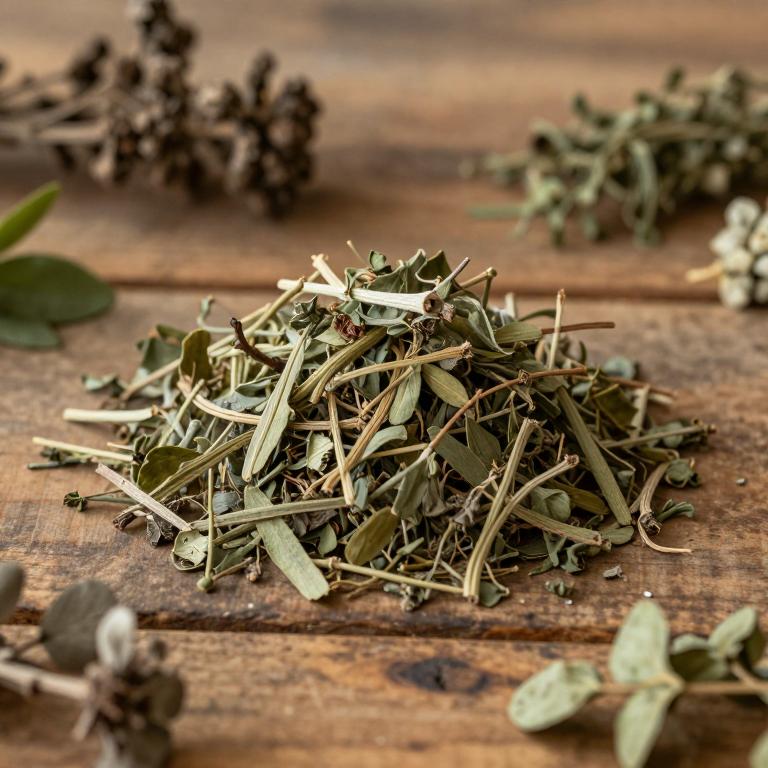
, scientifically known as Hedeoma patens, is a climbing medicinal vine native to tropical regions. Often called "blue swallow," it is highly valued in traditional medicine for its diverse therapeutic properties. Used primarily to treat respiratory issues, skin ailments, and inflammatory conditions, this plant offers significant ethnobotanical potential.
- Family
- Lamiaceae
- Native range
- Northern America
- Parts used
- Not available
- Common names
- Not available
- Scientific synonyms
- Not available
Names and Synonyms
Scientific Names
Accepted name
Hedeoma patensSources: Wikidata
Taxonomical Classification
This plant belongs to the kingdom Plantae and the phylum Streptophyta, falling under the class Equisetopsida and subclass Magnoliidae. Within the order Lamiales and the family Lamiaceae, it is classified under the genus Hedeoma. Specifically, it is known by the scientific name Hedeoma patens.
| Rank | Classification |
|---|---|
| Kingdom | Plantae |
| Phylum | Streptophyta |
| Class | Equisetopsida |
| Subclass | Magnoliidae |
| Order | Lamiales |
| Family | Lamiaceae |
| Genus | Hedeoma |
Sources: The World Checklist of Vascular Plants (WCVP)
Distribution
This plant is specifically found within the unique landscapes of Mexico. Its geographical range is concentrated in a particular region of the country. Specifically, the distribution of Hedeoma patens is limited to the Northeast part of Mexico. This localized presence suggests that the species thrives in the specific environmental conditions of that area. Therefore, its occurrence is strictly tied to the northeastern territories of the Mexican nation.
| Region | Area |
|---|---|
| Mexico | Mexico Northeast |
Sources: The World Checklist of Vascular Plants (WCVP)
Botanical Identification
Life history
The life history of Hedeoma patens is characterized by its specific classification as a chamaephyte, a life form that dictates its survival strategy and structural growth pattern. As a chamaephyte, the plant maintains its perennating buds very close to the soil surface, allowing it to withstand environmental fluctuations and seasonal changes by keeping its vital regenerative organs protected near the ground. This physiological approach to life history ensures that even if the above-ground foliage is damaged or undergoes seasonal senescence, the plant can quickly re-emerge from its low-lying buds. This specific life form categorization highlights its ability to thrive in its niche by balancing structural resilience with a low-profile growth habit, ensuring long-term persistence in its native habitat.
- Life form :
- chamaephyte
Morphology
The morphology of Hedeoma patens is characterized by its growth habit as a self-supporting climber, utilizing its structural form to navigate its environment without the need for external hosts. It functions as an independent organism, meaning it is not a parasite and does not rely on other living plants for nutrients or water. Furthermore, despite its climbing tendencies, it maintains a terrestrial existence, growing within the soil rather than existing as an epiphyte.
- Climber :
- self-supporting
- Epiphyte :
- terrestrial
- Parasite :
- independent
Sources: Global Inventory of Floras and Traits (GIFT)
Chemicals
Hedeoma patens has 2 reported phytochemicals identified across 0 scientific publications and several other databases. The most consistently reported chemicals include Flavonoids, polyphenols.
| Chemical | Supporting sources | Consensus |
|---|---|---|
| Flavonoids | 1 supporting sources | ★☆☆☆☆ |
| polyphenols | 1 supporting sources | ★☆☆☆☆ |
Flavonoids
- Food research international (Ottawa, Ont.)
polyphenols
- Food research international (Ottawa, Ont.)
Activities
Hedeoma patens has 3 reported activities identified across 0 scientific publications and several other databases. The most consistently reported activities include Antioxidant, Hypoglycemic, Hypolipidemic.
| Activity | Supporting sources | Consensus |
|---|---|---|
| Antioxidant | 1 supporting sources | ★☆☆☆☆ |
| Hypoglycemic | 1 supporting sources | ★☆☆☆☆ |
| Hypolipidemic | 1 supporting sources | ★☆☆☆☆ |
Antioxidant
- Food research international (Ottawa, Ont.)
Hypoglycemic
- Food research international (Ottawa, Ont.)
Hypolipidemic
- Food research international (Ottawa, Ont.)
Conditions
Hedeoma patens has 2 reported investigations on conditions identified across 0 scientific publications and several other databases. The most consistently reported conditions include antioxidant, hypoglycemic.
| Condition | Supporting sources | Consensus |
|---|---|---|
| Antioxidant | 1 supporting sources | ★☆☆☆☆ |
| Hypoglycemic | 1 supporting sources | ★☆☆☆☆ |
Antioxidant
- Food research international (Ottawa, Ont.)
Hypoglycemic
- Food research international (Ottawa, Ont.)