Hedeoma hispida
Hedeoma hispida · Accepted scientific name
Scientific literature: Moderate (132 studies) · ★★★☆☆
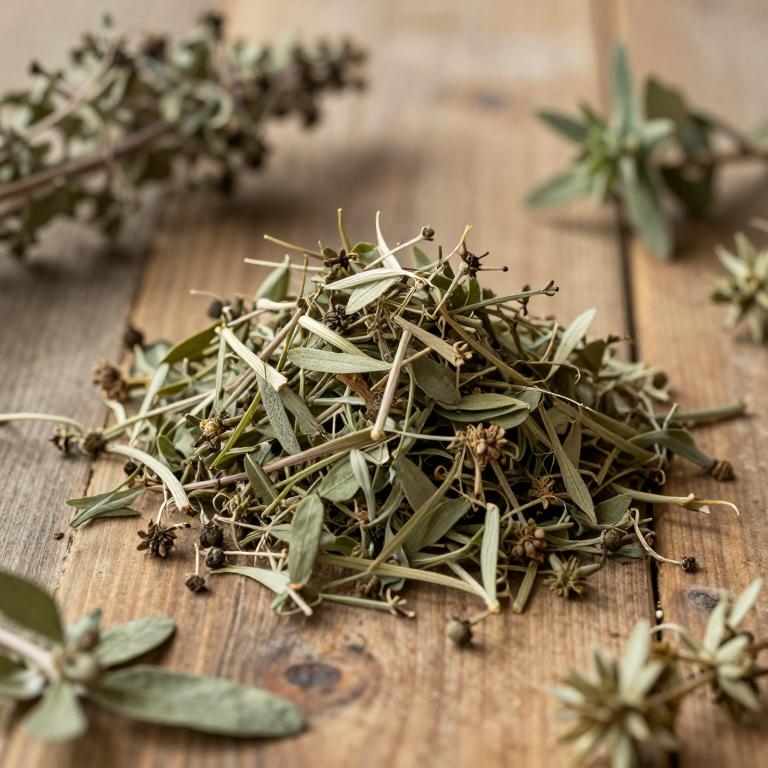
Hedeoma hispida, scientifically known as Hedeoma hispida, is a fragrant member of the mint family, commonly called bushy mint. Native to North America, this aromatic herb has been traditionally utilized for its therapeutic properties, particularly in treating respiratory ailments, digestive issues, and providing calming effects through its essential oils.
- Family
- Not available
- Native range
- Northern America
- Parts used
- Not available
- Common names
- Not available
- Scientific synonyms
- Not available
Names and Synonyms
Scientific Names
Accepted name
Hedeoma hispidaDistribution
This plant exhibits a broad distribution across several key regions of North America. In Western Canada, its presence is recorded within the provinces of Alberta and British Columbia. Moving toward the east, the species can also be found in Ontario and Québec. Beyond Canadian borders, the plant extends into the Northwestern United States, specifically within Colorado. Consequently, its habitat spans a diverse range of territories from the western mountains to the eastern woodlands.
| Region | Area |
|---|---|
| Western Canada | Alberta |
| Western Canada | British Columbia |
| Eastern Canada | Ontario |
| Eastern Canada | Québec |
| Northwestern U.S.A. | Colorado |
| Northwestern U.S.A. | Montana |
| North-Central U.S.A. | Illinois |
| North-Central U.S.A. | Iowa |
| North-Central U.S.A. | Kansas |
| North-Central U.S.A. | Minnesota |
Sources: The World Checklist of Vascular Plants (WCVP)
Botanical Identification
Life history
The life history of Hedeoma hispida is characterized by its classification as an annual plant, meaning it completes its entire developmental cycle—from germination to seed production—within a single growing season. As a therophyte, it survives the unfavorable periods of its environment by producing seeds that remain dormant until conditions are favorable for new growth. This life form strategy allows the species to rapidly exploit seasonal resources and avoid the physiological stresses of prolonged environmental shifts by existing primarily in a seed state during non-growing seasons.
- Life form :
- therophyte
- Lifecycle :
- annual
Morphology
The morphology of Hedeoma hispida is characterized by its growth form as a non-woody herb, specifically categorized as a forb. It functions as an independent organism rather than a parasite and maintains a terrestrial existence, rather than being aquatic or an epiphyte. In terms of its structural habit, the plant acts as a self-supporting climber, exhibiting both self-supporting and facultative climbing characteristics without the need for obligatory support.
- Aquatic :
- terrestrial
- Climber :
- self-supporting
- Epiphyte :
- terrestrial
- Growth form :
- herb
- Growth form :
- forb
- Parasite :
- independent
- Woodiness :
- non-woody
Physiology
The physiology of Hedeoma hispida is characterized by a C3 photosynthetic pathway, a metabolic strategy common among many temperate herbaceous plants that involves the direct fixation of carbon dioxide through the Calvin cycle. In this process, the enzyme RuBisCO catalyzes the carboxylation of ribulose-1,5-bisphosphate, leading to the production of three-carbon molecules. This C3 mechanism dictates the plant's water-use efficiency and transpiration rates, as stomatal conductance must be carefully regulated to balance CO2 uptake with the prevention of excessive moisture loss. The metabolic profile of the plant is further defined by the biosynthesis of volatile terpenoids within specialized glandular trichomes, which serve physiological functions such as herbivory defense and environmental stress mitigation. Through these integrated processes, the plant manages energy conversion and secondary metabolite production to maintain homeostasis within its native ecological niches.
- Photosynthetic pathway :
- C3
Reproduction
Reproduction in Hedeoma hispida is characterized by the production of minute seeds that facilitate dispersal and colonization. The seeds exhibit a highly consistent mass, with a recorded mean seed mass of 0.00019 g. This small size is reflected in the narrow range of variability observed within the species, as the maximum seed mass reaches only 0.0002 g (2e-04 g) and the minimum seed mass is recorded at 0.00018 g. Such minimal fluctuations in seed mass suggest a specialized reproductive strategy focused on high-volume production of lightweight seeds.
- Seed mass max:
- 2e-04 g
- Seed mass mean:
- 0.00019 g
- Seed mass min:
- 0.00018 g
Sources: Global Inventory of Floras and Traits (GIFT)
Chemicals
Hedeoma hispida has 16 reported phytochemicals identified across 0 scientific publications and several other databases. The most consistently reported chemicals include 1-Octen-3-yl acetate, ALPHA-PINENE, BETA-PINENE, BORNYL ACETATE, Borneol.
| Chemical | Supporting sources | Consensus |
|---|---|---|
| 1-Octen-3-yl acetate | 1 supporting sources | ★☆☆☆☆ |
| ALPHA-PINENE | 1 supporting sources | ★☆☆☆☆ |
| BETA-PINENE | 1 supporting sources | ★☆☆☆☆ |
| BORNYL ACETATE | 1 supporting sources | ★☆☆☆☆ |
| Borneol | 1 supporting sources | ★☆☆☆☆ |
| CAMPHENE | 1 supporting sources | ★☆☆☆☆ |
| Caryophyllene | 1 supporting sources | ★☆☆☆☆ |
| EO | 1 supporting sources | ★☆☆☆☆ |
| Germacrene D | 1 supporting sources | ★☆☆☆☆ |
| LIMONENE | 1 supporting sources | ★☆☆☆☆ |
1-Octen-3-yl acetate
- Dr. Duke
ALPHA-PINENE
- Dr. Duke
BETA-PINENE
- Dr. Duke
BORNYL ACETATE
- Dr. Duke
Borneol
- Dr. Duke
CAMPHENE
- Dr. Duke
Caryophyllene
- Dr. Duke
EO
- Dr. Duke
Germacrene D
- Dr. Duke
LIMONENE
- Dr. Duke
Activities
Hedeoma hispida has 116 reported activities identified across 0 scientific publications and several other databases. The most consistently reported activities include (-)-Chronotropic, (-)-Inotropic, ACE-Inhibitor, AChE-Inhibitor, Acaricide.
| Activity | Supporting sources | Consensus |
|---|---|---|
| (-)-Chronotropic | 1 supporting sources | ★☆☆☆☆ |
| (-)-Inotropic | 1 supporting sources | ★☆☆☆☆ |
| ACE-Inhibitor | 1 supporting sources | ★☆☆☆☆ |
| AChE-Inhibitor | 1 supporting sources | ★☆☆☆☆ |
| Acaricide | 1 supporting sources | ★☆☆☆☆ |
| Aldose-Reductase-Inhibitor | 1 supporting sources | ★☆☆☆☆ |
| Allelochemic | 1 supporting sources | ★☆☆☆☆ |
| Allelopathic | 1 supporting sources | ★☆☆☆☆ |
| Allergenic | 1 supporting sources | ★☆☆☆☆ |
| Analgesic | 1 supporting sources | ★☆☆☆☆ |
(-)-Chronotropic
- Dr. Duke
(-)-Inotropic
- Dr. Duke
ACE-Inhibitor
- Dr. Duke
AChE-Inhibitor
- Dr. Duke
Acaricide
- Dr. Duke
Aldose-Reductase-Inhibitor
- Dr. Duke
Allelochemic
- Dr. Duke
Allelopathic
- Dr. Duke
Allergenic
- Dr. Duke
Analgesic
- Dr. Duke