Harungana
Harungana · Accepted scientific name
Scientific literature: Very Sparse (0 studies) · ★☆☆☆☆
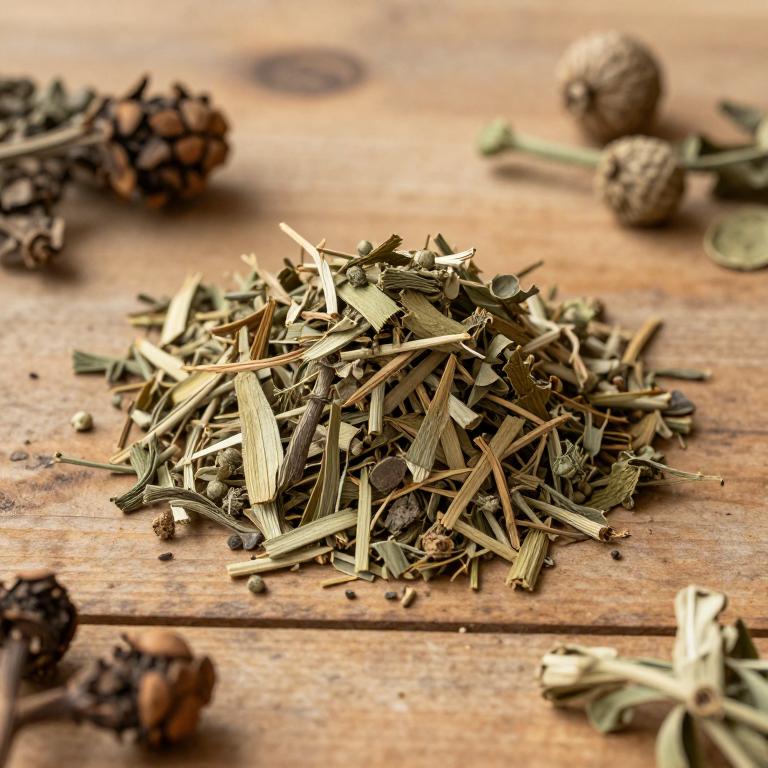
Harungana is a versatile tropical shrub known for its striking appearance and diverse medicinal properties. Among its most notable features is the large, glossy green leaf that characterizes its lush foliage. These leaves are frequently studied in botanical research due to their unique chemical compositions. Many traditional healing practices rely on the leaf to treat various ailments throughout different regions. Understanding the specific characteristics of the Harungana leaf provides valuable insight into its ecological and therapeutic importance.
- Synonyms
- Haronga
- Common names
- Not available
- Family
- Hypericaceae
- Distribution
- Southern America
- Plant Parts
- Leaf
Classification
Common Names
Harungana is a versatile plant that is most widely recognized by its common name, harungana. This straightforward naming convention makes it easy for botanists and local communities to identify the species across various regions. By using such a familiar term, people can more effectively discuss its unique medicinal and ecological properties. The widespread use of the common name helps bridge the gap between formal scientific study and everyday traditional knowledge. Consequently, the plant remains a well-known staple in both herbal medicine and botanical discussions.
Sources: Catalogue of Life (COL)
Synonyms
Harungana is a botanical name frequently encountered in scientific literature, yet it is often identified by its synonym, Haronga. This linguistic variation can sometimes cause confusion for researchers and gardeners attempting to classify the species correctly. Understanding that these two terms refer to the exact same plant is essential for accurate documentation and study. By recognizing Haronga as a valid alternative, one can more easily navigate various taxonomic databases. Ultimately, mastering these naming relationships ensures a clearer comprehension of the plant's identity across different academic contexts.
Sources: The World Checklist of Vascular Plants (WCVP)
Taxonomy
Harungana is a remarkable member of the kingdom Plantae that showcases the intricate complexity of biological classification. Belonging to the class Equisetopsida, this plant follows a specific evolutionary lineage that defines its structure. It is further categorized within the order Malpighiales, a diverse group that includes many significant species. Within this order, the plant is nested under the family Hypericaceae, highlighting its botanical connections. Ultimately, it is defined by its own unique genus, Harungana, which distinguishes it within the natural world.
| Rank | Classification |
|---|---|
| Kingdom | Plantae |
| Phylum | Streptophyta |
| Class | Equisetopsida |
| Subclass | Magnoliidae |
| Order | Malpighiales |
| Family | Hypericaceae |
| Genus | Harungana |
Sources: The World Checklist of Vascular Plants (WCVP)
Distribution
Geographic Regions
Harungana is a plant species widely distributed across various regions of the African continent. It is prominently found throughout East Tropical Africa, including the nations of Kenya, Tanzania, and Uganda. Beyond the eastern regions, the species also extends into Northeast Tropical Africa. This broader range encompasses parts of Chad as well as the territories of Sudan and South Sudan. Consequently, these diverse locations highlight the significant geographic footprint of Harungana within the African landscape.
Sources: The World Checklist of Vascular Plants (WCVP)
Identification
Biological Activities
Compounds
Conditions
Preparations
Parts used
Harungana madagascariensis is a medicinal plant that exhibits unique particle formation when prepared as an aqueous infusion. Research indicates that the leaves of this plant play a significant role in the development of these microscopic structures. Specifically, the dried leaves produce nanoparticles with an average diameter of approximately 220 nm. These particles maintain an almost spherical shape and can be detected across a range of temperatures and pH levels. By studying the leaf components, scientists can better understand the physical properties of the plant's natural extracts.