Harpullia ramiflora
Harpullia ramiflora · Accepted scientific name
Scientific literature: Very Sparse (1 studies) · ★☆☆☆☆
Harpullia ramiflora is a notable plant species that has gained attention for its diverse range of biological properties. Scientific investigations have focused on the various parts of the plant, including the flower, leaf, root, and stem. Researchers have specifically utilized methanol extracts to isolate the potent bioactive compounds found within these structures. These studies have highlighted the significant antibacterial activities exhibited by the plant's chemical constituents. Consequently, this species holds promising potential for further development in the field of natural antimicrobial agents.
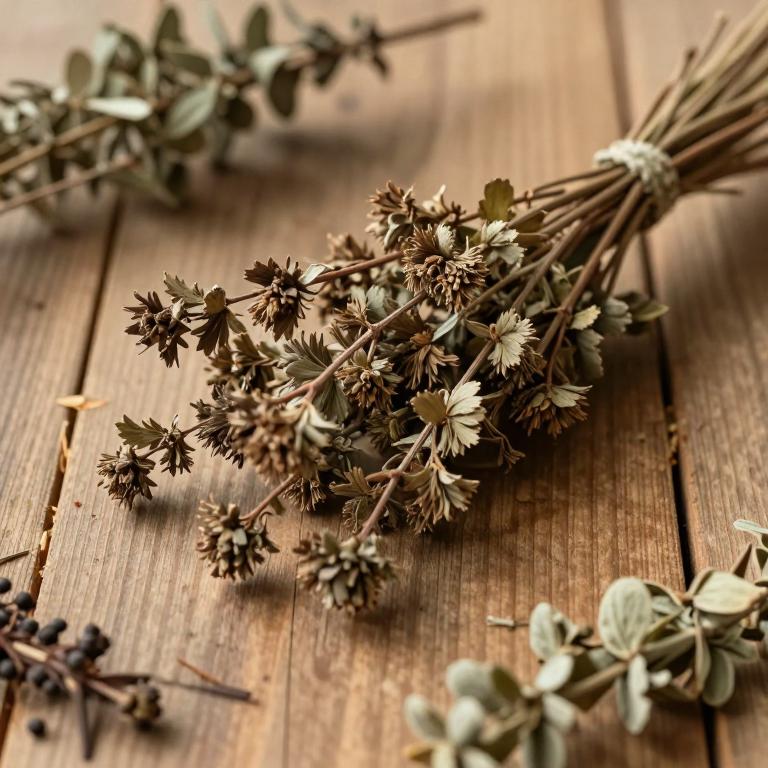
- Synonyms
- Harpullia Reticulata · Harpullia Weinlandii · 2 more
- Common names
- Not available
- Family
- Sapindaceae
- Distribution
- Southern America
- Plant Parts
- Flower · Leaf
Classification
Common Names
Harpullia ramiflora is a distinctive species known by several descriptive names in various regions. It is most frequently referred to by its common name, the Cape York Tulipwood. In certain areas, the plant is also widely recognized as the Claudie Tulipwood. These overlapping names help botanists and locals identify the tree within its specific habitats. Understanding these different monikers is essential for accurately documenting the plant's presence in the wild.
Sources: Catalogue of Life (COL)
Synonyms
Harpullia ramiflora is a species known to encompass several distinct botanical synonyms within its taxonomic classification. Researchers frequently encounter the name Harpullia aeruginosa when documenting this particular plant. It is also identified in various botanical records as Harpullia angustifolia. Furthermore, the species is linked to the names Harpullia reticulata and Harpullia weinlandii. Understanding these overlapping relationships is essential for accurate identification and scientific consistency.
Sources: The World Checklist of Vascular Plants (WCVP)
Taxonomy
Harpullia ramiflora belongs to the vast kingdom Plantae, representing a diverse group of multicellular organisms. Within this kingdom, the species is classified under the class Equisetopsida. It further falls into the order Sapindales, which helps define its structural characteristics. The plant is a member of the Sapindaceae family, a group known for its distinct botanical traits. Ultimately, it is identified by its specific genus, Harpullia.
| Rank | Classification |
|---|---|
| Kingdom | Plantae |
| Phylum | Streptophyta |
| Class | Equisetopsida |
| Subclass | Magnoliidae |
| Order | Sapindales |
| Family | Sapindaceae |
| Genus | Harpullia |
Sources: The World Checklist of Vascular Plants (WCVP)
Distribution
Geographic Regions
Harpullia ramiflora exhibits a widespread natural range that stretches across several diverse ecological regions. This species is prominently found throughout the tropical areas of Asia, specifically within the Malesia region and the Philippines. Its presence extends further into the Papuasia region, where it can be discovered in New Guinea. Moving toward the Australasia zone, the plant also establishes itself within the northern reaches of Australia, particularly in Queensland. Together, these locations highlight the significant geographic footprint this plant maintains across the Indo-Pacific.
Sources: The World Checklist of Vascular Plants (WCVP)
Identification
Morphology
Harpullia ramiflora is characterized by its distinctive growth form as a tree.
Sources: Global Inventory of Floras and Traits (GIFT)
Biological Activities
Harpullia ramiflora demonstrates significant antimicrobial properties, particularly when evaluating its various plant components. Research into the methanol extracts of its leaves, flowers, stem, and root barks reveals a broad spectrum of effectiveness. Among the different fractions tested, the crude extracts consistently displayed higher levels of antibacterial activity. Specifically, the ethyl acetate fraction derived from the flowers exhibited the most potent results. However, it is important to note that the plant showed no measurable activity against the tested moulds.
Compounds
Conditions
Harpullia ramiflora demonstrates significant antibacterial activity through various methanol extracts derived from its leaves, flowers, stem, and root barks. Research indicates that all crude extract fractions exhibit a broad spectrum and high levels of antibacterial potency. Among these, the ethyl acetate fraction of the flowers displays the most intense antibacterial effect. While the plant is effective against bacteria, the study noted that no antimicrobial activity was observed against the tested moulds. These findings highlight the specific potential of the plant's different components in treating bacterial threats.
Preparations
Harpullia ramiflora is prepared as methanol extracts from its various components, including the leaves, flowers, stem, and root barks. These specific methanol extracts are then partitioned into petrol, dichloromethane, and ethyl acetate fractions for testing. The research focuses on evaluating the antimicrobial properties of these prepared extracts against different microorganisms. Among the crude extracts, all fractions showed a broad spectrum and high levels of antibacterial activity. Specifically, the ethyl acetate fraction derived from the flowers demonstrated the most significant effectiveness.
Parts used
Harpullia ramiflora is a plant species that possesses several distinct anatomical components used in scientific study. Researchers have focused their investigations on the methanol extracts derived from its leaves and flowers. Additionally, the plant's stem and root barks serve as vital sources for antimicrobial testing. Studies indicate that all of these specific parts demonstrate a broad spectrum of antibacterial activity when partitioned into various fractions. Notably, the ethyl acetate fraction obtained from the flowers exhibited the highest level of effectiveness among the tested parts.