Hansenia
Hansenia · Accepted scientific name
Scientific literature: Very Sparse (0 studies) · ★☆☆☆☆
Hansenia is a fascinating botanical genus that offers a wealth of unique biological properties. This plant is characterized by its diverse chemical profile, which includes important compounds such as coumarins, flavonoids, and sesquiterpenes. Various parts of the plant are utilized for study or application, specifically the fruit, rhizome, root, and seed. Understanding these components is essential for exploring the plant's potential medicinal or ecological significance. Through its complex makeup, Hansenia remains a subject of great interest in the field of plant science.
- Synonyms
- Notopterygium · Drymoscias · 1 more
- Common names
- Not available
- Family
- Apiaceae
- Distribution
- Not available
- Plant Parts
- Fruit · Rhizome
Classification
Common Names
Hansenia is a botanical genus that is identified by several different nomenclature systems depending on the linguistic context. It is widely recognized by its common name, Hansenia, in many international scientific circles. In specific regional contexts, the plant is also referred to by the common name 北羌活屬. Additionally, it is frequently categorized under the common name 羌活屬 within certain botanical databases. Understanding these various naming conventions is essential for accurately identifying the plant across different studies.
Sources: Catalogue of Life (COL)
Synonyms
Hansenia is a complex genus that has undergone significant taxonomic shifts throughout botanical history. Many researchers have noted that it shares close ties with the genus Drymoscias, which is often considered a synonym. Similarly, the classification of Hansenia includes taxonomic links to Haplosphaera, complicating its definitive placement. It also maintains a synonymous relationship with Notopterygium, further illustrating its intricate evolutionary connections. Understanding these overlapping identities is essential for anyone studying the precise lineage of these plant groups.
Sources: The World Checklist of Vascular Plants (WCVP)
Taxonomy
Hansenia belongs to the diverse kingdom Plantae, showcasing the intricate biological complexity found within the natural world. As a member of the class Equisetopsida, it follows a specific evolutionary lineage that defines its structural characteristics. This plant is further classified under the order Apiales, which connects it to a wide array of related species. Within this order, it finds its place in the family Apiaceae, a group often known for its distinct botanical features. Ultimately, this unique organism is defined by its specific classification within the genus Hansenia.
| Rank | Classification |
|---|---|
| Kingdom | Plantae |
| Phylum | Streptophyta |
| Class | Equisetopsida |
| Subclass | Magnoliidae |
| Order | Apiales |
| Family | Apiaceae |
| Genus | Hansenia |
Sources: The World Checklist of Vascular Plants (WCVP)
Distribution
Geographic Regions
Hansenia is widely distributed across the Asia-Temperate region, with a significant presence throughout various parts of China. Its range extends through the North-Central and South-Central provinces, showcasing remarkable adaptability to different climates. The plant can also be found in the northern stretches of Inner Mongolia, highlighting its ability to thrive in diverse landscapes. Furthermore, its occurrence in the high-altitude areas of Qinghai and Tibet underscores its resilience in specialized environments. Collectively, these varied locations illustrate the broad geographical footprint this species maintains across the continent.
Sources: The World Checklist of Vascular Plants (WCVP)
Identification
Biological Activities
Compounds
Conditions
Preparations
Parts used
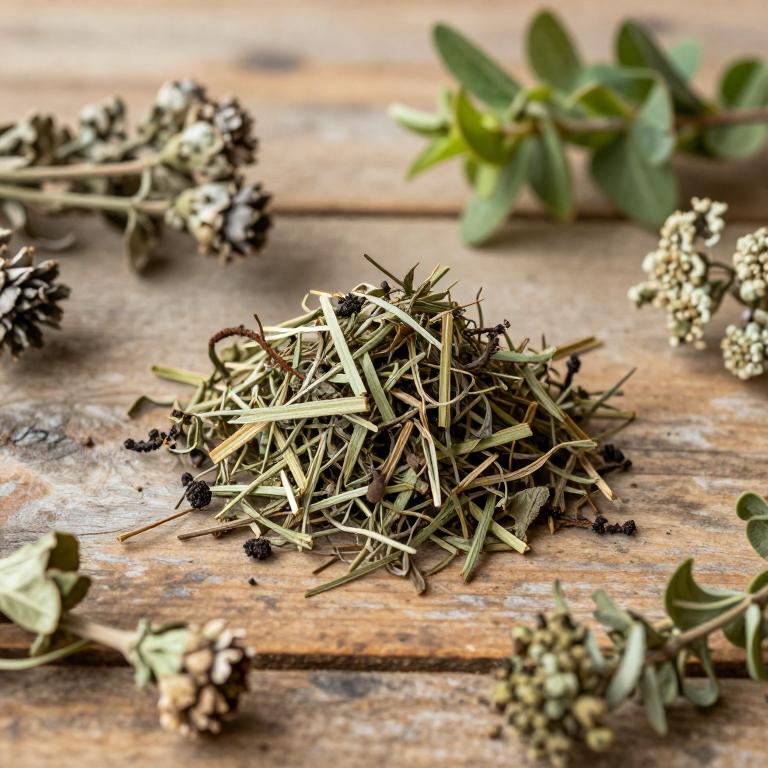
Hansenia, specifically within the genus Notopterygium, possesses several distinct botanical parts that are essential to its medicinal utility. The plant produces fruits that require careful morphological and microscopic analysis to distinguish between closely related species. Additionally, the rhizome and root serve as the primary components used in phytotherapy to treat inflammatory conditions and headaches. These underground structures are also the main sources for deriving hundreds of bioactive chemical compounds. Finally, the identification of the plant's seeds through DNA barcoding ensures the quality and authenticity of its germplasm resources.