Hamelia
Hamelia · Accepted scientific name
Scientific literature: Very Sparse (1 studies) · ★☆☆☆☆
Hamelia is a versatile botanical specimen known for its diverse therapeutic applications in traditional medicine. The flowers of this plant are particularly valued for their ability to provide hypoglycemic activities to help manage blood sugar levels. Beyond metabolic support, it is frequently utilized to address various skin conditions such as boils and erysipelas. Additionally, preparations derived from the plant are used to combat the effects of the common cold and treat bovine mastitis. This unique combination of properties makes the Hamelia flower a significant resource in natural healing practices.
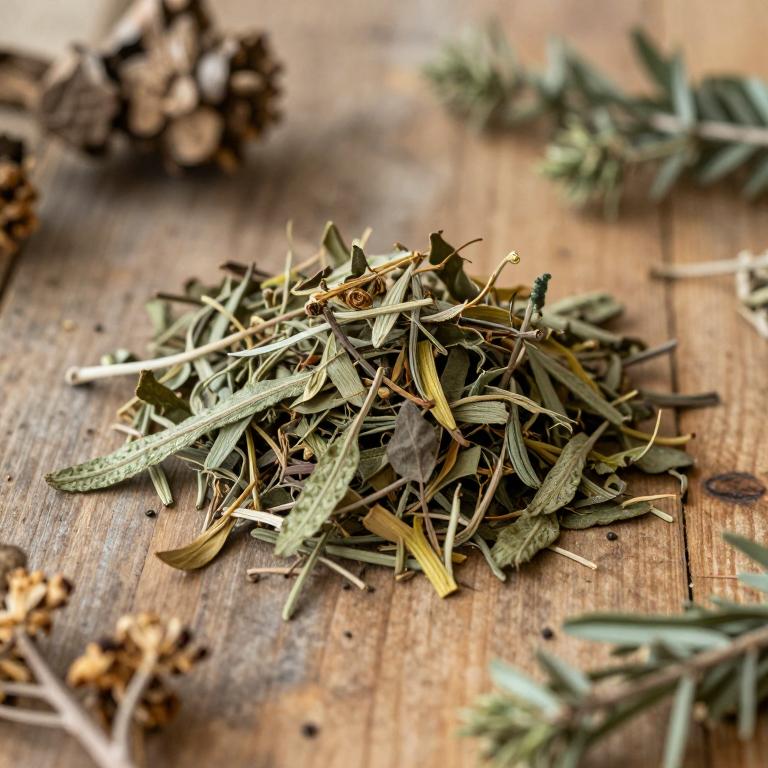
- Synonyms
- Lonicera · Tangaraca
- Common names
- Not available
- Family
- Rubiaceae
- Distribution
- Not available
- Plant Parts
- Flower
Classification
Common Names
Hamelia is a versatile plant that is recognized by a diverse array of local and regional names. Depending on the area, it is frequently referred to as Chichipince or Coralillos. Some botanical enthusiasts also know the species by its phonetic variations, such as Hamelie or hamélia. In certain circles, it may even be called tulipensaat to describe its distinct appearance. This variety of nomenclature highlights the widespread cultural presence of the plant across different landscapes.
Sources: Catalogue of Life (COL)
Synonyms
Hamelia is a botanical genus that is frequently identified by various alternative names in scientific literature. For instance, researchers may encounter the name Lonicera when studying its taxonomic history. Additionally, the plant is sometimes referred to by the synonym Tangaraca depending on the specific classification system used. Understanding these linguistic variations is essential for anyone navigating complex botanical databases. Recognizing these synonyms ensures that botanists can accurately track the plant across different academic resources.
Sources: The World Checklist of Vascular Plants (WCVP)
Taxonomy
Hamelia belongs to the vast kingdom Plantae, representing the diverse life found throughout the natural world. Within this kingdom, the plant is classified under the class Equisetopsida. It further resides in the order Gentianales, a group that links it to many other significant botanical species. As a member of the Rubiaceae family, it shares structural characteristics with many well-known flowering plants. Ultimately, it is defined by its specific genus, Hamelia, which distinguishes it from its botanical relatives.
| Rank | Classification |
|---|---|
| Kingdom | Plantae |
| Phylum | Streptophyta |
| Class | Equisetopsida |
| Subclass | Magnoliidae |
| Order | Gentianales |
| Family | Rubiaceae |
| Genus | Hamelia |
Sources: The World Checklist of Vascular Plants (WCVP)
Distribution
Geographic Regions
Hamelia exhibits a remarkably broad geographic range that spans across several diverse regions. In Asia, the plant is widely distributed through the tropical landscapes of the Indian Subcontinent and the West Himalayas. Its reach extends further through Indo-China and Myanmar, stretching into the Malesia region and Malaya. The genus also establishes a presence in Northern America, specifically within the varied climates of Mexico. Within this country, it can be found ranging from the central highlands to the coastal areas of the Gulf.
Sources: The World Checklist of Vascular Plants (WCVP)
Identification
Biological Activities
Hamelia patens Jacq. has demonstrated significant medicinal potential through its documented hypoglycemic activity. Used traditionally by the Cakchiquels in Guatemala, the aerial parts of this plant are applied to help manage type 2 diabetes. Scientific testing confirmed that its extracts produce a statistically significant effect in reducing blood glucose levels under normal conditions. Specifically, when subjected to a sucrose tolerance test, Hamelia showed a rapid and measurable impact compared to control groups. These findings provide crucial evidence supporting the use of this plant as a natural agent in the treatment of diabetes.
Compounds
Conditions
Hamelia, also known as the Lonicera plant or honeysuckle, is utilized in traditional medicine to treat various ailments including boils and carbuncular swelling. This plant is also effective in curing erysipelas and addressing symptoms related to the common cold. Furthermore, research into plant-based patents indicates that Lonicera is one of the most cited genera used for treating bovine mastitis. These diverse medicinal applications highlight the plant's significant therapeutic range.
Preparations
Parts used
Hamelia exhibits a complex chemical profile that can be analyzed through advanced metabolomics to ensure high-quality herbal medicine standards. Within its botanical structures, the plant's flower serves as a critical site for identifying specific chemical markers. Researchers utilize methods like matrix solid phase dispersion and liquid chromatography-tandem mass spectrometry to isolate these important metabolites. By applying sequential optimization and statistical screening, scientists can pinpoint the exact marker combinations necessary for distinguishing between closely related species. This systematic approach to studying the flower components ultimately facilitates more accurate species classification and quality control.