Hamamelis
Hamamelis · Accepted scientific name
Scientific literature: Very Sparse (0 studies) · ★☆☆☆☆
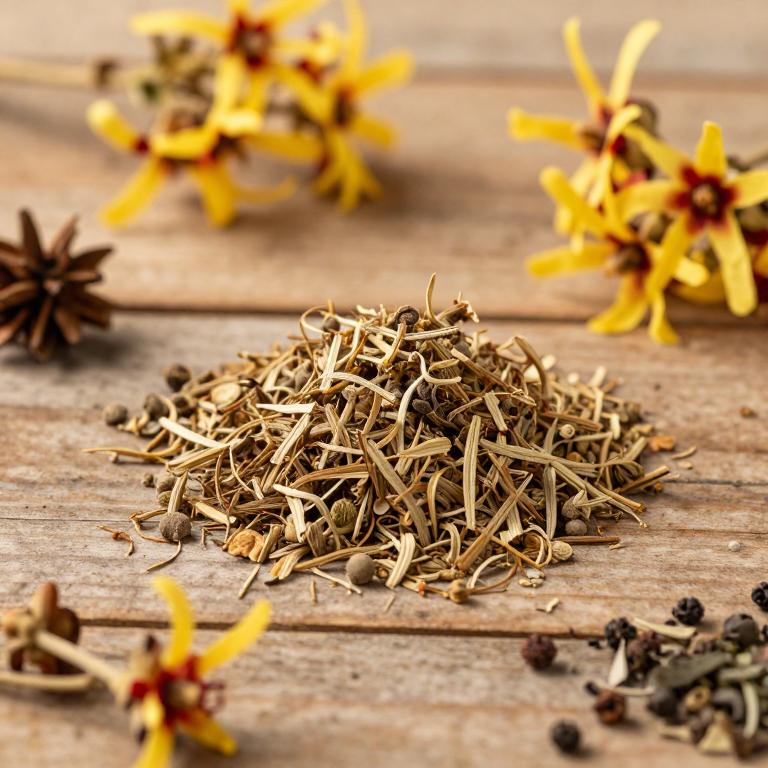
Hamamelis, commonly known as witch hazel, is a versatile botanical celebrated for its soothing and astringent properties. This remarkable plant is utilized in various medicinal forms, including specialized PC-cream and standard cream formulations without PC. Additionally, its aromatic distillate serves as a cornerstone for many topical skin treatments. Whether applied as a rich cream or a gentle liquid, it provides significant relief for irritated skin. Understanding these different preparations allows for the most effective use of this natural remedy.
- Synonyms
- Lomilis
- Common names
- Not available
- Family
- Hamamelidaceae
- Distribution
- Not available
- Plant Parts
- Not available
Classification
Common Names
Hamamelis is a fascinating plant known by a diverse array of regional names across different languages. In some parts of Europe, it is affectionately referred to as Cadı fındığı or Oczar. Moving through different linguistic landscapes, you may also encounter it called Toverhazelaars. Northern traditions offer their own unique labels, such as the names Troldnød and Trollhassel. These various common names highlight the widespread cultural presence of this versatile species.
Sources: Catalogue of Life (COL)
Synonyms
Hamamelis is a genus of flowering plants that is frequently recognized by botanists and gardeners alike. Within scientific literature, you may occasionally encounter the name Lomilis used to describe these same species. This synonym exists due to historical taxonomic shifts that have shaped our modern understanding of the plant. Understanding these naming variations is essential for ensuring accuracy when researching specific varieties. Ultimately, recognizing both terms allows for seamless communication within the botanical community.
Sources: The World Checklist of Vascular Plants (WCVP)
Taxonomy
Hamamelis belongs to the diverse kingdom Plantae, representing a unique branch of the botanical world. Within this vast kingdom, it is classified under the class Equisetopsida. It further falls into the order Saxifragales, which helps define its evolutionary lineage. This plant is a distinguished member of the family Hamamelidaceae. Ultimately, it is defined by its very own namesake, the genus Hamamelis.
| Rank | Classification |
|---|---|
| Kingdom | Plantae |
| Phylum | Streptophyta |
| Class | Equisetopsida |
| Subclass | Magnoliidae |
| Order | Saxifragales |
| Family | Hamamelidaceae |
| Genus | Hamamelis |
Sources: The World Checklist of Vascular Plants (WCVP)
Distribution
Geographic Regions
Hamamelis displays a diverse geographical range that stretches across several key regions of the Northern Hemisphere. In Asia, the genus is widely distributed throughout temperate zones, specifically thriving in China's south-central and southeastern regions. Its presence further extends across Eastern Asia, with established populations found in both Japan and Korea. Beyond the Asian continent, the plant also finds a home in Northern America. Specifically, it can be located within the temperate landscapes of Eastern Canada, including the province of New Brunswick.
Sources: The World Checklist of Vascular Plants (WCVP)
Identification
Biological Activities
Compounds
Conditions
Preparations
Hamamelis is utilized in several different forms to evaluate its anti-inflammatory effects on the skin. The plant is prepared as a distillate, which serves as the active component in these topical studies. This distillate is then incorporated into specific vehicles, such as a cream containing phosphatidylcholine (PC-cream). Additionally, the research compares these results to a standard hamamelis cream that is prepared without PC. These various preparations allow for a detailed comparison of how different vehicles influence the plant's medicinal potency.