Hamamelis vernalis
Hamamelis vernalis · Accepted scientific name
Scientific literature: Very Sparse (1 studies) · ★☆☆☆☆
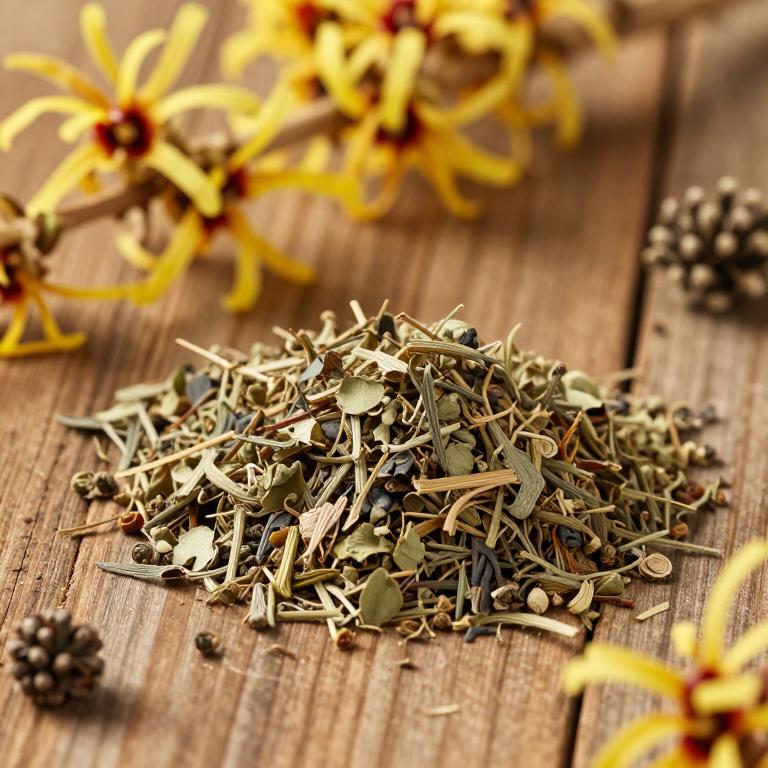
Hamamelis vernalis is a resilient deciduous shrub recognized for its significant pharmacological potential. Recent studies have focused on the biological activities of its bark extract to identify new therapeutic agents. This specific preparation has demonstrated potent antibacterial properties against a diverse range of pathogens. Experimental results indicate its effectiveness in inhibiting the growth of Enterobacter aerogenes, Klebsiella pneumoniae, and Pseudomonas aeruginosa. Furthermore, the extract shows promising results in combating the opportunistic pathogen Staphylococcus aureus.
- Synonyms
- Hamamelis Vernalis Var. Tomentella · Hamamelis Vernalis F. Carnea · 1 more
- Common names
- Not available
- Family
- Hamamelidaceae
- Distribution
- Not available
- Plant Parts
- Not available
Classification
Common Names
Hamamelis vernalis is a distinctive shrub known by several different common names depending on the region and language. In English-speaking areas, it is most frequently referred to as the Ozark witch-hazel or simply Ozark witchhazel. Moving into Central Europe, the plant is recognized by the German name Frühlings-Zaubernuss. It also holds a specific identity in Poland, where it is called Oczar wiosenny. These diverse names highlight the wide geographical reach and cultural significance of this unique species.
Sources: Catalogue of Life (COL)
Synonyms
Hamamelis vernalis is a versatile species that is recognized by several botanical synonyms within taxonomic records. For instance, the plant is frequently identified as Hamamelis vernalis f. carnea in various botanical studies. It is also classified under the synonym Hamamelis vernalis f. tomentella depending on the specific morphological characteristics observed. Furthermore, the name Hamamelis vernalis var. tomentella is used interchangeably to describe certain variations of the species. Understanding these naming relationships is essential for accurate identification and scientific communication.
Sources: The World Checklist of Vascular Plants (WCVP)
Taxonomy
Hamamelis vernalis belongs to the vast kingdom Plantae, representing a unique branch of the natural world. Within this diverse kingdom, the species is classified under the class Equisetopsida. It further falls into the order Saxifragales, showcasing its specific evolutionary placement. This plant is a member of the family Hamamelidaceae, which highlights its distinct botanical characteristics. Ultimately, it is defined by its membership in the genus Hamamelis, anchoring its identity within the biological hierarchy.
| Rank | Classification |
|---|---|
| Kingdom | Plantae |
| Phylum | Streptophyta |
| Class | Equisetopsida |
| Subclass | Magnoliidae |
| Order | Saxifragales |
| Family | Hamamelidaceae |
| Genus | Hamamelis |
Sources: The World Checklist of Vascular Plants (WCVP)
Distribution
Geographic Regions
Hamamelis vernalis is a resilient species with a broad distribution across much of Northern America. In the central regions of the continent, it can be frequently found throughout the North-Central United States, particularly in Missouri and Oklahoma. The plant also extends its reach into the Southeastern United States, establishing itself within the natural landscapes of Arkansas. This wide geographical range demonstrates the species' ability to adapt to diverse environmental conditions. Understanding these specific regional patterns provides valuable insight into the plant's ecological footprint.
Sources: The World Checklist of Vascular Plants (WCVP)
Identification
Morphology
Hamamelis vernalis is a self-supporting shrub that adds structured beauty to any landscape. It typically reaches a maximum height of 4 meters, making it an ideal mid-sized addition to a garden. This resilient growth form ensures it remains a stable and prominent feature in its natural habitat.
Sources: Global Inventory of Floras and Traits (GIFT)
Biological Activities
Hamamelis vernalis possesses significant antibacterial properties that can be utilized in critical medical situations. Research into the bark extracts of several North American woody plant species has confirmed that this specific plant is effective against common pathogens. During testing using the disc diffusion technique, the extract demonstrated a clear ability to combat bacteria such as Staphylococcus aureus and Pseudomonas aeruginosa. These findings suggest that the plant could serve as a vital resource in wilderness settings where modern antibiotic supplies might be exhausted. Ultimately, this study validates the traditional medicinal uses of the species for fighting infections.
Compounds
Conditions
Hamamelis vernalis bark extract demonstrates significant antibacterial activity against several common pathogenic bacteria. Research indicates that this plant species effectively treats Enterobacter aerogenes, which is also referred to as Klebsiella aerogenes. Furthermore, the extract shows medicinal efficacy in treating Klebsiella pneumoniae. The antimicrobial properties of Hamamelis vernalis also extend to the treatment of Pseudomonas aeruginosa. Finally, the plant serves as an effective agent against Staphylococcus aureus.
Preparations
Hamamelis vernalis is prepared as a bark extract to investigate its potential medicinal properties. This specific preparation is utilized to assess the plant's antibacterial effectiveness against various pathogenic bacteria. Researchers specifically tested the antimicrobial activity of this bark extract using the disc diffusion technique. The study aims to confirm if such extracts can serve as functional alternatives to modern antibiotic ointments. Ultimately, the bark extract of Hamamelis vernalis is evaluated for its ability to fight infections in wilderness settings.