Haloxylon griffithii
Haloxylon griffithii · Accepted scientific name
Scientific literature: Very Sparse (0 studies) · ★☆☆☆☆
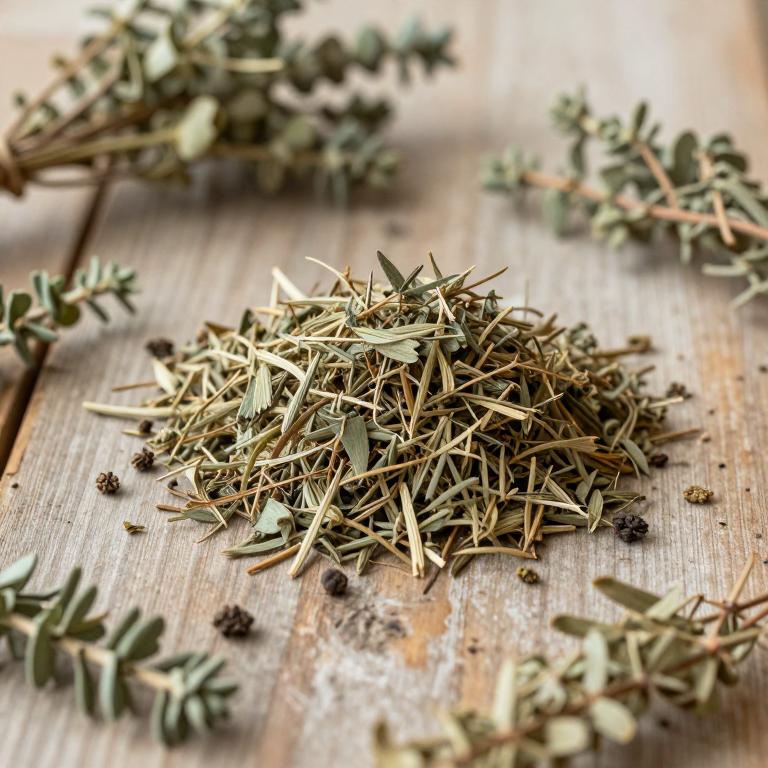
Haloxylon griffithii is a specialized plant species known for its significant medicinal potential in traditional healing practices. Recent pharmacological studies have focused on its potent antidiarrheal properties, highlighting its value in gastrointestinal health. Researchers have evaluated the plant's efficacy through various preparation methods, including aqueous and crude extracts. Additionally, the bioactive compounds have been extensively analyzed using ethanolic and ethyl acetate solvent extractions. Understanding these diverse preparations is essential for unlocking the full therapeutic capacity of this botanical resource.
- Synonyms
- Caroxylon Griffithii · Arthrophytum Griffithii · 1 more
- Common names
- Not available
- Family
- Amaranthaceae
- Distribution
- Not available
- Plant Parts
- Not available
Classification
Synonyms
Haloxylon griffithii is a botanical subject frequently identified by various scientific names depending on the taxonomic classification used. Within botanical literature, it is recognized by several synonyms, including the name Arthrophytum griffithii. Researchers also encounter this species under the designation Caroxylon griffithii in certain historical texts. Furthermore, the plant has been formally categorized as Hammada griffithii in different academic contexts. Understanding these shifting nomenclatural relationships is essential for ensuring accuracy in ecological studies.
Sources: The World Checklist of Vascular Plants (WCVP)
Taxonomy
Haloxylon griffithii is a fascinating botanical specimen that belongs to the vast kingdom Plantae. Within this biological framework, the species is classified under the class Equisetopsida. It further resides in the order Caryophyllales, showcasing its specific evolutionary lineage. As a member of the genus Haloxylon, it occupies a distinct niche in its natural habitat. Finally, its taxonomic journey concludes within the Amaranthaceae family, marking its unique place in the plant world.
| Rank | Classification |
|---|---|
| Kingdom | Plantae |
| Phylum | Streptophyta |
| Class | Equisetopsida |
| Subclass | Magnoliidae |
| Order | Caryophyllales |
| Family | Amaranthaceae |
| Genus | Haloxylon |
Sources: The World Checklist of Vascular Plants (WCVP)
Distribution
Geographic Regions
Haloxylon griffithii is a resilient species with a broad geographical presence across several key regions of Asia. In the temperate zones of Central Asia, it can be found spanning the landscapes of Tajikistan, Turkmenistan, and Uzbekistan. Its range extends further into Western Asia, where it is well-established within the borders of Afghanistan. Additionally, the plant reaches into the tropical climates of the Indian Subcontinent, specifically inhabiting parts of Pakistan. This wide distribution highlights the plant's remarkable ability to adapt to diverse environmental conditions across the continent.
Sources: The World Checklist of Vascular Plants (WCVP)
Identification
Morphology
Haloxylon griffithii is characterized by its distinct shrub growth form. This species typically maintains a modest stature, reaching a maximum height of only 0.6 meters. Depending on its environment, the plant's height can vary, with some specimens measuring as little as 0.15 meters.
Sources: Global Inventory of Floras and Traits (GIFT)
Biological Activities
Compounds
Conditions
Haloxylon griffithii possesses therapeutic effects that are specifically beneficial for disorders associated with the gastrointestinal (GIT) system. Scientific evaluations have demonstrated that the plant exhibits significant antidiarrheal activity. This effectiveness is further evidenced by its ability to treat castor oil-induced diarrhea in experimental models. Additionally, the plant demonstrates important smooth muscle-relaxant activity through its pharmacological action. These combined properties validate the medicinal use of the plant in managing various digestive issues.
Preparations
Haloxylon griffithii is prepared as a crude extract to facilitate the GC-MS discovery of volatile compounds. The plant is also prepared as an ethanolic and aqueous extract, both of which exhibit cholinergic effects in pharmacological tests. Furthermore, Haloxylon griffithii is prepared as an ethyl acetate and n-hexane fraction to investigate non-polar components. These different preparations demonstrate a dual mode of action depending on the solvent used. Specifically, the non-polar n-hexane and ethyl acetate fractions show significant calcium channel blocking activity.