Halothamnus bottae
Halothamnus bottae · Accepted scientific name
Scientific literature: Very Sparse (1 studies) · ★☆☆☆☆
Halothamnus bottae is a unique plant species that has garnered significant interest within the field of pharmacological research. Recent scientific investigations have focused specifically on its potential antidiabetic activities to combat metabolic disorders. To evaluate these biological effects, researchers typically utilize hydroalcoholic extracts to ensure the efficient recovery of bioactive compounds. These specialized preparations allow for a comprehensive analysis of the plant's therapeutic properties and chemical constituents. Consequently, studying this species offers promising insights into the development of new natural treatments for diabetes management.
- Synonyms
- Salsola Bottae · Caroxylon Bottae · 1 more
- Common names
- Not available
- Family
- Amaranthaceae
- Distribution
- Not available
- Plant Parts
- Not available
Classification
Common Names
Halothamnus bottae is a distinct plant species known locally by the common name قضة بوتية. This vegetation plays a specific role within its native ecological landscape, contributing to the biodiversity of its habitat. Understanding its classification helps researchers better document the unique flora found in these regions. By studying its growth patterns, botanists can gain deeper insights into the environmental conditions it requires to thrive. Ultimately, recognizing the relationship between its scientific and local names ensures accurate communication within the scientific community.
Sources: Catalogue of Life (COL)
Synonyms
Halothamnus bottae is a botanical species that is frequently identified through various taxonomic synonyms in scientific literature. It is widely recognized under the alternative name Caroxylon bottae, a designation used by many researchers. Furthermore, the plant is categorized under the synonym Salsola bottae, reflecting historical shifts in botanical classification. Within its specific subspecies, the name Halothamnus bottae subsp. niger also serves as a valid synonym for certain variations. Understanding these overlapping nomenclatures is essential for maintaining accuracy in plant studies and biodiversity records.
Sources: The World Checklist of Vascular Plants (WCVP)
Taxonomy
Halothamnus bottae is a fascinating specimen that belongs to the vast kingdom Plantae. Within this botanical realm, it is specifically classified under the class Equisetopsida. This plant is a member of the order Caryophyllales, showcasing its unique evolutionary lineage. Further narrowing its identity, it falls under the family Amaranthaceae. Ultimately, it is defined by its placement within the specialized genus Halothamnus.
| Rank | Classification |
|---|---|
| Kingdom | Plantae |
| Phylum | Streptophyta |
| Class | Equisetopsida |
| Subclass | Magnoliidae |
| Order | Caryophyllales |
| Family | Amaranthaceae |
| Genus | Halothamnus |
Sources: The World Checklist of Vascular Plants (WCVP)
Distribution
Geographic Regions
Halothamnus bottae is a resilient species primarily found within the Asia-Temperate region. Its geographic footprint is most notably concentrated across the arid landscapes of the Arabian Peninsula. Within this territory, the plant thrives in various specific locales, including the Gulf States and the rugged terrain of Oman. It also maintains a significant presence throughout Saudi Arabia, adapting well to the local environmental conditions. Furthermore, its distribution extends southward into the diverse ecosystems of Yemen.
Sources: The World Checklist of Vascular Plants (WCVP)
Identification
Morphology
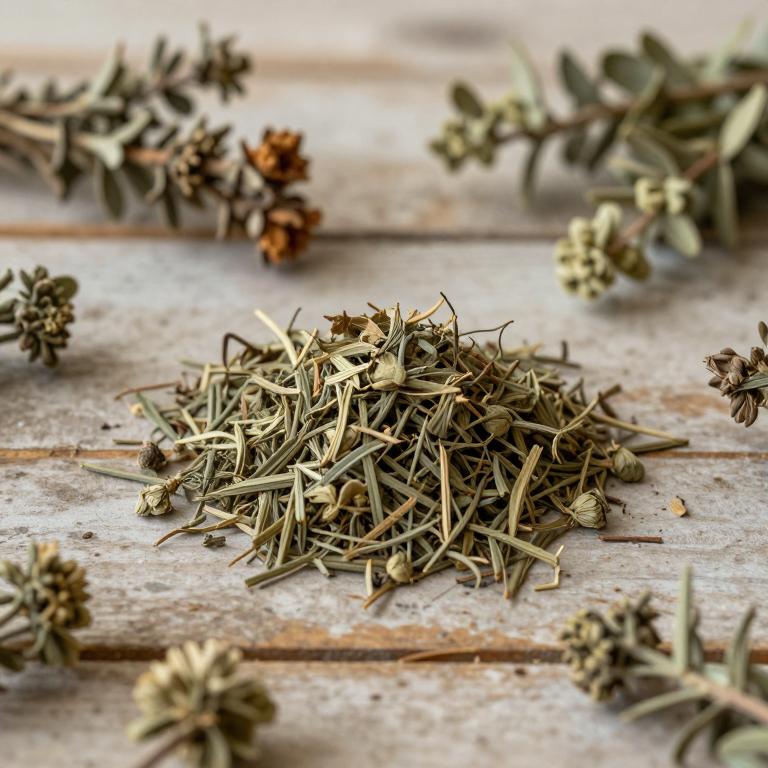
Halothamnus bottae is characterized by its distinctive shrub-like growth form. This compact plant typically reaches a maximum height of 0.5 meters. On average, the species maintains a modest stature with a minimum height of 0.3 meters.
Sources: Global Inventory of Floras and Traits (GIFT)
Biological Activities
Halothamnus bottae is one of the nine Amaranthaceae plants investigated for its potential medicinal properties in the Qassim area of Saudi Arabia. This research focused on evaluating the antidiabetic activity of various hydroalcoholic extracts through in vitro testing of enzyme inhibition. By assessing the effects on $\alpha$-glucosidase and $\alpha$-amylase, researchers aimed to identify wild plants that could serve as sources for new glucose-regulating drugs. While the study highlighted the significant potency of Agathophora alopecuroides, Halothamnus bottae was included as part of this promising group of species. Such investigations into unexploited wild plants represent a critical strategy for discovering novel therapeutic moieties for diabetes management.
Compounds
Conditions
Preparations
Halothamnus bottae is prepared as hydroalcoholic extracts for scientific investigation. This specific plant is one of nine Amaranthaceae species from the Qassim area studied for its medicinal properties. The preparation process involves using hydroalcoholic solvents to create the extracts used in testing. These extracts are evaluated for their ability to inhibit enzymes like α-glucosidase and α-amylase. Consequently, the hydroalcoholic form of Halothamnus bottae serves as a key component in assessing antidiabetic potential.