Halenia
Halenia · Accepted scientific name
Scientific literature: Very Sparse (1 studies) · ★☆☆☆☆
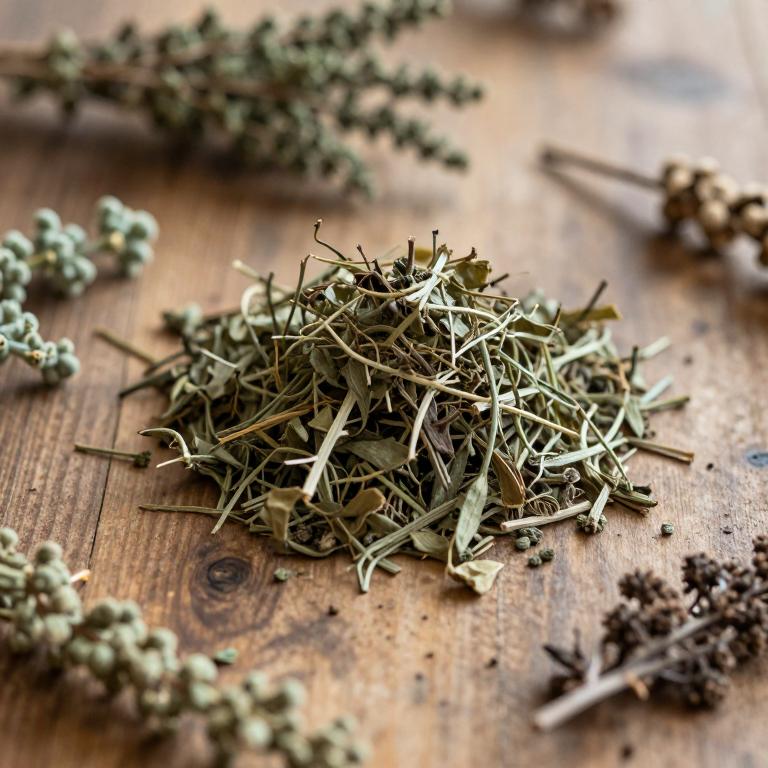
Halenia is a botanical genus recognized for its distinct chemical profile and therapeutic potential. This plant is characterized by the presence of specific bioactive compounds, including iridoids and triterpenes. Due to these constituents, it is frequently utilized for its cholagogue activities to support bile production. In traditional medicinal practices, it is often processed through the preparation known as Dida. Understanding these properties provides essential insight into its role within herbal pharmacology.
- Synonyms
- Exadenus
- Common names
- Not available
- Family
- Gentianaceae
- Distribution
- Asia-Tropical
- Plant Parts
- Not available
Classification
Common Names
Halenia is a plant species known by several different names across various languages and regions. It is most frequently recognized by its common English name, the spurred gentian, or its plural form, common spurred gentians. In different linguistic contexts, it is also referred to as halénia or by its Cyrillic designation, Галения. Furthermore, the genus is identified in Japanese botanical contexts as ハナイカリ属. These diverse naming conventions reflect the wide geographical distribution and cultural recognition of this unique plant.
Sources: Catalogue of Life (COL)
Synonyms
Halenia is a genus of orchids that has undergone significant taxonomic revisions over the years. Researchers have identified that this group is closely linked to the genus Exadenus. In many botanical records, Exadenus is officially recognized as a synonym of Halenia. This relationship highlights the evolving nature of plant classification as scientists refine their understanding of evolutionary lineages. Understanding these connections is essential for anyone studying the complex history of orchid nomenclature.
Sources: The World Checklist of Vascular Plants (WCVP)
Taxonomy
Halenia belongs to the diverse kingdom Plantae, representing a specialized branch of the botanical world. Within this vast kingdom, the plant is classified under the class Equisetopsida. It further resides in the order Gentianales, which helps define its evolutionary lineage. This specific order leads to its placement within the Gentianaceae family. Ultimately, these biological connections culminate in its identification under the genus Halenia.
| Rank | Classification |
|---|---|
| Kingdom | Plantae |
| Phylum | Streptophyta |
| Class | Equisetopsida |
| Subclass | Magnoliidae |
| Order | Gentianales |
| Family | Gentianaceae |
| Genus | Halenia |
Sources: The World Checklist of Vascular Plants (WCVP)
Distribution
Geographic Regions
Halenia exhibits a broad distribution throughout the Asia-Temperate region, spanning various diverse landscapes. Its presence is firmly established in Central Asia, specifically within the territories of Kazakhstan and Kyrgyzstan. The genus also extends significantly into China, covering a wide range of geographical zones. These include the North-Central regions as well as the South-Central areas of the country. Furthermore, its reach continues into the Southeast portion of China, completing its extensive regional footprint.
Sources: The World Checklist of Vascular Plants (WCVP)
Identification
Biological Activities
Halenia is one of the key genera identified within the Gentianaceae family that contributes to the medicinal efficacy of Dida in Tibetan medicine. This plant species contains specific bioactive compounds, such as iridoids, xanthones, and triterpenes, which are essential to its therapeutic profile. Notably, Halenia exhibits significant cholagogue activity, helping to stimulate bile production and support liver function. Because of these shared pharmacological properties, it is classified alongside other genera like Swertia and Gentianopsis as a core component of Dida. Understanding these chemical relationships is vital for ensuring the quality and medicinal reasonableness of traditional herbal preparations.
Compounds
Halenia is one of the key genera within the Gentianaceae family that contributes to the traditional Tibetan medicine known as Dida. Scientific analysis reveals that this plant genus is characterized by a specific chemical profile essential to its medicinal properties. Specifically, Halenia contains iridoids, which are vital components for its therapeutic efficacy. Additionally, Halenia contains triterpenes that work alongside other compounds to provide significant health benefits. Together, these chemical constituents contribute to the liver protection and cholagogue functions associated with the species.
Conditions
Halenia is a key component of the Tibetan medicine Dida, contributing to its specific therapeutic profile. This plant genus possesses medicinal compounds like iridoids, xanthones, and triterpenes that provide essential liver protection. Through these chemical properties, Halenia exerts significant cholagogue functions within the body. Additionally, the plant is utilized clinically to treat various hepatic and gall diseases. Beyond digestive support, Halenia is also commonly employed in the treatment of febrile diseases.
Preparations
Halenia is one of the multiple plant species used to prepare the Tibetan medicine known as Dida. Because species from the genus Halenia contain beneficial compounds like iridoids and xanthones, they are classified as Dida due to their liver-protecting properties. The medicinal composition of Dida prepared from Halenia differs significantly from other genera like Swertia or Gentianopsis. Identifying the specific chemical fingerprints of Halenia is essential for controlling the quality and consistency of Dida. Therefore, understanding the role of Halenia is vital for the accurate clinical application and safety of this traditional remedy.