Haberlea rhodopensis
Haberlea rhodopensis · Accepted scientific name
Scientific literature: Very Sparse (22 studies) · ★☆☆☆☆
Haberlea rhodopensis, scientifically known as Haberlea rhodopensis, is a remarkable resurrection plant native to the Balkan Peninsula. Capable of surviving extreme desiccation, it enters dormancy during drought and revives upon rehydration. Renowned for its unique physiological resilience, this species offers significant potential for studies in stress tolerance and biotechnology.
- Family
- Gesneriaceae
- Native range
- Europe
- Parts used
- Leaf
- Common names
- Not available
- Scientific synonyms
- Haberlea Rhodopensis Var. Ferdinandi-Coburgii · Haberlea Ferdinandi-Coburgii
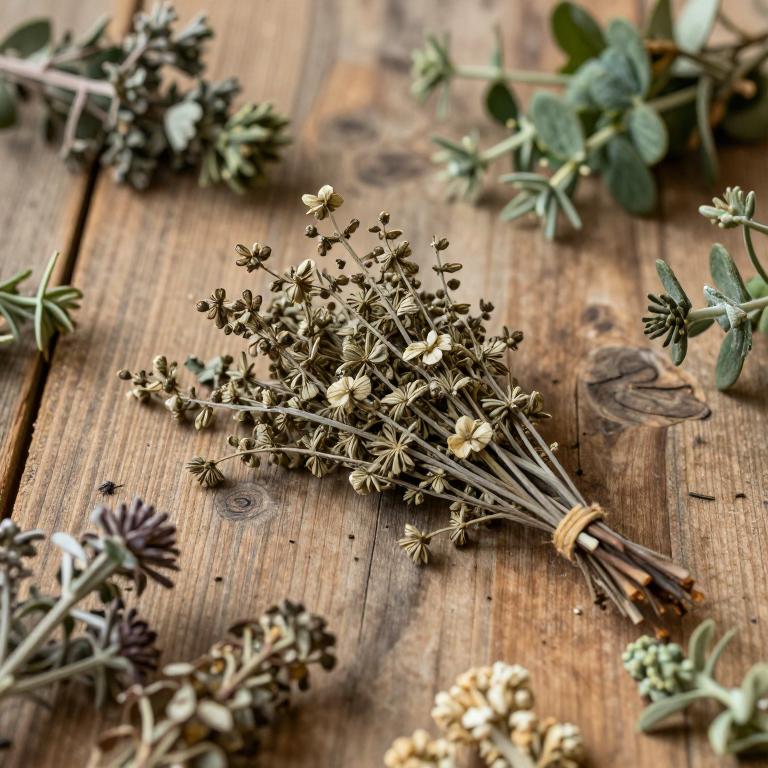
Names and Synonyms
Scientific Names
Accepted name
Haberlea rhodopensisSynonyms
- Haberlea rhodopensis var. ferdinandi-coburgii
- Haberlea ferdinandi-coburgii
Sources: Wikidata, Catalogue of Life
Taxonomical Classification
This plant belongs to the kingdom Plantae and the phylum Streptophyta. Within the class Equisetopsida and subclass Magnoliidae, it is classified under the order Lamiales and the family Gesneriaceae. Ultimately, its taxonomic identity is defined by the genus Haberlea.
| Rank | Classification |
|---|---|
| Kingdom | Plantae |
| Phylum | Streptophyta |
| Class | Equisetopsida |
| Subclass | Magnoliidae |
| Order | Lamiales |
| Family | Gesneriaceae |
| Genus | Haberlea |
Sources: The World Checklist of Vascular Plants (WCVP)
Distribution
This plant is a rare medicinal species primarily found within the specific regions of Southeastern Europe. Its natural habitat is quite restricted, occurring mainly in the mountainous terrains of Bulgaria. Additionally, the species can be located within the diverse landscapes of Greece. Because of this limited range, it is considered a localized element of the Balkan flora. Understanding this specific geographical distribution is essential for the conservation of the species.
| Region | Area |
|---|---|
| Southeastern Europe | Bulgaria |
| Southeastern Europe | Greece |
Sources: The World Checklist of Vascular Plants (WCVP)
Botanical Identification
Life history
The life history of Haberlea rhodopensis is characterized by its specialized adaptation to rocky, shaded environments, where it functions primarily as a hemicryptophyte. This classification indicates that its perennating buds are located at or just below the soil surface, protected by leaf litter or substrate during unfavorable conditions. Within the spectrum of plant growth forms, it is specifically identified as a hemicryptophyte, distinguishing its survival strategy from other forms such as phanerophytes, chamaephytes, cryptophytes, or therophytes. This life history allows the species to persist in its niche by maintaining dormant buds close to the ground, enabling it to endure seasonal fluctuations and environmental stressors inherent to its mountainous habitat.
- Life form :
- hemicryptophyte
Morphology
The morphology of Haberlea rhodopensis is characterized by a perennial, cushion-forming growth habit, manifesting as a low-growing, rosette-forming herb. The plant features thick, fleshy, and somewhat leathery leaves that are arranged in a dense basal rosette, often exhibiting a dark green to brownish-green coloration with prominent, reticulate venation. The leaf margins are typically entire or slightly crenate, and the texture is adapted to withstand extreme desiccation, a trait characteristic of its resurrection capabilities. The reproductive structures consist of small, inconspicuous flowers that emerge on short peduncles, typically displaying pale colors such as white or light pink. Regarding its ecological habitat and moisture requirements, the species is strictly terrestrial, occupying rocky crevices and limestone outcrops in shaded, humid environments, and does not exhibit aquatic or semiaquatic traits.
- Aquatic :
- terrestrial
Sources: Global Inventory of Floras and Traits (GIFT)
Plant Parts
Haberlea rhodopensis has 1 reported plant parts identified across 2 scientific publications and several other databases that are studied for medicinal purposes. The most consistently reported plant part include leaf.
| Plant part | Supporting sources | Consensus |
|---|---|---|
| Leaf | 2 supporting sources | ★☆☆☆☆ |
Leaf
- Journal of ethnopharmacology
- Antioxidants (Basel, Switzerland)
Chemicals
Haberlea rhodopensis has 6 reported phytochemicals identified across 2 scientific publications and several other databases. The most consistently reported chemicals include Flavonoids, Carotenoids, Condensed Tannins, LYCOPENE, Phenols.
| Chemical | Supporting sources | Consensus |
|---|---|---|
| Flavonoids | 2 supporting sources | ★☆☆☆☆ |
| Carotenoids | 1 supporting sources | ★☆☆☆☆ |
| Condensed Tannins | 1 supporting sources | ★☆☆☆☆ |
| LYCOPENE | 1 supporting sources | ★☆☆☆☆ |
| Phenols | 1 supporting sources | ★☆☆☆☆ |
| Sugars | 1 supporting sources | ★☆☆☆☆ |
Flavonoids
- Journal of ethnopharmacology
- Antioxidants (Basel, Switzerland)
Carotenoids
- Journal of ethnopharmacology
Condensed Tannins
- Antioxidants (Basel, Switzerland)
LYCOPENE
- Antioxidants (Basel, Switzerland)
Phenols
- Journal of ethnopharmacology
Sugars
- Antioxidants (Basel, Switzerland)
Activities
Haberlea rhodopensis has 7 reported activities identified across 2 scientific publications and several other databases. The most consistently reported activities include Antioxidant, Radioprotective, Anticancer, Antimicrobial, Antimutagenic.
| Activity | Supporting sources | Consensus |
|---|---|---|
| Antioxidant | 2 supporting sources | ★☆☆☆☆ |
| Radioprotective | 2 supporting sources | ★☆☆☆☆ |
| Anticancer | 1 supporting sources | ★☆☆☆☆ |
| Antimicrobial | 1 supporting sources | ★☆☆☆☆ |
| Antimutagenic | 1 supporting sources | ★☆☆☆☆ |
| Antiproliferative | 1 supporting sources | ★☆☆☆☆ |
| Tonic | 1 supporting sources | ★☆☆☆☆ |
Antioxidant
- Natural product research
- Antioxidants (Basel, Switzerland)
Radioprotective
- Natural product research
- Journal of ethnopharmacology
Anticancer
- Natural product research
Antimicrobial
- Natural product research
Antimutagenic
- Natural product research
Antiproliferative
- Antioxidants (Basel, Switzerland)
Tonic
- Journal of ethnopharmacology
Conditions
Haberlea rhodopensis has 4 reported investigations on conditions identified across 2 scientific publications and several other databases. The most consistently reported conditions include antioxidant, cattle diseases, hepatocellular carcinoma, wound healing.
| Condition | Supporting sources | Consensus |
|---|---|---|
| Antioxidant | 1 supporting sources | ★☆☆☆☆ |
| Cattle diseases | 1 supporting sources | ★☆☆☆☆ |
| Hepatocellular carcinoma | 1 supporting sources | ★☆☆☆☆ |
| Wound healing | 1 supporting sources | ★☆☆☆☆ |
Antioxidant
- Natural product research
Cattle diseases
- Journal of ethnopharmacology
Hepatocellular carcinoma
- Antioxidants (Basel, Switzerland)
Wound healing
- Journal of ethnopharmacology
Preparations
Haberlea rhodopensis has 3 reported preparations identified across 2 scientific publications and several other databases. The most consistently reported preparations include Methanol extracts, extracts, tea.
| Preparation | Supporting sources | Consensus |
|---|---|---|
| Methanol extracts | 1 supporting sources | ★☆☆☆☆ |
| Extracts | 1 supporting sources | ★☆☆☆☆ |
| Tea | 1 supporting sources | ★☆☆☆☆ |
Methanol extracts
- Biogerontology
Extracts
- Journal of ethnopharmacology
Tea
- Journal of ethnopharmacology