Gypsophila struthium
Gypsophila struthium · Accepted scientific name
Scientific literature: Very Sparse (19 studies) · ★☆☆☆☆
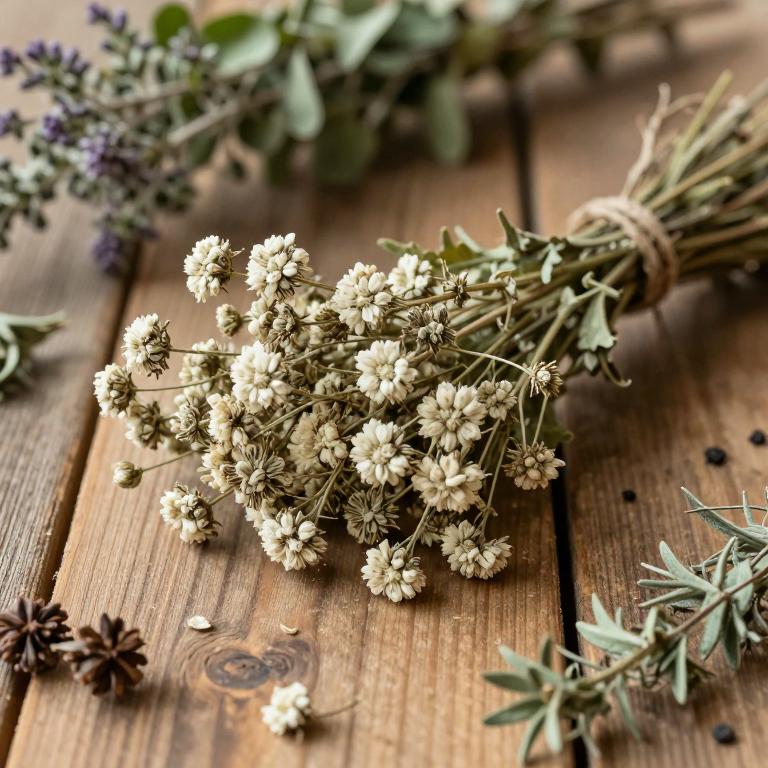
, scientifically known as Gypsophila struthium, is a delicate perennial herb valued for its ornamental beauty and historical medicinal uses. Often called "Baby's Breath," this plant contains saponins, which have traditionally been utilized in various cultures for their soothing properties and potential roles in treating respiratory and skin ailments.
- Family
- Not available
- Native range
- Europe
- Parts used
- Not available
- Common names
- Not available
- Scientific synonyms
- Not available
Names and Synonyms
Scientific Names
Accepted name
Gypsophila struthiumDistribution
This plant, known as Gypsophila struthium, exhibits a specific distribution across certain Mediterranean regions. It can be found growing naturally within Southwestern Europe, particularly in the country of Spain. Additionally, its range extends across the sea into Northern Africa. Within this African territory, the plant is specifically documented in Morocco. Therefore, its presence is primarily concentrated in these two distinct geographical areas.
| Region | Area |
|---|---|
| Southwestern Europe | Spain |
| Northern Africa | Morocco |
Sources: The World Checklist of Vascular Plants (WCVP)
Botanical Identification
Morphology
The morphology of Gypsophila struthium is characterized by a growth form categorized as a shrub or subshrub, exhibiting a predominantly woody structure. As a terrestrial species, it does not inhabit aquatic or semiaquatic environments, nor does it function as an epiphyte. The plant is entirely independent in its nutritional requirements, lacking any parasitic tendencies. In terms of its structural habit, it is a self-supporting organism rather than a climber, meaning it does not utilize lianas or vines to ascend, but instead maintains its own upright stature through its woody development.
- Aquatic :
- terrestrial
- Climber :
- self-supporting
- Epiphyte :
- terrestrial
- Growth form :
- shrub
- Parasite :
- independent
- Woodiness :
- woody
Physiology
The physiology of Gypsophila struthiosum is characterized by a metabolic framework governed by the C3 photosynthetic pathway, which dictates its carbon fixation processes and water-use efficiency. As a C3 plant, it utilizes the enzyme RuBisCO to fix atmospheric carbon dioxide directly into a three-carbon compound during the Calvin cycle, a process that is most efficient under moderate temperatures and well-watered conditions. This metabolic strategy influences its transpiration rates and stomatal conductance, as the plant must balance the intake of CO2 for photosynthesis with the inevitable loss of water vapor. Furthermore, its physiological adaptations are tuned to its ecological niche, where the reliance on C3 metabolism necessitates specific regulatory mechanisms to manage photorespiration, particularly when environmental stressors such as high light intensity or temperature fluctuations occur.
- Photosynthetic pathway :
- C3
Sources: Global Inventory of Floras and Traits (GIFT)
Chemicals
Gypsophila struthium has 1 reported phytochemicals identified across 0 scientific publications and several other databases. The most consistently reported chemicals include betulinic acid.
| Chemical | Supporting sources | Consensus |
|---|---|---|
| betulinic acid | 1 supporting sources | ★☆☆☆☆ |
betulinic acid
- Dr. Duke
Activities
Gypsophila struthium has 18 reported activities identified across 0 scientific publications and several other databases. The most consistently reported activities include Anthelmintic, AntiHIV, Antibacterial, Anticancer, Anticarcinomic.
| Activity | Supporting sources | Consensus |
|---|---|---|
| Anthelmintic | 1 supporting sources | ★☆☆☆☆ |
| AntiHIV | 1 supporting sources | ★☆☆☆☆ |
| Antibacterial | 1 supporting sources | ★☆☆☆☆ |
| Anticancer | 1 supporting sources | ★☆☆☆☆ |
| Anticarcinomic | 1 supporting sources | ★☆☆☆☆ |
| Antiedemic | 1 supporting sources | ★☆☆☆☆ |
| Antiinflammatory | 1 supporting sources | ★☆☆☆☆ |
| Antileukemic | 1 supporting sources | ★☆☆☆☆ |
| Antimalarial | 1 supporting sources | ★☆☆☆☆ |
| Antimelanomic | 1 supporting sources | ★☆☆☆☆ |
Anthelmintic
- Dr. Duke
AntiHIV
- Dr. Duke
Antibacterial
- Dr. Duke
Anticancer
- Dr. Duke
Anticarcinomic
- Dr. Duke
Antiedemic
- Dr. Duke
Antiinflammatory
- Dr. Duke
Antileukemic
- Dr. Duke
Antimalarial
- Dr. Duke
Antimelanomic
- Dr. Duke