Gypsophila bermejoi
Gypsophila bermejoi · Accepted scientific name
Scientific literature: Very Sparse (0 studies) · ★☆☆☆☆
Gypsophila bermejoi is a rare and distinctive species belonging to the Caryophyllaceae family. This unique plant is primarily recognized for its specialized root system, which allows it to thrive in specific ecological niches. Found within restricted geographic ranges, it offers valuable insights into the biodiversity of its native habitat. Understanding its biological characteristics is essential for the ongoing conservation of such specialized flora. Researchers continue to study its unique morphology to better protect this delicate member of the Gypsophila genus.
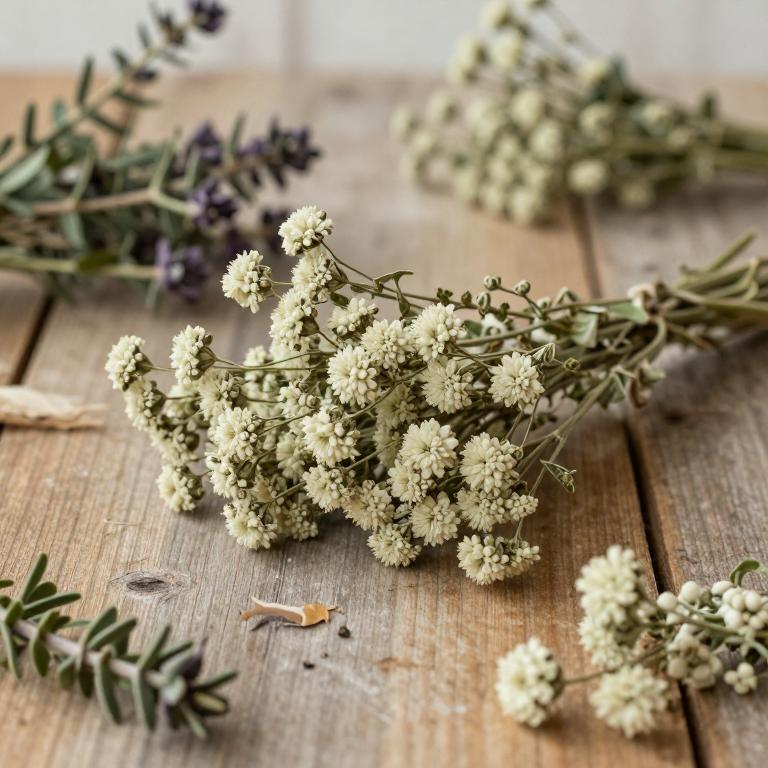
- Synonyms
- Not available
- Common names
- Not available
- Family
- Caryophyllaceae
- Distribution
- Southern America
- Plant Parts
- Root
Classification
Taxonomy
Gypsophila bermejoi is a distinctive member of the kingdom Plantae. Within this vast biological realm, the species is classified under the class Equisetopsida. It belongs to the diverse order Caryophyllales, which connects it to many other significant flowering plants. Furthermore, this plant is a part of the widely recognized family Caryophyllaceae. Ultimately, its identity is defined by its placement within the specific genus Gypsophila.
| Rank | Classification |
|---|---|
| Kingdom | Plantae |
| Phylum | Streptophyta |
| Class | Equisetopsida |
| Subclass | Magnoliidae |
| Order | Caryophyllales |
| Family | Caryophyllaceae |
| Genus | Gypsophila |
Sources: The World Checklist of Vascular Plants (WCVP)
Distribution
Geographic Regions
Gypsophila bermejoi is a unique plant species with a highly specific geographical range. Its distribution is primarily concentrated within the continent of Europe. More specifically, much of its presence can be found throughout Southwestern Europe. Within this region, the plant is most notably located in the landscapes of Spain. This localized habitat makes understanding its environmental needs essential for its conservation.
Sources: The World Checklist of Vascular Plants (WCVP)
Identification
Biological Activities
Compounds
Conditions
Preparations
Parts used
Gypsophila bermejoi serves as a significant source of unique chemical compounds found within its root system. Recent scientific analysis has successfully isolated two new sulfated saponins from the butanol-soluble extracts of these roots. These specific molecules were identified through a sophisticated combination of spectral methods and chemical degradation techniques. Such saponins are particularly noteworthy because members of the Gypsophila genus possess the industrial capacity to act as natural detergents. The study highlights how the plant's root structure holds valuable triterpenoidal aglycons that are essential to its chemical profile.