Gynostemma
Gynostemma · Accepted scientific name
Scientific literature: Very Sparse (0 studies) · ★☆☆☆☆
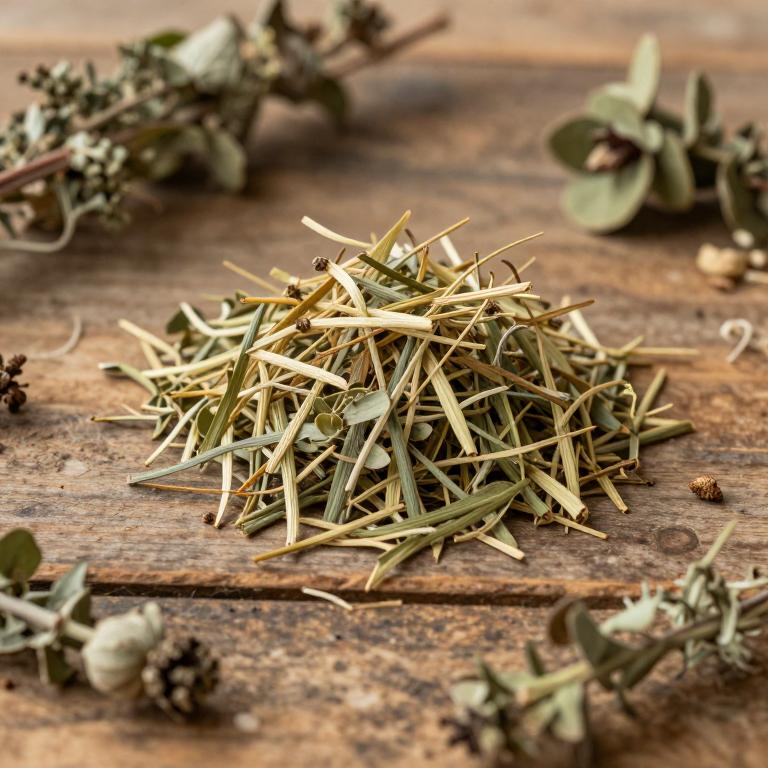
Gynostemma is a versatile medicinal herb renowned for its rich concentration of bioactive compounds, specifically gypenosides and triterpenoids. These natural chemicals are widely studied for their potential to manage metabolic challenges such as obesity, hypertension, and hepatosteatosis. To harness these therapeutic properties, the plant is commonly processed into dried tea samples. Many people prefer consuming the herb as a soothing Jiaogulan herbal tea for daily wellness support. This potent botanical continues to gain recognition as a powerful tool in traditional and modern herbal medicine.
- Synonyms
- Trirostellum · Pestalozzia · 1 more
- Common names
- Not available
- Family
- Cucurbitaceae
- Distribution
- Not available
- Plant Parts
- Not available
Classification
Common Names
Gynostemma is a versatile plant known by several different names across various cultures and languages. It is frequently referred to by its simple common name, gynostema, in many English-speaking contexts. In certain regions, it is also recognized by the local name rypälekurkut. The plant's identity is further reflected in its Cyrillic designation, Гиностемма, and its Chinese classifications, 絞股藍屬 and 绞股蓝属. Understanding these diverse naming conventions helps identify this important species throughout the world.
Sources: Catalogue of Life (COL)
Synonyms
Gynostemma is a botanical genus that has undergone significant taxonomic revisions over time. Due to these shifts in classification, several names are recognized as synonyms for this plant group. For instance, the name Enkylia has been formally linked to the genus in various scientific records. Additionally, the classifications of Pestalozzia and Trirostellum are also considered synonyms within this context. Understanding these various nomenclatures is essential for researchers tracking the evolutionary history of the species.
Sources: The World Checklist of Vascular Plants (WCVP)
Taxonomy
Gynostemma is a remarkable organism that belongs to the vast kingdom Plantae. Within this biological realm, it is specifically classified under the class Equisetopsida. This plant is further organized into the order Cucurbitales, reflecting its evolutionary lineage. It holds a central place within its own namesake genus, Gynostemma. Finally, its botanical identity is completed by its membership in the Cucurbitaceae family.
| Rank | Classification |
|---|---|
| Kingdom | Plantae |
| Phylum | Streptophyta |
| Class | Equisetopsida |
| Subclass | Magnoliidae |
| Order | Cucurbitales |
| Family | Cucurbitaceae |
| Genus | Gynostemma |
Sources: The World Checklist of Vascular Plants (WCVP)
Distribution
Geographic Regions
Gynostemma is widely distributed across various temperate regions of Asia, demonstrating a broad ecological range. In China, the plant can be found spanning from the North-Central and South-Central provinces to the Southeast regions. Its presence also extends to the tropical island of Hainan, highlighting its adaptability to different climates. Beyond mainland China, the species is well-established within the temperate landscapes of Eastern Asia. Specifically, its reach includes Japan, confirming its significant footprint across the Asian continent.
Sources: The World Checklist of Vascular Plants (WCVP)
Identification
Biological Activities
Compounds
Conditions
Gynostemma species are widely utilized in traditional medicine to treat diabetes mellitus. These plants also play a significant role in the management of hypertension. Furthermore, the genus is known for its ability to treat obesity. Research also indicates that Gynostemma can be used for the treatment of hepatosteatosis. These diverse therapeutic applications highlight the important pharmacological potential of the genus.
Preparations
Gynostemma species, particularly G. pentaphyllum and G. longipes, are commonly prepared as Jiaogulan herbal tea to utilize their various pharmacological benefits. This traditional medicinal herb is processed into dried tea samples for consumption and therapeutic use. Scientific analysis of these tea products helps identify specific chemical markers and chemotypes inherent to the plant. Researchers also utilize molecular markers to authenticate the species within these dried tea samples to prevent adulteration. Consequently, understanding these preparation methods is essential for maintaining the quality and identity of Gynostemma-based products.