Gymnosphaera gigantea
Gymnosphaera gigantea · Accepted scientific name
Scientific literature: Very Sparse (1 studies) · ★☆☆☆☆
, scientifically known as Gymnosphaera gigantea, is a remarkable medicinal plant prized for its diverse therapeutic properties. Often referred to in traditional medicine, this species is valued for its potential bioactive compounds. It plays a significant role in herbal remedies, offering unique botanical benefits for holistic health and wellness.
- Family
- Cyatheaceae
- Native range
- Asia-Tropical
- Parts used
- Not available
- Common names
- Not available
- Scientific synonyms
- Dichorexia Gigantea · Cyathea Gigantea · 5 more
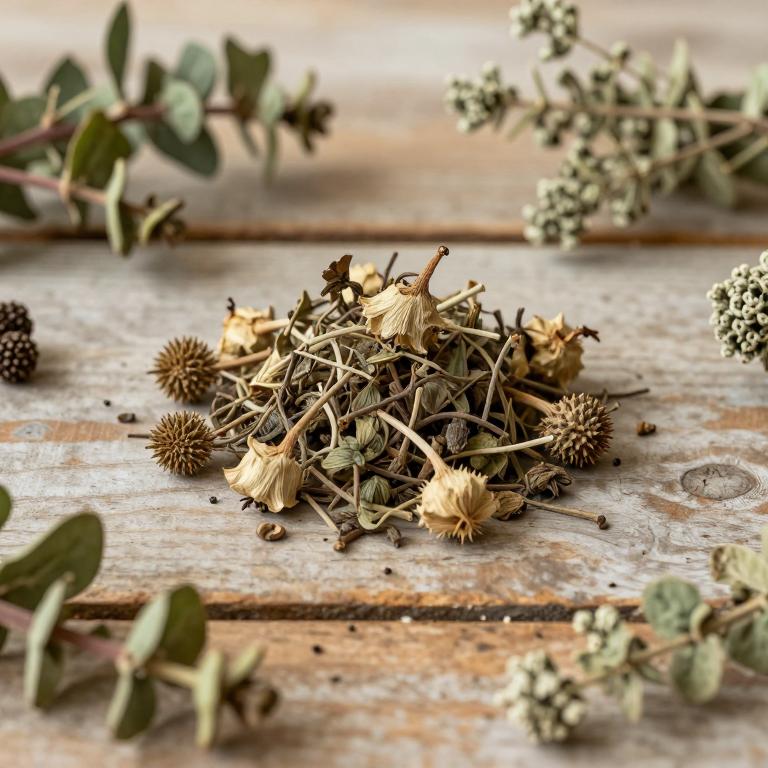
Names and Synonyms
Scientific Names
Accepted name
Gymnosphaera giganteaSynonyms
- Dichorexia gigantea
- Cyathea gigantea
- Cyathea balakrishnanii
- Alsophila helferiana
- Alsophila gigantea
- Alsophila polycampta
- Alsophila umbrosa
Sources: Wikidata
Taxonomical Classification
This plant, known scientifically as Gymnosphaera gigantea, belongs to the kingdom Plantae and the phylum Streptophyta. It is further classified under the class Equisetopsida and the subclass Polypodiinae within the order Cyatheales. Finally, it is situated in the family Cyatheaceae under the genus Gymnosphaera.
| Rank | Classification |
|---|---|
| Kingdom | Plantae |
| Phylum | Streptophyta |
| Class | Equisetopsida |
| Subclass | Polypodiinae |
| Order | Cyatheales |
| Family | Cyatheaceae |
| Genus | Gymnosphaera |
Sources: The World Checklist of Vascular Plants (WCVP)
Distribution
This plant is widely distributed across various regions of the Indian Subcontinent. It can be found growing within the specific territories of India and Bangladesh. Its presence extends into the lush landscapes of Assam. Furthermore, the species is documented throughout the mountainous terrain of Nepal. Finally, it is also commonly located across the East Himalaya region.
| Region | Area |
|---|---|
| Indian Subcontinent | Assam |
| Indian Subcontinent | Bangladesh |
| Indian Subcontinent | East Himalaya |
| Indian Subcontinent | India |
| Indian Subcontinent | Nepal |
| Indian Subcontinent | Sri Lanka |
| Indo-China | Andaman Is. |
| Indo-China | Cambodia |
| Indo-China | Laos |
| Indo-China | Myanmar |
Sources: The World Checklist of Vascular Plants (WCVP)
Botanical Identification
Morphology
The morphology of Gymnosphaera gigantea is characterized by a robust physical structure adapted to its specific ecological niche, exhibiting a versatile growth habit that can be classified across a spectrum of moisture levels including aquatic, semiaquatic, and terrestrial environments. The plant typically features thick, fleshy tissues designed to manage hydration, whether submerged or growing in damp soil. Its vegetative body often presents a substantial mass, reflecting its "gigantea" designation, with structural elements that allow for stability in both saturated substrates and more stable land settings. The leaf or photosynthetic structures are often adapted to these varying moisture regimes, showing morphological plasticity to optimize gas exchange and light absorption depending on whether the plant is functioning in an aquatic or terrestrial state.
- Aquatic :
- terrestrial
Sources: Global Inventory of Floras and Traits (GIFT)
Activities
Gymnosphaera gigantea has 1 reported activities identified across 0 scientific publications and several other databases. The most consistently reported activities include Cytotoxic.
| Activity | Supporting sources | Consensus |
|---|---|---|
| Cytotoxic | 1 supporting sources | ★☆☆☆☆ |
Cytotoxic
- Journal of acupuncture and meridian studies
Preparations
Gymnosphaera gigantea has 1 reported preparations identified across 0 scientific publications and several other databases. The most consistently reported preparations include active extract.
| Preparation | Supporting sources | Consensus |
|---|---|---|
| Active extract | 1 supporting sources | ★☆☆☆☆ |
Active extract
- BMC complementary and alternative medicine