Climbing Hawthorn Bittertea
Gymnanthemum capense · Accepted scientific name
Scientific literature: Very Sparse (2 studies) · ★☆☆☆☆
Climbing Hawthorn Bittertea, scientifically known as Gymnanthemum capense, is a resilient climbing shrub indigenous to Southern Africa. Renowned for its intense bitterness, this medicinal plant is traditionally utilized in various cultures to treat digestive ailments, manage blood sugar levels, and support overall metabolic health through its potent bioactive compounds.
- Family
- Asteraceae
- Native range
- Africa
- Parts used
- Not available
- Common names
- Climbing Hawthorn Bittertea
- Scientific synonyms
- Vernonia Mespilifolia · Eupatorium Capense · 2 more
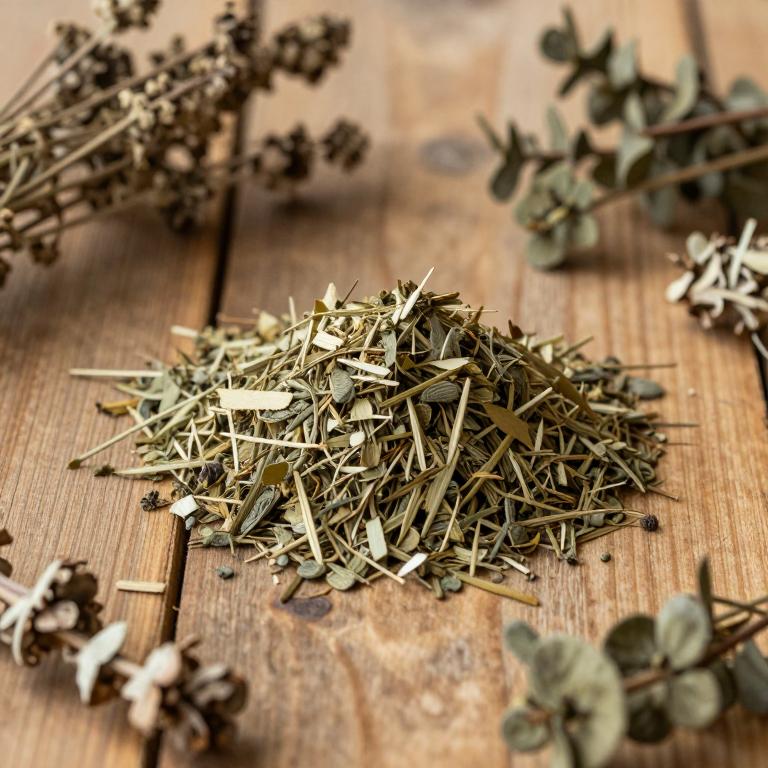
Names and Synonyms
Common Names
- Climbing Hawthorn Bittertea
Scientific Names
Accepted name
Gymnanthemum capenseSynonyms
- Vernonia mespilifolia
- Eupatorium capense
- Cacalia mespilifolia
- Gymnanthemum mespilifolium
Sources: Wikidata, Catalogue of Life
Taxonomical Classification
This plant belongs to the kingdom Plantae and is classified within the phylum Streptophyta and class Equisetopsida. As a member of the subclass Magnoliidae and order Asterales, it falls under the family Asteraceae. Specifically, its taxonomic identity is defined by the genus Gymnanthemum.
| Rank | Classification |
|---|---|
| Kingdom | Plantae |
| Phylum | Streptophyta |
| Class | Equisetopsida |
| Subclass | Magnoliidae |
| Order | Asterales |
| Family | Asteraceae |
| Genus | Gymnanthemum |
Sources: The World Checklist of Vascular Plants (WCVP)
Distribution
This plant is primarily distributed throughout various regions of Southern Africa. Specifically, its presence is documented across the Cape Provinces. It can also be found extending into the KwaZulu-Natal region. Furthermore, the species is known to grow within the borders of Eswatini. Finally, its geographical range includes parts of the Northern Provinces.
| Region | Area |
|---|---|
| Southern Africa | Cape Provinces |
| Southern Africa | KwaZulu-Natal |
| Southern Africa | Eswatini |
| Southern Africa | Northern Provinces |
Sources: The World Checklist of Vascular Plants (WCVP)
Activities
Gymnanthemum capense has 2 reported activities identified across 0 scientific publications and several other databases. The most consistently reported activities include Antimicrobial, Antioxidant.
| Activity | Supporting sources | Consensus |
|---|---|---|
| Antimicrobial | 1 supporting sources | ★☆☆☆☆ |
| Antioxidant | 1 supporting sources | ★☆☆☆☆ |
Antimicrobial
- Journal of evidence-based integrative medicine
Antioxidant
- Journal of evidence-based integrative medicine