Guatteria guianensis
Guatteria guianensis · Accepted scientific name
Scientific literature: Very Sparse (1 studies) · ★☆☆☆☆
, scientifically known as Guatteria guianensis, is a medicinal shrub native to the tropical rainforests of South America. Renowned for its potent bioactive compounds, particularly methyl salicylate, this plant is traditionally utilized for its anti-inflammatory and analgesic properties, offering significant potential in modern pharmacological research and natural healing.
- Family
- Not available
- Native range
- Southern America
- Parts used
- Root
- Common names
- Not available
- Scientific synonyms
- Not available
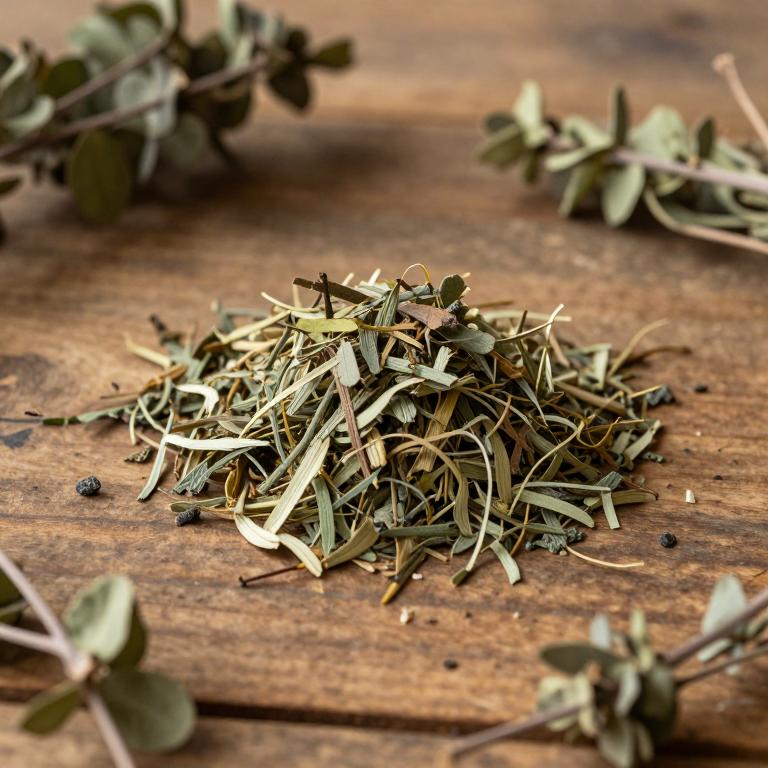
Names and Synonyms
Scientific Names
Accepted name
Guatteria guianensisDistribution
This plant exhibits a diverse geographical presence across several regions of the South American continent. In Northern South America, its range extends into the territory of French Guiana. Moving toward the western portion of the continent, it is commonly found within the borders of Colombia, Ecuador, and Peru. Additionally, the species can be identified within the West-Central region of Brazil. Together, these locations highlight a broad distribution spanning from the northern tropics to the western Andean areas.
| Region | Area |
|---|---|
| Northern South America | French Guiana |
| Western South America | Colombia |
| Western South America | Ecuador |
| Western South America | Peru |
| Brazil | Brazil West-Central |
| Brazil | Brazil North |
Sources: The World Checklist of Vascular Plants (WCVP)
Botanical Identification
Ecology
The ecology of Guaitteria guianenis is characterized by its specific niche within the tropical rainforest ecosystem, where it is primarily found inhabiting Floresta de Terra Firme. This plant occupies a distinct altitudinal belt, ranging from an elevation of 200 m AMSL to a maximum of 500 m AMSL. By thriving in these non-flooded, stable forest environments, the species relies on the specific soil compositions and microclimates provided by the terra firme habitats within its established elevational range.
- Elevational range max:
- 500 m AMSL
- Elevational range min:
- 200 m AMSL
- Habitat :
- Floresta de Terra Firme
Life history
The life history of Guatteria guianensis is characterized by its status as a perennial species, allowing it to persist in its environment over many successive growing seasons. As a long-lived plant, it maintains a continuous presence within its ecological niche, undergoing repeated cycles of vegetative growth and reproductive phases rather than completing its life cycle in a single season. This perennial nature enables the plant to establish a stable structural presence, contributing to the long-term stability of its habitat through sustained biological activity.
- Lifecycle :
- perennial
Morphology
The morphology of Guatteria guianensis is characterized by its robust growth form, primarily functioning as a woody tree. This species is a self-supporting plant, neither acting as a climber nor a liana, and it maintains an independent existence as a non-parasitic organism. In terms of its physical stature, it is a substantial specimen with a mean plant height of approximately 12 m, though it can reach a maximum height of up to 25 m. It is strictly a terrestrial plant, lacking any epiphytic or aquatic tendencies, and thrives in its habitat through its sturdy, woody structure.
- Aquatic :
- terrestrial
- Climber :
- self-supporting
- Epiphyte :
- terrestrial
- Growth form :
- tree
- Parasite :
- independent
- Plant height max:
- 25 m
- Plant height mean:
- 12 m
- Woodiness :
- woody
Physiology
The physiology of Guatteria guianensis is characterized by a metabolic framework consistent with many members of the Annonaceae family, primarily utilizing the C3 photosynthetic pathway for carbon fixation. This pathway involves the direct fixation of atmospheric carbon dioxide through the enzyme RuBisCO within the mesophyll cells, a process that is highly efficient in the shaded, humid understory environments where this species typically thrives. Furthermore, the plant does not function as a nitrogen fixer; it lacks the specialized symbiotic relationships with diazotrophic bacteria, such as rhizobia, required to convert atmospheric nitrogen into bioavailable forms, relying instead on the uptake of nitrates and ammonium from the soil substrate to support its nutritional requirements and growth.
- Nitrogen fixer :
- no
- Photosynthetic pathway :
- C3
Sources: Global Inventory of Floras and Traits (GIFT)
Plant Parts
Guatteria guianensis has 1 reported plant parts identified across 1 scientific publications and several other databases that are studied for medicinal purposes. The most consistently reported plant part include root.
| Plant part | Supporting sources | Consensus |
|---|---|---|
| Root | 1 supporting sources | ★☆☆☆☆ |
Root
- Journal of natural products
Preparations
Guatteria guianensis has 2 reported preparations identified across 1 scientific publications and several other databases. The most consistently reported preparations include CHCl(3) fraction of an ethanol extract of the root of Guatteria multivenia, ethanol extract of the root of Guatteria multivenia.
| Preparation | Supporting sources | Consensus |
|---|---|---|
| Chcl(3) fraction of an ethanol extract of the root of guatteria multivenia | 1 supporting sources | ★☆☆☆☆ |
| Ethanol extract of the root of guatteria multivenia | 1 supporting sources | ★☆☆☆☆ |
Chcl(3) fraction of an ethanol extract of the root of guatteria multivenia
- Journal of natural products
Ethanol extract of the root of guatteria multivenia
- Journal of natural products