Grona heterophylla
Grona heterophylla · Accepted scientific name
Scientific literature: Very Sparse (0 studies) · ★☆☆☆☆
Grona heterophylla is a botanical species that has garnered increasing interest within the field of ethnopharmacology. Researchers frequently utilize aqueous extracts of this plant to investigate its diverse biological properties. These water-based preparations serve as a primary method for isolating bioactive compounds found within the plant tissues. By studying these extracts, scientists aim to uncover the therapeutic potential hidden within its chemical profile. Understanding the efficacy of such preparations is essential for advancing the medicinal application of this species.
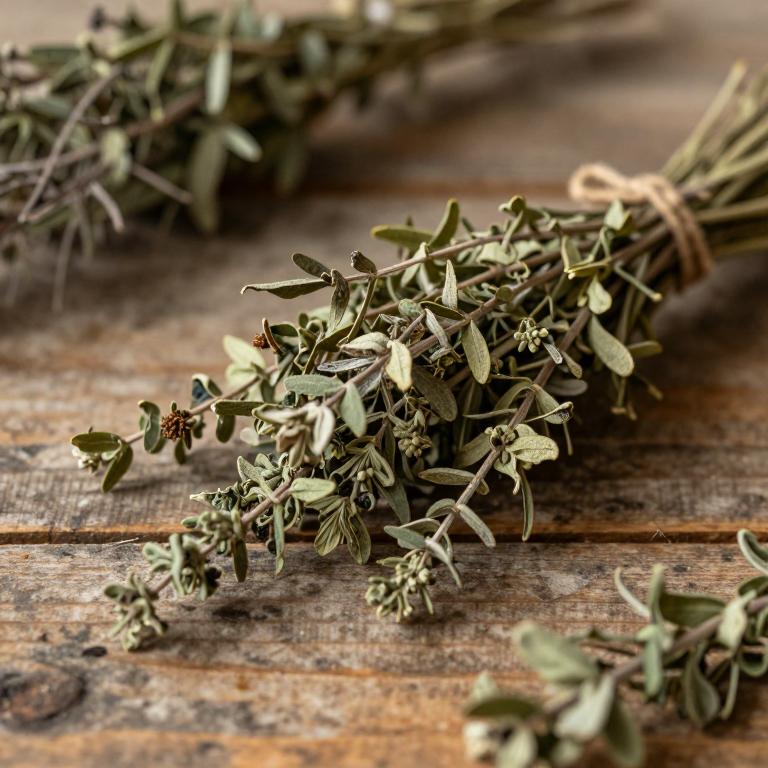
- Synonyms
- Meibomia Heterophylla · Desmodium Heterophyllum · 1 more
- Common names
- Not available
- Family
- Fabaceae
- Distribution
- Not available
- Plant Parts
- Not available
Classification
Common Names
Grona heterophylla is a fascinating plant known by a diverse array of regional names. It is frequently referred to by its common English moniker, the Variable-leaf Tick Trefoil. In Spanish-speaking areas, the species is widely recognized as Spanish-clover. Some communities use the shortened term hetero, while others identify it as kawariba-makie-hagi. These various names highlight the plant's widespread presence across different linguistic landscapes.
Sources: Catalogue of Life (COL)
Synonyms
Grona heterophylla is a botanical species that has been documented under several different scientific names throughout history. Because of shifting taxonomic classifications, it is frequently identified by its synonym Desmodium heterophyllum. Researchers may also encounter this same plant listed as Hedysarum heterophyllum in older botanical texts. Furthermore, the name Meibomia heterophylla serves as another valid synonym for this specific organism. Understanding these various nomenclatural relationships is essential for accurate identification in botanical studies.
Sources: The World Checklist of Vascular Plants (WCVP)
Taxonomy
Grona heterophylla is a distinctive botanical species that belongs to the kingdom Plantae. Within this vast kingdom, the plant is classified under the class Equisetopsida. It specifically resides within the order Fabales, showcasing its evolutionary connections to other legumes. Furthermore, it is a member of the family Fabaceae, which helps define its structural characteristics. Ultimately, this species is identified by its unique placement within the genus Grona.
| Rank | Classification |
|---|---|
| Kingdom | Plantae |
| Phylum | Streptophyta |
| Class | Equisetopsida |
| Subclass | Magnoliidae |
| Order | Fabales |
| Family | Fabaceae |
| Genus | Grona |
Sources: The World Checklist of Vascular Plants (WCVP)
Distribution
Geographic Regions
Grona heterophylla exhibits a diverse geographical distribution that spans across multiple continents and oceanic regions. In the African region, this species can be found throughout the Western Indian Ocean and Madagascar. Its presence extends significantly into the Asia-Temperate zone, where it is widely distributed across various parts of China. Specifically, populations thrive in South-Central China, Southeast China, and on the island of Hainan. Furthermore, the plant's range reaches into Eastern Asia, including the Nansei-shoto islands.
Sources: The World Checklist of Vascular Plants (WCVP)
Identification
Morphology
Grona heterophylla is a small, self-supporting herb that grows close to the ground. This delicate plant maintains a compact stature, reaching a maximum height of only 0.15 meters. Its modest growth form allows it to thrive within its specific ecological niche.
Sources: Global Inventory of Floras and Traits (GIFT)
Biological Activities
Compounds
Conditions
Desmodium heterophyllum treats carrageenan-induced paw edema by demonstrating significant anti-inflammatory activity in vivo. When administered at doses ranging from 50 to 250 mg/kg, the aqueous extract effectively reduces paw swelling in BALB/c mice. This plant extract works to lower the production of nitric oxide and suppresses key pro-inflammatory cytokines such as IL-1β and IL-6. The therapeutic impact is notably enhanced when the extract is used in combination with photobiomodulation therapy. Ultimately, the extract's ability to manage edema is comparable to the effects seen with dexamethasone.
Preparations
Grona heterophylla, specifically referred to as Desmodium heterophyllum in the research, is prepared as an aqueous extract for therapeutic investigation. This aqueous extract, denoted as AEDh, underwent chemical characterization via high-resolution mass spectrometry to understand its composition. Researchers utilized this specific preparation to evaluate its anti-inflammatory and immunomodulatory potential in both in vitro and in vivo models. The extract was administered at varying doses, ranging from 50 to 250 mg/kg, to assess its ability to reduce nitric oxide production and paw edema. Ultimately, the aqueous preparation demonstrated significant efficacy, particularly when used in combination with photobiomodulation therapy.