Grindelia argentina
Grindelia argentina · Accepted scientific name
Scientific literature: Very Sparse (1 studies) · ★☆☆☆☆
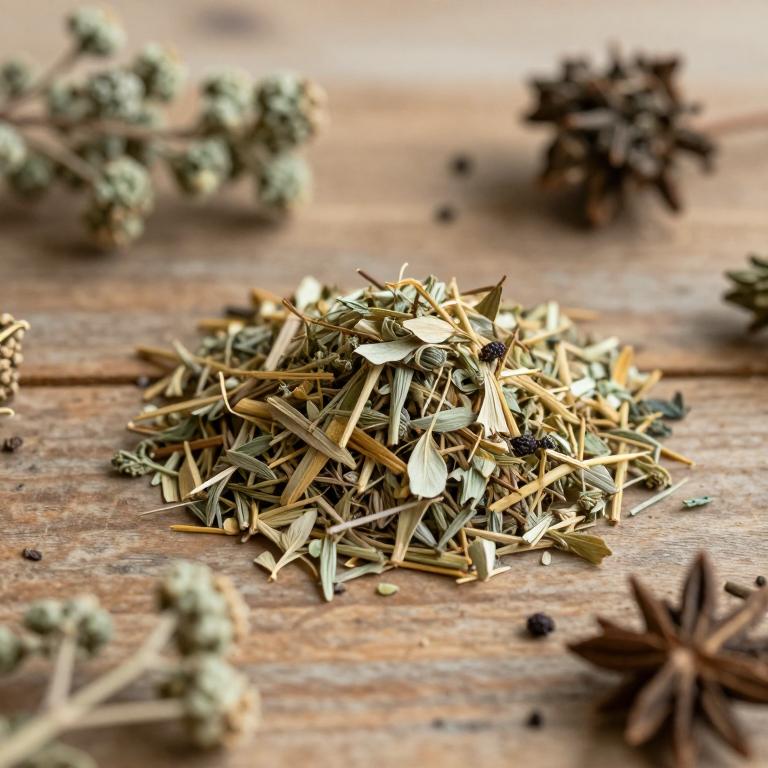
, scientifically known as Grindelia argentina, is a resilient perennial herb native to South American grasslands. Often referred to as "gordolaga," this plant is highly valued in traditional medicine for its potent antimicrobial and anti-inflammatory properties, frequently utilized to treat respiratory ailments, skin irritations, and various digestive issues.
- Family
- Asteraceae
- Native range
- Southern America
- Parts used
- Not available
- Common names
- Not available
- Scientific synonyms
- Not available
Names and Synonyms
Scientific Names
Accepted name
Grindelia argentinaSources: Wikidata
Taxonomical Classification
This plant, known scientifically as Grindelia argentina, belongs to the kingdom Plantae and the phylum Streptophyta. Within the class Equisetopsida and subclass Magnoliidae, it is classified under the order Asterales and the family Asteraceae. Finally, its taxonomic position is completed within the genus Grindelia.
| Rank | Classification |
|---|---|
| Kingdom | Plantae |
| Phylum | Streptophyta |
| Class | Equisetopsida |
| Subclass | Magnoliidae |
| Order | Asterales |
| Family | Asteraceae |
| Genus | Grindelia |
Sources: The World Checklist of Vascular Plants (WCVP)
Distribution
This plant is primarily located within the southern reaches of South America. Its specific range is concentrated in the northeastern region of Argentina. Within this territory, it thrives in certain ecological niches unique to the area. Therefore, its distribution is quite localized rather than being spread across the entire continent. Finding this species requires searching specifically within these northeastern Argentine landscapes.
| Region | Area |
|---|---|
| Southern South America | Argentina Northeast |
Sources: The World Checklist of Vascular Plants (WCVP)
Chemicals
Grindelia argentina has 1 reported phytochemicals identified across 0 scientific publications and several other databases. The most consistently reported chemicals include Hispidulin.
| Chemical | Supporting sources | Consensus |
|---|---|---|
| Hispidulin | 1 supporting sources | ★☆☆☆☆ |
Hispidulin
- Journal of traditional and complementary medicine