Greyia flanaganii
Greyia flanaganii · Accepted scientific name
Scientific literature: Very Sparse (0 studies) · ★☆☆☆☆
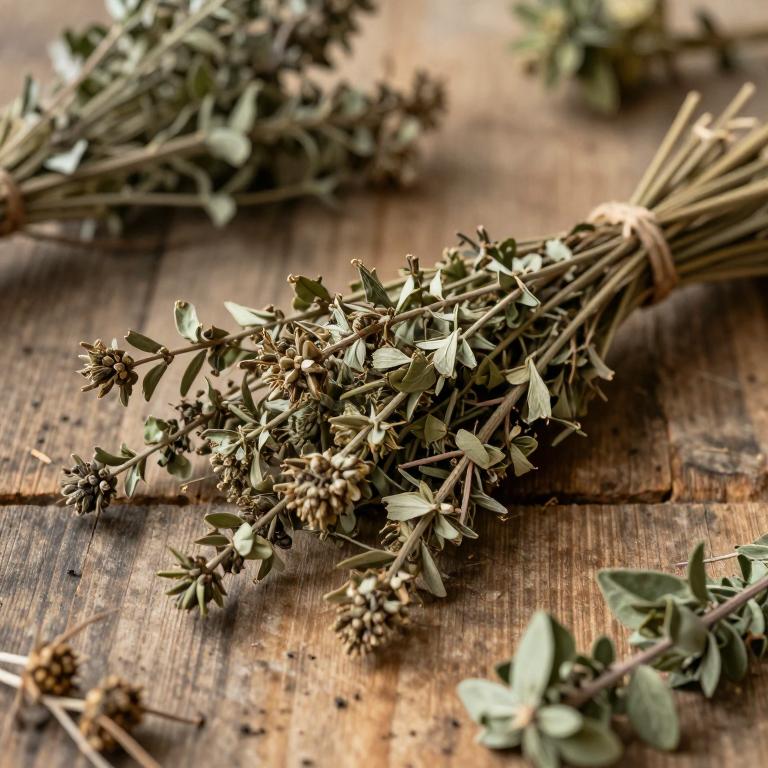
Greyia flanaganii, commonly known as the silver tree, is a distinctive evergreen species native to the mountainous regions of South Africa. This striking plant is widely recognized for its shimmering, glaucous foliage that catches the light with a metallic sheen. Beyond its ornamental value, the plant has long been studied for its potential biological properties in traditional medicine. Recent scientific investigations have focused on the chemical profiles found within various crude extracts derived from its components. These preparations offer a promising pathway for discovering new bioactive compounds with therapeutic applications.
- Synonyms
- Not available
- Common names
- Not available
- Family
- Francoaceae
- Distribution
- Asia-Tropical
- Plant Parts
- Not available
Classification
Common Names
Greyia flanaganii is a versatile plant recognized by a wide variety of descriptive common names. It is frequently referred to as the Kei Beacon Tree, a title that highlights its unique presence. Depending on the region, many people also call it the Kei Bottlebrush or the Kei-Bottlebrush due to its floral appearance. In certain local contexts, the species is known as the Kei-baakhout. Finally, it is often simply called the Keibaakhout, reflecting the diverse linguistic landscape surrounding this species.
Sources: Catalogue of Life (COL)
Taxonomy
Greyia flanaganii is a unique botanical specimen that belongs to the kingdom Plantae. Within this vast kingdom, it is classified under the class Equisetopsida. It further falls into the order Geraniales, showcasing its specific evolutionary lineage. This plant is a member of the family Francoaceae, which defines its shared characteristics with related species. Finally, it is distinguished by its placement within the genus Greyia.
| Rank | Classification |
|---|---|
| Kingdom | Plantae |
| Phylum | Streptophyta |
| Class | Equisetopsida |
| Subclass | Magnoliidae |
| Order | Geraniales |
| Family | Francoaceae |
| Genus | Greyia |
Sources: The World Checklist of Vascular Plants (WCVP)
Distribution
Geographic Regions
Greyia flanaganii is a distinctive species native to the vast landscapes of Africa. Its primary distribution is concentrated within the Southern African region, where it thrives in various ecological niches. More specifically, the plant is frequently found throughout the diverse Cape Provinces. This localized presence makes it a significant component of the regional flora. Understanding its geographic range provides valuable insight into the environmental conditions it requires to flourish.
Sources: The World Checklist of Vascular Plants (WCVP)
Identification
Morphology
Greyia flanaganii is a self-supporting plant that typically takes on a shrub-like growth form. Depending on its environment, this species generally reaches a minimum height of 1 meter. As it matures, the shrub can eventually achieve a maximum height of 3 meters. This compact stature makes it a versatile addition to various landscape designs.
Sources: Global Inventory of Floras and Traits (GIFT)
Biological Activities
Compounds
Conditions
Greyia flanaganii possesses significant ethnobotanical value due to its medicinal properties. Specifically, certain genotypes of this South African tree species are used for treating skin hyper-pigmentation. This therapeutic potential has been scientifically validated by research groups studying various plants used for skin care. The plant serves as a notable example of a species with proven efficacy in addressing skin hyperpigmentation problems. Consequently, it remains a key subject of interest within the field of ethnopharmacology and cosmetic formulation.
Preparations
Greyia flanaganii is prepared as crude extracts to explore its therapeutic potential in skin care. This specific plant species is among those identified for its significant pharmacological properties in treating skin disorders. Scientific validation has confirmed its efficacy, particularly regarding the management of skin hyperpigmentation problems. The use of these crude extracts highlights the medicinal value found within South African botanical diversity. Such preparations serve as a key focus for researchers investigating the active constituents of traditional ethnomedicinal plants.