Grewia villosa
Grewia villosa · Accepted scientific name
Scientific literature: Very Sparse (0 studies) · ★☆☆☆☆
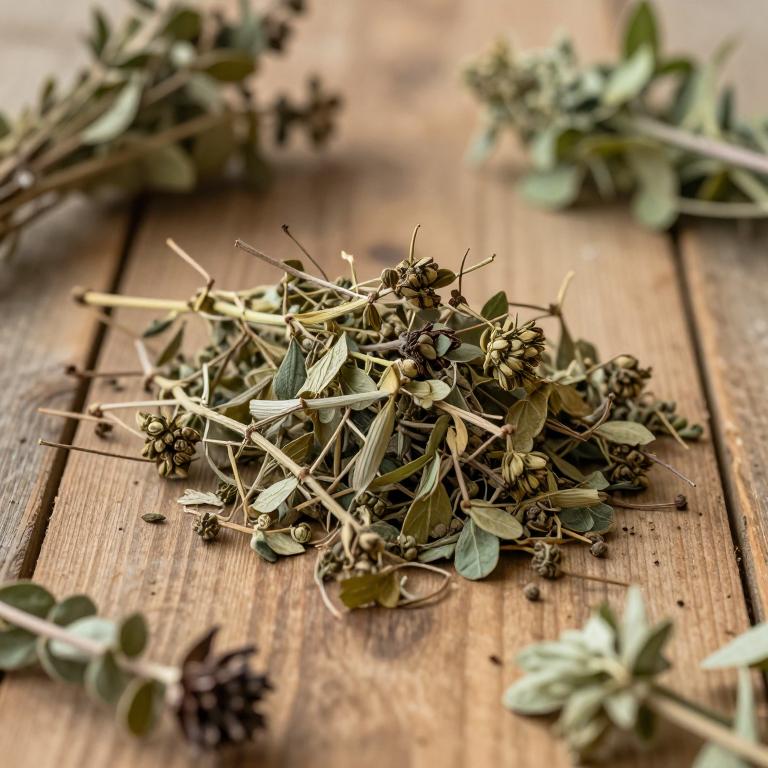
Grewia villosa is a significant botanical species recognized for its diverse range of biological activities and traditional uses. Researchers have focused on exploring its chemical potential through various pharmacological investigations. In recent studies, the plant has been subjected to specialized processing to isolate its bioactive constituents. Specifically, the preparation of crude methanolic extracts has been utilized to capture a broad spectrum of secondary metabolites. These extracts serve as a vital starting point for understanding the therapeutic properties inherent in the species.
- Synonyms
- Tridermia Papillosa · Balmeda Corylifolia · 7 more
- Common names
- Not available
- Family
- Malvaceae
- Distribution
- Southern America
- Plant Parts
- Not available
Classification
Common Names
Grewia villosa is a distinctive plant species widely recognized by its common name, the Mallow Raisin. This name reflects its botanical characteristics and the unique appearance of its fruit. Throughout various regions, the plant serves as a notable component of the local flora. Understanding its identity is essential for anyone studying diverse plant relationships and ecosystems. As a member of its genus, the Mallow Raisin holds a unique place in the natural world.
Sources: Catalogue of Life (COL)
Synonyms
Grewia villosa is a botanical species characterized by a complex history of taxonomic nomenclature. Throughout various studies, it has been identified by several scientific synonyms, including Balmeda corylifolia and Grewia chaunothamnus. The plant is also frequently referenced under the names Grewia corylifolia and Grewia echinulata in older literature. Additionally, the designation Grewia heynei serves as another recognized synonym within its classification. Understanding these overlapping names is essential for accurate identification and research within the genus.
Sources: The World Checklist of Vascular Plants (WCVP)
Taxonomy
Grewia villosa is a distinguished member of the kingdom Plantae. Within this vast biological realm, it is classified under the class Equisetopsida. The plant belongs to the specific genus Grewia, showcasing its unique evolutionary lineage. It is further organized into the order Malvales, which connects it to many other significant species. Finally, this plant is a prominent representative of the family Malvaceae.
| Rank | Classification |
|---|---|
| Kingdom | Plantae |
| Phylum | Streptophyta |
| Class | Equisetopsida |
| Subclass | Magnoliidae |
| Order | Malvales |
| Family | Malvaceae |
| Genus | Grewia |
Sources: The World Checklist of Vascular Plants (WCVP)
Distribution
Geographic Regions
Grewia villosa is a resilient plant species with a broad and diverse distribution across the African continent. It is notably found within East Tropical Africa, spanning across the landscapes of Kenya, Tanzania, and Uganda. The species also extends its reach into Northeast Tropical Africa, specifically inhabiting regions within Chad. Interestingly, its presence reaches as far west as the Macaronesia region, including the islands of Cape Verde. This wide geographic range highlights the adaptability of the species to various African environments.
Sources: The World Checklist of Vascular Plants (WCVP)
Identification
Morphology
Grewia villosa is a self-supporting plant characterized by its distinct shrub growth form. This hardy species typically reaches a minimum height of approximately 2.5 meters. Depending on its specific environment, the plant often settles into a more robust stature of at least 3.05 meters. Ultimately, these shrubs can reach a maximum height of about 4.57 meters. Such structural consistency makes it a reliable component of its natural habitat.
Sources: Global Inventory of Floras and Traits (GIFT)
Biological Activities
Compounds
Conditions
Preparations
Grewia villosa is prepared as crude methanolic extracts to evaluate its potential medicinal properties. In this specific study, these extracts were tested for their in vitro antibacterial activity against various bacterial species. Researchers utilized agar well diffusion and broth dilution methods to examine the effectiveness of the plant's preparation. Despite being processed into these crude methanolic extracts, the plant did not show any inhibitory activity against the tested bacteria. The results ultimately showed that this specific preparation of Grewia villosa lacked antibacterial efficacy in this experimental context.