Grewia rothii
Grewia rothii · Accepted scientific name
Scientific literature: Very Sparse (27 studies) · ★☆☆☆☆
Grewia rothii, scientifically known as Grewia rothii, is a versatile medicinal shrub native to various tropical regions. Renowned for its diverse therapeutic properties, this plant is traditionally used to treat inflammation, digestive issues, and skin ailments. Its leaves and bark contain bioactive compounds essential for holistic wellness.
- Family
- Malvaceae
- Native range
- Asia-Tropical
- Parts used
- Root
- Common names
- Not available
- Scientific synonyms
- Not available
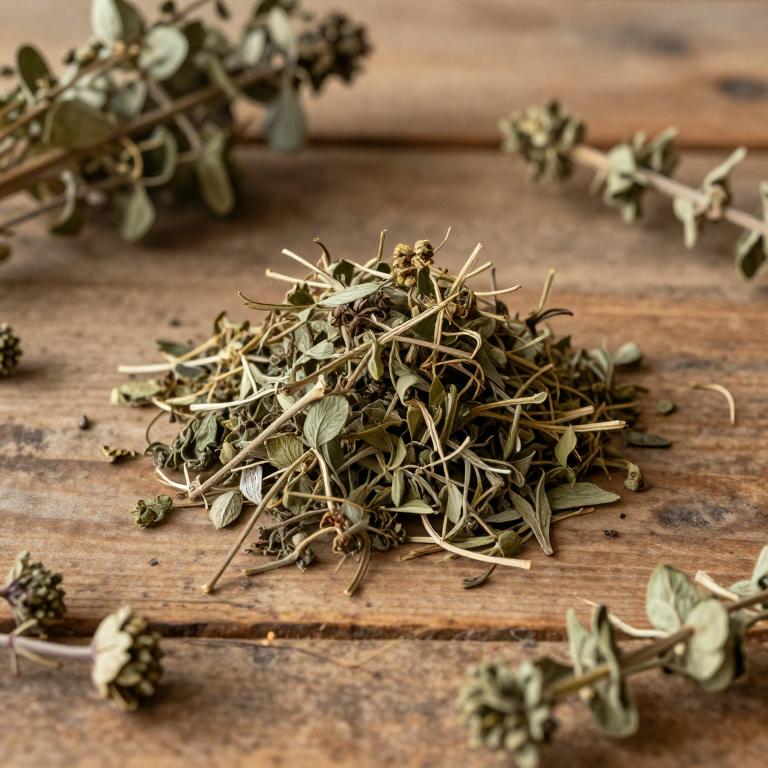
Names and Synonyms
Scientific Names
Accepted name
Grewia rothiiSources: Wikidata
Taxonomical Classification
This plant belongs to the kingdom Plantae and is classified under the phylum Streptophyta and class Equisetopsida. Within the subclass Magnoliidae, it is ordered under Malvales and categorized under the family Malvaceae. Finally, its specific taxonomic identity is defined by the genus Grewia and the species Grewia rothii.
| Rank | Classification |
|---|---|
| Kingdom | Plantae |
| Phylum | Streptophyta |
| Class | Equisetopsida |
| Subclass | Magnoliidae |
| Order | Malvales |
| Family | Malvaceae |
| Genus | Grewia |
Sources: The World Checklist of Vascular Plants (WCVP)
Distribution
This plant is primarily distributed across various regions within the Indian Subcontinent. It can be found growing in the state of Assam and throughout much of India. Its presence extends to the lush landscapes of Bangladesh and the rugged terrain of the East Himalaya. Beyond the subcontinent, the species also inhabits the Indo-China region, specifically within Myanmar. Together, these locations define the natural range of this medicinal species.
| Region | Area |
|---|---|
| Indian Subcontinent | Assam |
| Indian Subcontinent | Bangladesh |
| Indian Subcontinent | East Himalaya |
| Indian Subcontinent | India |
| Indo-China | Myanmar |
Sources: The World Checklist of Vascular Plants (WCVP)
Botanical Identification
Life history
The life history of Grewia rothii is characterized by its status as a perennial species, allowing the plant to persist in its environment over multiple growing seasons. As a perennial, it avoids the complete cycle of death and regeneration seen in annuals, instead establishing a long-term presence that facilitates continuous growth and reproductive potential. This enduring lifecycle enables the plant to develop robust structural components, such as woody stems or significant root systems, which support its survival through varying seasonal conditions. Unlike biennial plants that complete their life cycle in two years, the perennial nature of Grewia rothii ensures a prolonged period of biological activity, contributing to its stability and longevity within its ecological niche.
- Lifecycle :
- perennial
Morphology
The morphology of Grewia rothii is characterized by its growth form as a shrub, exhibiting a distinct woody structure. As a terrestrial species, it thrives in land-based environments rather than aquatic or semiaquatic habitats. The plant is self-supporting in its structural habit, meaning it does not function as a climber, and it maintains an independent biological existence as a non-parasitic organism.
- Aquatic :
- terrestrial
- Climber :
- self-supporting
- Growth form :
- shrub
- Parasite :
- independent
- Woodiness :
- woody
Sources: Global Inventory of Floras and Traits (GIFT)
Plant Parts
Grewia rothii has 1 reported plant parts identified across 1 scientific publications and several other databases that are studied for medicinal purposes. The most consistently reported plant part include root.
| Plant part | Supporting sources | Consensus |
|---|---|---|
| Root | 1 supporting sources | ★☆☆☆☆ |
Root
- Journal of ethnopharmacology
Chemicals
Grewia rothii has 11 reported phytochemicals identified across 1 scientific publications and several other databases. The most consistently reported chemicals include Betulin, 6-Methoxyharman, 6-hydroxyharman, BETA-SITOSTEROL, CHLOROPHYLL B.
| Chemical | Supporting sources | Consensus |
|---|---|---|
| Betulin | 2 supporting sources | ★☆☆☆☆ |
| 6-Methoxyharman | 1 supporting sources | ★☆☆☆☆ |
| 6-hydroxyharman | 1 supporting sources | ★☆☆☆☆ |
| BETA-SITOSTEROL | 1 supporting sources | ★☆☆☆☆ |
| CHLOROPHYLL B | 1 supporting sources | ★☆☆☆☆ |
| Carotenoids | 1 supporting sources | ★☆☆☆☆ |
| Harman | 1 supporting sources | ★☆☆☆☆ |
| Lupeol | 1 supporting sources | ★☆☆☆☆ |
| Phenols | 1 supporting sources | ★☆☆☆☆ |
| beta-Sitosterol glucoside | 1 supporting sources | ★☆☆☆☆ |
Betulin
- Dr. Duke
- Journal of ethnopharmacology
6-Methoxyharman
- Journal of ethnopharmacology
6-hydroxyharman
- Journal of ethnopharmacology
BETA-SITOSTEROL
- Journal of ethnopharmacology
CHLOROPHYLL B
- Scientific reports
Carotenoids
- Scientific reports
Harman
- Journal of ethnopharmacology
Lupeol
- Journal of ethnopharmacology
Phenols
- Scientific reports
beta-Sitosterol glucoside
- Journal of ethnopharmacology
Activities
Grewia rothii has 13 reported activities identified across 1 scientific publications and several other databases. The most consistently reported activities include AntiHIV, Anticarcinomic, Antifeedant, Antiflu, Antiinflammatory.
| Activity | Supporting sources | Consensus |
|---|---|---|
| AntiHIV | 1 supporting sources | ★☆☆☆☆ |
| Anticarcinomic | 1 supporting sources | ★☆☆☆☆ |
| Antifeedant | 1 supporting sources | ★☆☆☆☆ |
| Antiflu | 1 supporting sources | ★☆☆☆☆ |
| Antiinflammatory | 1 supporting sources | ★☆☆☆☆ |
| Antitumor | 1 supporting sources | ★☆☆☆☆ |
| Antiviral | 1 supporting sources | ★☆☆☆☆ |
| Aphidifuge | 1 supporting sources | ★☆☆☆☆ |
| Cytotoxic | 1 supporting sources | ★☆☆☆☆ |
| Hypolipemic | 1 supporting sources | ★☆☆☆☆ |
AntiHIV
- Dr. Duke
Anticarcinomic
- Dr. Duke
Antifeedant
- Dr. Duke
Antiflu
- Dr. Duke
Antiinflammatory
- Dr. Duke
Antitumor
- Dr. Duke
Antiviral
- Dr. Duke
Aphidifuge
- Dr. Duke
Cytotoxic
- Dr. Duke
Hypolipemic
- Dr. Duke
Preparations
Grewia rothii has 1 reported preparations identified across 1 scientific publications and several other databases. The most consistently reported preparations include methanol extract.
| Preparation | Supporting sources | Consensus |
|---|---|---|
| Methanol extract | 1 supporting sources | ★☆☆☆☆ |
Methanol extract
- Journal of ethnopharmacology