Grewia occidentalis
Grewia occidentalis · Accepted scientific name
Scientific literature: Very Sparse (0 studies) · ★☆☆☆☆
Grewia occidentalis is a versatile shrub widely recognized for its significant medicinal potential in traditional healing practices. Recent scientific investigations have focused on the therapeutic properties of its foliage to address various physiological ailments. Specifically, research has utilized methanol extracts derived from the plant's leaf to evaluate its bioactive compounds. These studies aim to determine the efficacy of such extracts in promoting the healing process of physical wounds. Understanding these botanical mechanisms provides essential insights into the plant's role as a natural pharmacological agent.
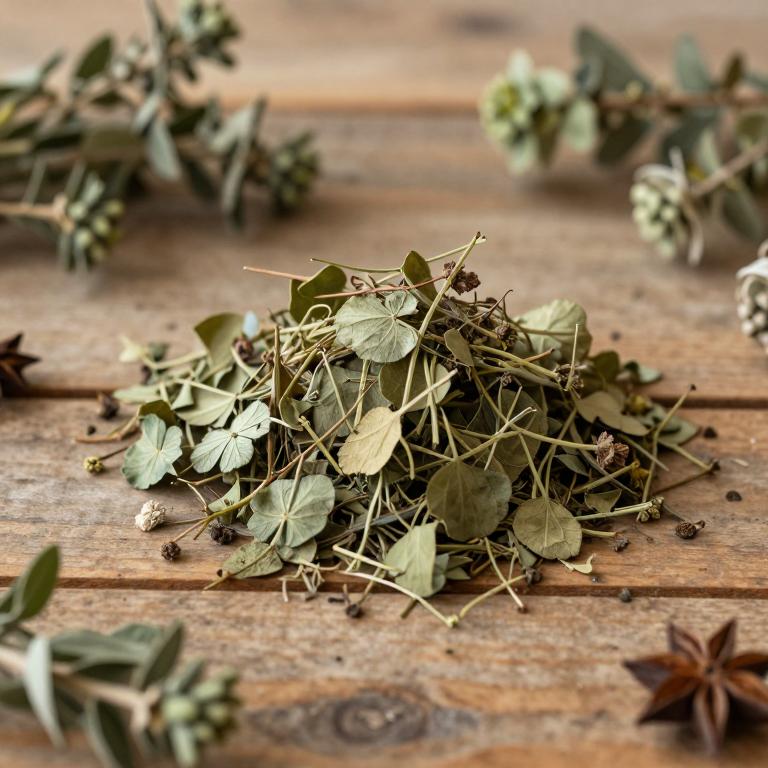
- Synonyms
- Not available
- Common names
- Not available
- Family
- Malvaceae
- Distribution
- Africa
- Plant Parts
- Leaf
Classification
Common Names
Grewia occidentalis is a versatile plant recognized by a wide array of regional and descriptive names. It is most frequently referred to by its common moniker, the Cross-berry. Depending on the specific location or linguistic context, it may also be known as the Common Cross-berry or the Common Cross-berry Raisin. Some enthusiasts and locals even use the name Booghout to identify this particular species. Regardless of the label used, these various names all point to the same distinctive botanical subject.
Sources: Catalogue of Life (COL)
Taxonomy
Grewia occidentalis belongs to the vast kingdom Plantae, representing a diverse group of multicellular organisms. Within this biological framework, the species is classified under the class Equisetopsida. It is further categorized into the order Malvales, which helps define its evolutionary lineage. This plant is a member of the specific genus Grewia, highlighting its unique botanical characteristics. Finally, its taxonomic placement is completed within the family Malvaceae, connecting it to a wide array of related flowering plants.
| Rank | Classification |
|---|---|
| Kingdom | Plantae |
| Phylum | Streptophyta |
| Class | Equisetopsida |
| Subclass | Magnoliidae |
| Order | Malvales |
| Family | Malvaceae |
| Genus | Grewia |
Sources: The World Checklist of Vascular Plants (WCVP)
Distribution
Geographic Regions
Grewia occidentalis is a resilient species with an extensive natural distribution across the African continent. Its presence is notably documented throughout South Tropical Africa, including specific regions in Mozambique and Zimbabwe. The plant also thrives within Southern Africa, stretching across the diverse landscapes of the Cape Provinces and Eswatini. Furthermore, its reach extends into the interior, where it can be found growing in the Free State. This widespread geographical range highlights the plant's ability to adapt to various African environments.
Sources: The World Checklist of Vascular Plants (WCVP)
Identification
Morphology
Grewia occidentalis is characterized by its distinct shrub growth form. This self-supporting plant typically reaches a moderate stature in its natural habitat. While its size can vary, it generally reaches a maximum height of 2.5 meters. In some optimal conditions, the species may grow slightly larger, peaking at a height of 3 meters.
Sources: Global Inventory of Floras and Traits (GIFT)
Biological Activities
Compounds
Conditions
Grewia occidentalis is identified as one of the most commonly used medicinal plants for the treatment of wounds in the Eastern Cape Province of South Africa. Ethnomedical surveys involving traditional healers and rural dwellers highlight its significant role in local primary health care. Scientific testing has demonstrated that methanol extracts of this plant show significant inhibition against both gram-positive and gram-negative bacteria. This antibacterial activity provides a biological justification for its traditional application in managing wound infections. Consequently, the plant serves as a vital resource for treating skin injuries contaminated by bacterial pathogens.
Preparations
Grewia occidentalis is prepared as methanol extracts to investigate its medicinal properties. These specific extracts were tested for their ability to inhibit various types of bacteria. The study revealed that the methanol extracts of this plant showed significant inhibition against both gram-positive and gram-negative bacteria. This antibacterial effectiveness helps justify its traditional use for treating wounds in the Eastern Cape. Consequently, the preparation of Grewia occidentalis as a methanol extract serves as a key component in its antimicrobial application.
Parts used
Grewia occidentalis is one of several important browse species identified in the savannah biome of South Africa. As part of this study, the plant's leaf was specifically harvested and analyzed to determine its phytochemical properties. Researchers examined these leaf samples from different provinces to understand how soil types influence bioactive compound concentrations. The analysis revealed that the leaves of such species contain essential constituents like saponins, flavonoids, and tannins. Ultimately, understanding the chemical makeup of the Grewia occidentalis leaf can help maximize the use of these plants for both medicinal purposes and livestock feed.