Grewia monticola
Grewia monticola · Accepted scientific name
Scientific literature: Very Sparse (0 studies) · ★☆☆☆☆
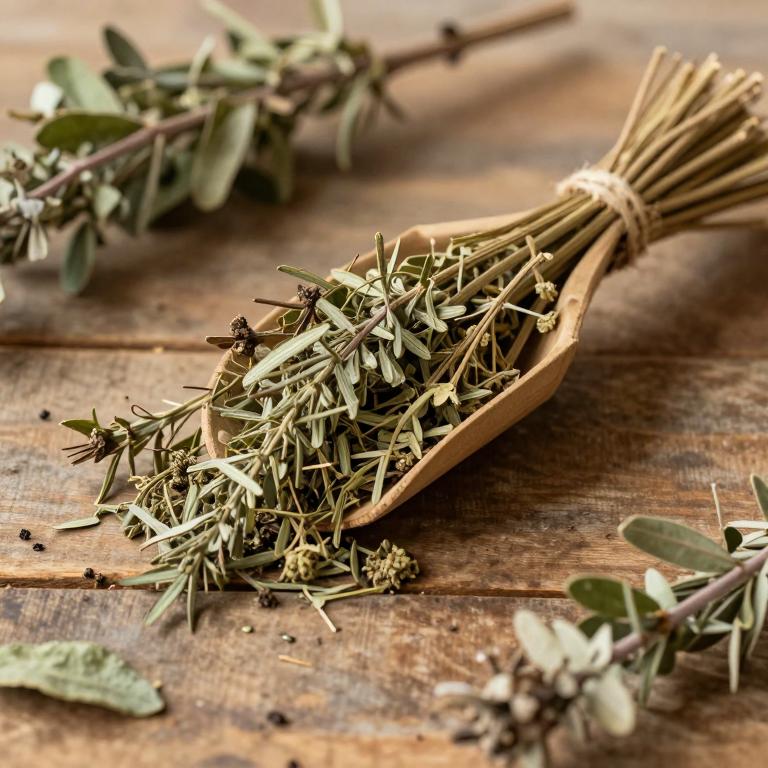
Grewia monticola is a distinctive woody species known for its unique botanical characteristics. One of its most defining features is the specific structure and arrangement of its leaf. These leaves play a vital role in the plant's ability to capture sunlight and perform essential photosynthesis. By studying the leaf morphology, botanists can better identify and classify this particular plant within its ecosystem. Understanding these vegetative details is crucial for recognizing the ecological importance of Grewia monticola.
- Synonyms
- Grewia Cordata
- Common names
- Not available
- Family
- Malvaceae
- Distribution
- Not available
- Plant Parts
- Leaf
Classification
Common Names
Grewia monticola is a versatile shrub that is recognized by a diverse array of local names. It is frequently referred to as the Cross Berry or the Grey Donkeyberry in various botanical circles. Depending on the region, you may also encounter it known as the Grey Grewia. Some enthusiasts prefer calling it the Grey Raisin, a name that highlights its fruit characteristics. Finally, it is often identified as the Grey Raisinbush, showcasing the many ways this plant is described.
Sources: Catalogue of Life (COL)
Synonyms
Grewia monticola is a botanical species that is often identified through various taxonomic classifications. Within scientific literature, this plant is frequently associated with the synonym Grewia cordata. Furthermore, researchers may also encounter it listed under the name Grewia obliqua in different herbarium records. These overlapping designations highlight the complex historical nomenclature used to categorize the species. Understanding these relationships is essential for ensuring accuracy in botanical studies and plant identification.
Sources: The World Checklist of Vascular Plants (WCVP)
Taxonomy
Grewia monticola is a distinctive species belonging to the vast kingdom Plantae. Within this botanical realm, it is classified under the class Equisetopsida. The plant is further organized into the order Malvales, showcasing its evolutionary connections. It specifically falls under the family Malvaceae, a group known for its diverse characteristics. Ultimately, this species is a proud member of the genus Grewia.
| Rank | Classification |
|---|---|
| Kingdom | Plantae |
| Phylum | Streptophyta |
| Class | Equisetopsida |
| Subclass | Magnoliidae |
| Order | Malvales |
| Family | Malvaceae |
| Genus | Grewia |
Sources: The World Checklist of Vascular Plants (WCVP)
Distribution
Geographic Regions
Grewia monticola is a resilient species with a broad geographical presence across the African continent. Its distribution spans from East Tropical Africa, specifically within Tanzania, to various regions in South Tropical Africa. The plant is frequently documented throughout Mozambique, Zambia, and Zimbabwe, highlighting its adaptability to diverse environments. Furthermore, it extends its reach into the landscapes of Southern Africa, including Botswana. This widespread range underscores the ecological significance of the species across these interconnected territories.
Sources: The World Checklist of Vascular Plants (WCVP)
Identification
Morphology
Grewia monticola is a self-supporting tree that maintains a sturdy and independent structure. This species typically reaches a maximum height of 5 meters as it matures. Its compact growth form makes it a distinct feature within its natural habitat.
Sources: Global Inventory of Floras and Traits (GIFT)
Biological Activities
Compounds
Conditions
Preparations
Parts used
Grewia monticola is among the various browse species studied for its phytochemical properties within the South African savannah biome. Research focusing on these plants often utilizes the leaf as a primary component for qualitative and quantitative analysis. By examining these leaf samples, scientists can identify essential bioactive compounds like saponins, flavonoids, and tannins. Understanding the concentration of these constituents in Grewia monticola is crucial for determining its potential value as livestock feed or medicine. Ultimately, such studies aim to maximize the utilization of these species to enhance animal production in semi-arid regions.