Grewia flava
Grewia flava · Accepted scientific name
Scientific literature: Very Sparse (0 studies) · ★☆☆☆☆
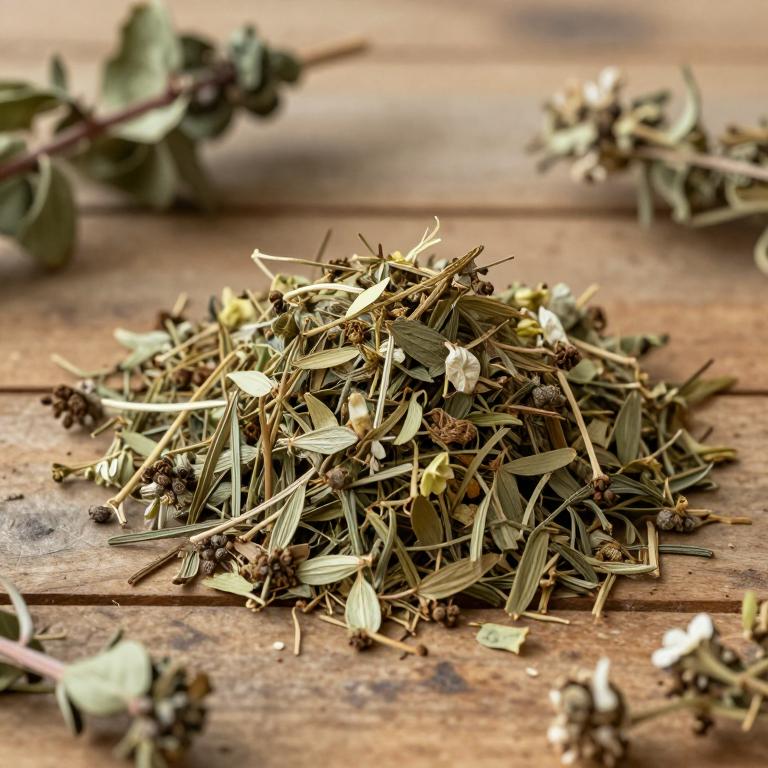
Grewia flava, commonly known as the Lamberti bush, is a resilient deciduous shrub native to various arid regions of Africa. This versatile plant is often recognized by its distinctive foliage, which provides essential texture to its natural habitat. The leaves play a crucial role in the plant's survival, facilitating photosynthesis even in challenging environmental conditions. Beyond its aesthetic appeal, the species is highly valued for its ability to thrive in poor soils and withstand prolonged droughts. Understanding the characteristics of its leaf structure offers valuable insights into the plant's evolutionary adaptations to dry climates.
- Synonyms
- Grewia Cana · Grewia Hermannioides
- Common names
- Not available
- Family
- Malvaceae
- Distribution
- Not available
- Plant Parts
- Leaf
Classification
Common Names
Grewia flava is a versatile species known by a diverse array of regional and descriptive names. Locally, it is frequently referred to as Awa#âis or Bessiebos, reflecting its cultural significance in certain areas. Many people also recognize the plant by its more evocative titles, such as Brandy Bush or Brandybush Grewia. Additionally, it is sometimes called Fluweelrosyntjiebos, a name that highlights its unique botanical characteristics. These various common names illustrate the rich linguistic heritage associated with this particular shrub.
Sources: Catalogue of Life (COL)
Synonyms
Grewia flava is a versatile plant species that is frequently identified by various botanical names in scientific literature. Within taxonomic records, the names Grewia cana and Grewia hermannioides are recognized as official synonyms for this particular plant. This overlap in nomenclature can sometimes cause confusion for researchers attempting to track its distribution and growth patterns. Understanding these connections is essential for ensuring accuracy when studying the species' unique biological characteristics. Consequently, recognizing these synonyms helps create a more cohesive and unified profile of Grewia flava across different botanical databases.
Sources: The World Checklist of Vascular Plants (WCVP)
Taxonomy
Grewia flava is a fascinating specimen that belongs to the kingdom Plantae. Within this vast biological realm, the plant is classified under the class Equisetopsida. It specifically falls under the order Malvales, showcasing its evolutionary connections. Furthermore, this species is a member of the family Malvaceae, which defines its core botanical traits. Ultimately, it is identified by its unique placement within the genus Grewia.
| Rank | Classification |
|---|---|
| Kingdom | Plantae |
| Phylum | Streptophyta |
| Class | Equisetopsida |
| Subclass | Magnoliidae |
| Order | Malvales |
| Family | Malvaceae |
| Genus | Grewia |
Sources: The World Checklist of Vascular Plants (WCVP)
Distribution
Geographic Regions
Grewia flava is a resilient species widely distributed across various regions of the African continent. Its presence is noted throughout South Tropical Africa, including specific territories such as Angola and Zimbabwe. The plant also thrives within the Southern African landscape, spanning from the Caprivi Strip to the diverse environments of Botswana. Furthermore, its range extends significantly into the Cape Provinces, demonstrating a broad ecological adaptability. This wide geographic footprint highlights the plant's importance across these diverse African habitats.
Sources: The World Checklist of Vascular Plants (WCVP)
Identification
Morphology
Grewia flava is a self-supporting plant characterized by its distinct shrub growth form. This hardy species typically reaches a moderate stature within its natural environment. While its height often stays around 2 m, it can occasionally grow to a maximum of 3 m. These physical traits make it a versatile addition to various landscapes.
Sources: Global Inventory of Floras and Traits (GIFT)
Biological Activities
Compounds
Conditions
Preparations
Parts used
Grewia flava is one of several significant browse species identified in the study of the South African savannah biome. Researchers focused specifically on the leaf samples of this plant to investigate its potential for medicinal and livestock feed applications. By analyzing these leaves, the study aimed to determine the concentration of vital phytochemicals and bioactive compounds present within the species. The investigation utilized both qualitative and quantitative methods to assess how these leaf constituents respond to different soil types. Ultimately, understanding the chemical makeup of Grewia flava leaves is essential for maximizing the plant's value in animal production and human medicine.