Gonzalagunia panamensis
Gonzalagunia panamensis · Accepted scientific name
Scientific literature: Very Sparse (0 studies) · ★☆☆☆☆
Gonzalagunia panamensis is a specialized plant species known for its unique botanical characteristics. Researchers often focus on the study of its leaf structure to uncover potential bioactive properties. To investigate these qualities, scientists frequently utilize ethanolic extracts derived from the foliage. These preparations allow for a concentrated analysis of the secondary metabolites present within the plant. Understanding these components is essential for exploring the medicinal potential of this specific taxon.
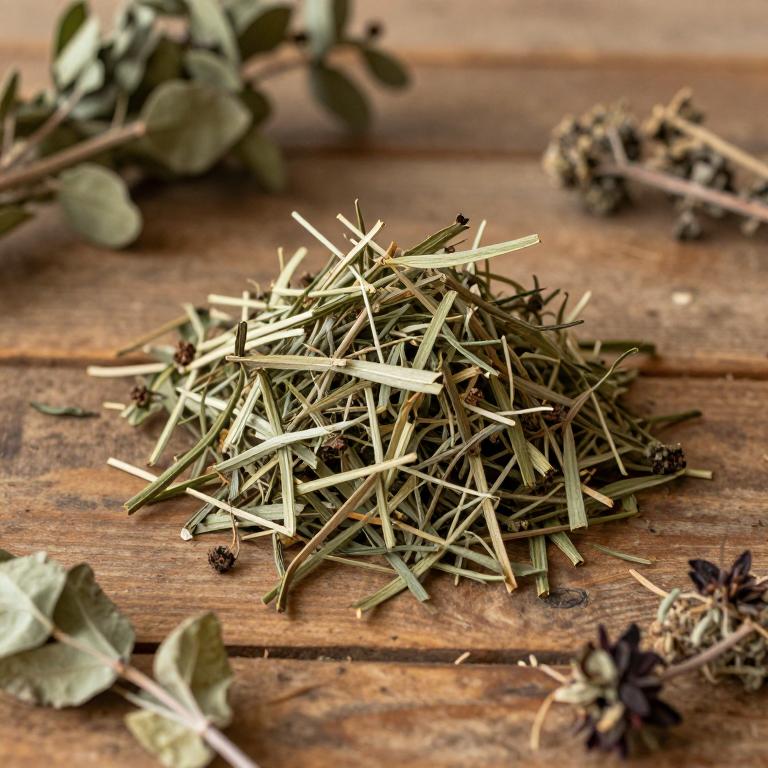
- Synonyms
- Buena Panamensis · Duggena Panamensis · 7 more
- Common names
- Not available
- Family
- Rubiaceae
- Distribution
- Not available
- Plant Parts
- Leaf
Classification
Common Names
Gonzalagunia panamensis is a fascinating botanical species that is recognized by several different regional names. Within various local communities, it is frequently referred to by the common name granadillo. It is also widely known by the moniker niguita, reflecting its diverse linguistic identity. These overlapping names highlight the plant's deep-rooted presence in the cultural landscape. Understanding these various appellations helps enthusiasts better identify this unique specimen in the wild.
Sources: Catalogue of Life (COL)
Synonyms
Gonzalagunia panamensis is a botanical species that has been identified through various taxonomic classifications over time. Due to historical shifting in nomenclature, it is formally recognized by several important synonyms. These include the names Buena panamensis and Duggena hayesii, both of which refer to the same plant. Furthermore, the species has been previously documented as Duggena leptantha and Duggena panamensis. It is also categorized under the synonym Gonzalagunia leptantha, reflecting the complex history of its scientific naming.
Sources: The World Checklist of Vascular Plants (WCVP)
Taxonomy
Gonzalagunia panamensis is a remarkable organism belonging to the kingdom Plantae. Within this vast biological realm, it is specifically classified under the class Equisetopsida. The plant is a member of the order Gentianales, showcasing its unique evolutionary lineage. It further falls under the family Rubiaceae, which connects it to a diverse group of flowering plants. Ultimately, this species is defined by its placement within the genus Gonzalagunia.
| Rank | Classification |
|---|---|
| Kingdom | Plantae |
| Phylum | Streptophyta |
| Class | Equisetopsida |
| Subclass | Magnoliidae |
| Order | Gentianales |
| Family | Rubiaceae |
| Genus | Gonzalagunia |
Sources: The World Checklist of Vascular Plants (WCVP)
Distribution
Geographic Regions
Gonzalagunia panamensis exhibits a diverse geographical range that spans across several significant regions. In North America, the species is widely distributed throughout Mexico, including its Gulf coasts and northeastern territories. Its presence continues into the southeast and southwest regions of Mexico, showcasing its adaptability to varied climates. Moving southward, the plant's reach extends into South America and the Caribbean. Specifically, it can be found thriving within the unique ecosystems of Cuba.
Sources: The World Checklist of Vascular Plants (WCVP)
Identification
Morphology
Gonzalagunia panamensis is characterized by its distinctive growth form as a shrub. This species is entirely self-supporting, allowing it to maintain its structure within its natural habitat.
Sources: Global Inventory of Floras and Traits (GIFT)
Biological Activities
Compounds
Conditions
Gonzalagunia panamensis demonstrates significant medicinal potential through its ability to neutralize the harmful effects of Bothrops asper venom. The ethanolic extracts of this plant effectively treat edema-forming activity by inhibiting venom-induced swelling in a dose-dependent manner. Additionally, the plant serves to treat the defibrinating effect of the venom, showing a 100% neutralizing ability when preincubated. It also assists in treating coagulation time by prolonging the time required for the venom to induce clotting. These combined pharmacological properties highlight the plant's importance in neutralizing the complex toxic actions of snake venom.
Preparations
Gonzalagunia panamensis is prepared as ethanolic extracts for use in biological studies. These specific extracts were tested for their ability to neutralize the various effects of Bothrops asper venom. During the research, the plant material used to create the extract consisted of its leaves and branches. The study revealed that these ethanolic extracts showed high efficacy in partially neutralizing the edema-forming activity of the venom. This particular plant was identified among the most effective extracts in a dose-dependent manner.
Parts used
Gonzalagunia panamensis is a plant species belonging to the Rubiaceae family that holds potential medicinal value. In recent pharmacological studies, the leaf of this plant was specifically utilized to create ethanolic extracts for testing against snake venom. Researchers evaluated these extracts to determine their ability to neutralize the edema-forming and defibrinating effects of Bothrops asper venom. The results indicated that extracts from the leaves of G. panamensis demonstrated a significant ability to inhibit edema in a dose-dependent manner. This finding highlights the plant's importance in traditional healing practices and its promising role in neutralizing venom toxicity.