Gongronemopsis tenacissima
Gongronemopsis tenacissima · Accepted scientific name
Scientific literature: Very Sparse (4 studies) · ★☆☆☆☆
Gongronemopsis tenacissima is a versatile medicinal plant utilized for its significant anticancer, cardioprotective, and chemopreventive activities. The therapeutic potential of its stems and roots is largely driven by bioactive chemicals such as Tenacissoside H, Dresgenin, steroids, and Tenacissoside G. Research indicates that preparations of this plant can be applied to address various conditions, including cancer, asthma, HIV-1, and contraceptive needs. Recent scientific advancements have focused on enhancing its efficacy through specialized preparations like extracts and M.t-ZnONPs. These zinc oxide nanoparticles (ZnONPs) represent a promising frontier in optimizing the plant's medicinal properties for clinical applications.
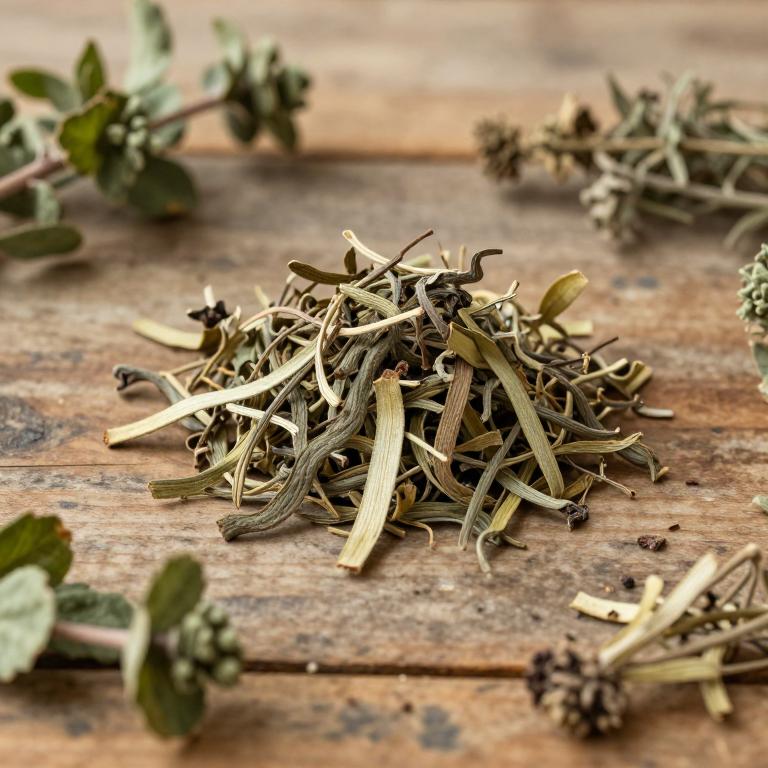
- Synonyms
- Asclepias Tenacissima · Marsdenia Tenacissima · 2 more
- Common names
- Not available
- Family
- Apocynaceae
- Distribution
- Not available
- Plant Parts
- Stem · Root
Classification
Synonyms
Gongronemopsis tenacissima is a botanical species that has been identified through several different taxonomic names. Throughout historical scientific literature, it has been referred to by the synonym Asclepias tenacissima. Researchers have also categorized the plant under the name Gymnema tenacissimum in various studies. Furthermore, its identity has been linked to the synonyms Marsdenia tenacissima and Pergularia tenacissima. Understanding these diverse nomenclatural relationships is essential for accurate botanical classification and communication.
Sources: The World Checklist of Vascular Plants (WCVP)
Taxonomy
Gongronemopsis tenacissima is a distinctive botanical specimen that belongs to the vast kingdom Plantae. Within this biological realm, it is classified under the class Equisetopsida. The plant is further organized into the order Gentianales, reflecting its specific evolutionary lineage. It is a member of the Apocynaceae family, which shares many characteristic traits with its relatives. Finally, this species is uniquely identified by its placement within the genus Gongronemopsis.
| Rank | Classification |
|---|---|
| Kingdom | Plantae |
| Phylum | Streptophyta |
| Class | Equisetopsida |
| Subclass | Magnoliidae |
| Order | Gentianales |
| Family | Apocynaceae |
| Genus | Gongronemopsis |
Sources: The World Checklist of Vascular Plants (WCVP)
Distribution
Geographic Regions
Gongronemopsis tenacissima is a versatile plant with a broad geographic reach across several Asian regions. Its distribution spans from the temperate climates of China and South-Central China to the lush tropical zones of the Indian Subcontinent. Within these tropical landscapes, it can be found thriving in diverse environments such as Assam and Bangladesh. The species also populates the unique ecosystems of the East Himalaya and various parts of India. This wide-ranging presence highlights the plant's ability to adapt to both temperate and tropical habitats.
Sources: The World Checklist of Vascular Plants (WCVP)
Identification
Biological Activities
Gongronemopsis tenacissima, often identified in literature as Marsdenia tenacissima, demonstrates significant therapeutic potential across several medical domains. Research indicates that the plant possesses potent anticancer activity, particularly through its ability to inhibit cancer cell proliferation and induce apoptosis. Furthermore, it exhibits chemopreventive properties that may serve as a valuable adjunct to standard chemotherapy regimens. Beyond its role in oncology, the plant provides essential cardioprotective effects, helping to mitigate cardiac toxicity caused by certain drugs. These diverse biological activities highlight its promise as a multi-target medicinal resource for complex disease management.
Compounds
Gongronemopsis tenacissima, also known as Marsdenia tenacissima, is a medicinal plant recognized for its diverse array of bioactive secondary metabolites. Research indicates that the plant contains several important steroidal glycosides, specifically tenacissoside G, tenacissoside H, and tenacissoside I. In addition to these glycosides, the plant serves as a source of the compound dresgenin, which has been studied for its potential cardioprotective effects. The chemical profile of the species also includes specialized derivatives such as 11ALPHA-O-BENZOYL-12BETA-O-ACETYLTENACIGENIN B. These various constituents contribute to the plant's pharmacological significance in treating conditions such as cancer, inflammation, and asthma.
Conditions
Gongronemopsis tenacissima, also known as Marsdenia tenacissima, treats cancer through its demonstrated anticancer properties and ability to induce apoptosis in various cancer cell lines. The plant also treats HIV-1, with specific C21 steroidal glycosides and polyoxypregnane glycosides displaying significant inhibitory effects against the virus. Furthermore, the medicinal herb treats asthma and is utilized in traditional remedies for respiratory issues. In agricultural applications, the plant treats 10 mg·L⁻¹ of 3-indoleacetic acid (IAA) to significantly increase its fruit-setting rate.
Preparations
Gongronemopsis tenacissima is utilized to produce medicinal extracts that serve as remedies for various health conditions. This plant is also employed in the synthesis of zinc oxide nanoparticles, commonly referred to as ZnONPs. Specifically, the plant is used to create biosynthesized M.t-ZnONPs, which serve as a promising nanodrug delivery system. These M.t-ZnONPs are characterized by their ability to inhibit cell proliferation and induce apoptosis in cancer cells. Through these processes, the plant is effectively prepared as both chemical extracts and specialized nanoparticle formulations.
Parts used
Gongronemopsis tenacissima, traditionally known as Dai-Bai-Jie, is a significant medicinal plant utilized by the Dai ethnic group for its detoxification properties. Research into this species highlights the importance of its various anatomical components, specifically the stem and the root. The dried root is a primary source of valuable secondary metabolites, including various flavonoids that play a crucial role in its biological activity. Furthermore, chemical investigations have focused on isolating bioactive compounds from different parts of the plant to understand its medicinal potential. By studying the accumulation of these metabolites in the root and stem, scientists can better guide cultivation and harvesting strategies.