globe amaranth
Gomphrena · Accepted scientific name
Scientific literature: Very Sparse (2 studies) · ★☆☆☆☆
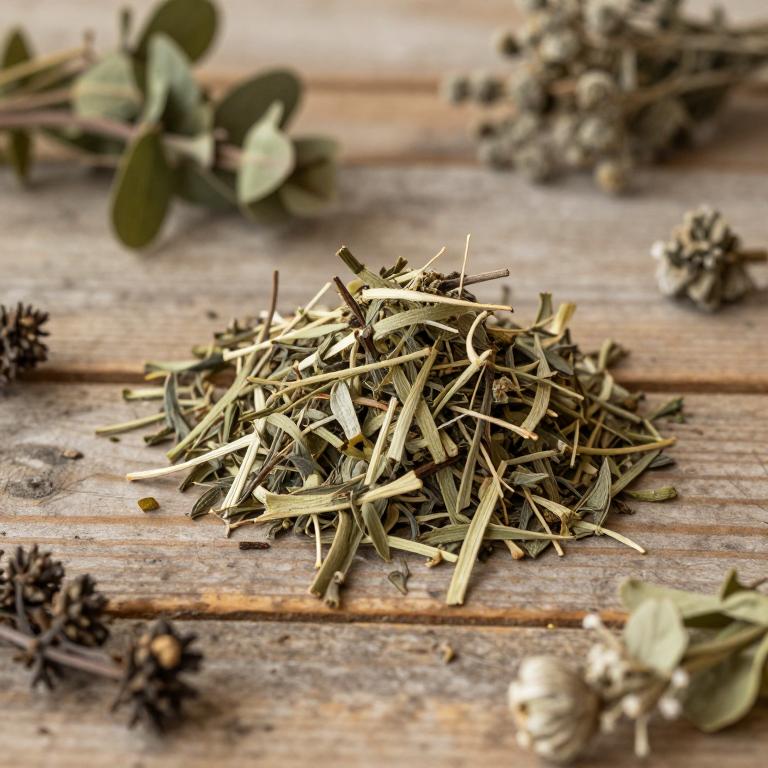
Globe amaranth, scientifically known as Gomphrena, is a resilient perennial celebrated for its vibrant, papery blooms. Beyond its ornamental beauty, this plant holds significant medicinal value in traditional practices. Renowned for its antioxidant properties, Gomphrena is often utilized to support digestive health, reduce inflammation, and promote overall wellness.
- Family
- Amaranthaceae
- Native range
- Europe
- Parts used
- Not available
- Common names
- Globe Amaranth
- Scientific synonyms
- Amaranthoides · Sedinha · 10 more
Names and Synonyms
Common Names
- globe amaranth
Scientific Names
Accepted name
GomphrenaSynonyms
- Amaranthoides
- Sedinha
- Chlamyphorus
- Chnoanthus
- Bragantia
- Blutaparon
- Xeraea
- Wadapus
- Coluppa
- Lithophila
- Philoxerus
- Pseudogomphrena
Regional and Traditional Names
Spanish:
- Globe amaranth
- Bragantia
- Philoxerus
German:
- Kugelamarant
- Kugelamarant
French:
- Gomphréna
Sources: Wikidata, Catalogue of Life
Taxonomical Classification
This plant belongs to the kingdom Plantae and is classified within the phylum Streptophyta and class Equisetopsida. As a member of the subclass Magnoliidae and order Caryophyllales, it is specifically situated in the family Amaranthaceae. Finally, it is identified under the genus Gomphrena.
| Rank | Classification |
|---|---|
| Kingdom | Plantae |
| Phylum | Streptophyta |
| Class | Equisetopsida |
| Subclass | Magnoliidae |
| Order | Caryophyllales |
| Family | Amaranthaceae |
| Genus | Gomphrena |
Sources: The World Checklist of Vascular Plants (WCVP)
Distribution
This plant exhibits a diverse geographical distribution spanning several distinct regions. In Middle Europe, it can be found growing within the borders of Germany. Its presence extends into Southeastern Europe, specifically documented in both Bulgaria and Romania. Furthermore, the species reaches the Macaronesian islands, including the Azores. Finally, its range continues across the Atlantic to the archipelago of Cape Verde.
| Region | Area |
|---|---|
| Middle Europe | Germany |
| Southeastern Europe | Bulgaria |
| Southeastern Europe | Romania |
| Macaronesia | Azores |
| Macaronesia | Cape Verde |
| Macaronesia | Madeira |
| West Tropical Africa | Benin |
| West Tropical Africa | Burkina |
| West Tropical Africa | Gambia |
| West Tropical Africa | Ghana |
Sources: The World Checklist of Vascular Plants (WCVP)
Chemicals
Gomphrena has 1 reported phytochemicals identified across 0 scientific publications and several other databases. The most consistently reported chemicals include Aristolochic acids.
| Chemical | Supporting sources | Consensus |
|---|---|---|
| Aristolochic acids | 1 supporting sources | ★☆☆☆☆ |
Aristolochic acids
- Journal of pharmaceutical and biomedical analysis
Activities
Gomphrena has 1 reported activities identified across 0 scientific publications and several other databases. The most consistently reported activities include Nephrotoxic.
| Activity | Supporting sources | Consensus |
|---|---|---|
| Nephrotoxic | 1 supporting sources | ★☆☆☆☆ |
Nephrotoxic
- Journal of pharmaceutical and biomedical analysis