parrots-peak
Gmelina philippensis · Accepted scientific name
Scientific literature: Very Sparse (9 studies) · ★☆☆☆☆
Parrots-peak, scientifically known as Gmelina philippensis, is a versatile deciduous shrub prized in traditional medicine. Native to tropical regions, this plant features distinctive foliage and fragrant flowers. It is widely utilized for its therapeutic properties, offering significant benefits in treating various ailments, including inflammation, skin issues, and digestive disorders.
- Family
- Lamiaceae
- Native range
- Asia-Temperate
- Parts used
- Not available
- Common names
- Parrots-Peak · Wild Sage
- Scientific synonyms
- Gmelina Thothathriana · Gmelina Bracteata · 10 more
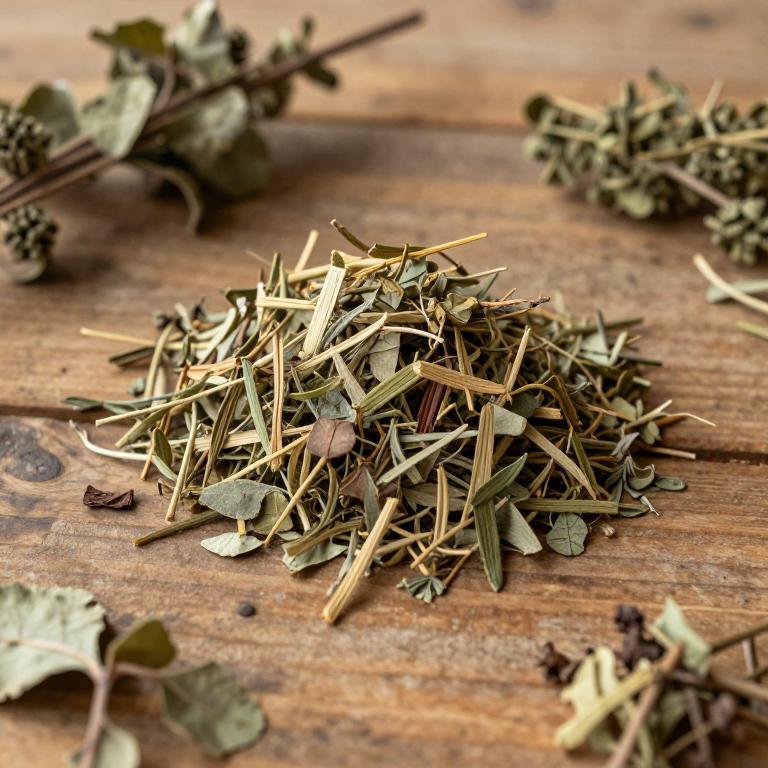
Names and Synonyms
Common Names
- parrots-peak
- wild sage
Scientific Names
Accepted name
Gmelina philippensisSynonyms
- Gmelina thothathriana
- Gmelina bracteata
- Gmelina finlaysoniana f. colorata
- Gmelina philippensis f. transitoria
- Gmelina finlaysoniana f. viridibracteata
- Gmelina asiatica var. philippensis
- Gmelina szechwanensis
- Gmelina inermis
- Gmelina philippensis f. colorata
- Gmelina philippensis f. viridibracteata
- Gmelina hystrix
- Gmelina finlaysoniana var. silvestris
Sources: Wikidata, Catalogue of Life
Taxonomical Classification
This plant belongs to the kingdom Plantae and is classified under the phylum Streptophyta and the class Equisetopsida. Within the subclass Magnoliidae, it is organized under the order Lamiales and the family Lamiaceae. Ultimately, its specific taxonomic identity is defined by the genus Gmelina.
| Rank | Classification |
|---|---|
| Kingdom | Plantae |
| Phylum | Streptophyta |
| Class | Equisetopsida |
| Subclass | Magnoliidae |
| Order | Lamiales |
| Family | Lamiaceae |
| Genus | Gmelina |
Sources: The World Checklist of Vascular Plants (WCVP)
Distribution
This plant exhibits a broad geographical distribution across several key regions of Asia. In China, its presence is specifically noted within the South-Central areas. Within the Indian Subcontinent, it can be found growing in both India and Bangladesh. The species also extends into the Indo-China region, spanning from Cambodia to the Andaman Islands. Together, these locations highlight the diverse environmental range of Gmelina philippensis.
| Region | Area |
|---|---|
| China | China South-Central |
| Indian Subcontinent | Bangladesh |
| Indian Subcontinent | India |
| Indo-China | Andaman Is. |
| Indo-China | Cambodia |
| Indo-China | Myanmar |
| Indo-China | Thailand |
| Indo-China | Vietnam |
| Malesia | Borneo |
| Malesia | Lesser Sunda Is. |
Sources: The World Checklist of Vascular Plants (WCVP)
Botanical Identification
Life history
The life history of Gmelina philippensis is characterized by its classification as a phanerophyte, as it maintains its perennating buds well above the ground level, typically developing into a robust, woody shrub or small tree. In certain environmental contexts or developmental stages, its growth strategy may align with the traits of a nanophanerophyte, where the reproductive and vegetative structures are kept relatively close to the ground compared to larger woody species. This life form allows the plant to establish a perennial presence in its habitat, utilizing its woody structure to survive through seasonal variations. As a phanerophyte, it prioritizes the elevation of its photosynthetic and reproductive organs to optimize light interception and seed dispersal, ensuring its continued cycle of growth and regeneration within its ecological niche.
- Life form :
- nanophanerophyte
- Life form :
- phanerophyte
Morphology
The morphology of Gmelina philippensis is characterized by its growth habit as a woody climber, exhibiting a facultative climbing nature that allows it to utilize external supports to ascend. It functions as a terrestrial plant, maintaining its primary growth on the ground rather than existing as an epiphyte, and it remains an independent organism without any parasitic relationship to its host plants. The structural development of the species is defined by its woody tissue, providing the necessary strength for its climbing architecture.
- Climber :
- facultative
- Epiphyte :
- terrestrial
- Parasite :
- independent
- Woodiness :
- woody
Physiology
The physiology of Gmelina philippensis is characterized by a metabolic framework that utilizes the C3 photosynthetic pathway, where carbon fixation occurs primarily through the enzyme RuBisCO within the mesophyll cells. This C3 mechanism involves the initial fixation of atmospheric carbon dioxide into a three-carbon compound, 3-phosphoglycerate, during the Calvin cycle. The plant's physiological processes are closely tied to its water-use efficiency and transpiration rates, which are modulated by stomatal conductance to balance gas exchange with moisture retention. Its metabolic activities support rapid vegetative growth and the synthesis of various secondary metabolites, which are integrated into its overall physiological development and structural integrity.
- Photosynthetic pathway :
- C3
Sources: Global Inventory of Floras and Traits (GIFT)
Chemicals
Gmelina philippensis has 1 reported phytochemicals identified across 0 scientific publications and several other databases. The most consistently reported chemicals include Flavonoids.
| Chemical | Supporting sources | Consensus |
|---|---|---|
| Flavonoids | 1 supporting sources | ★☆☆☆☆ |
Flavonoids
- Plants (Basel, Switzerland)
Activities
Gmelina philippensis has 3 reported activities identified across 0 scientific publications and several other databases. The most consistently reported activities include Antidiabetic, Antioxidant, Cytotoxic.
| Activity | Supporting sources | Consensus |
|---|---|---|
| Antidiabetic | 1 supporting sources | ★☆☆☆☆ |
| Antioxidant | 1 supporting sources | ★☆☆☆☆ |
| Cytotoxic | 1 supporting sources | ★☆☆☆☆ |
Antidiabetic
- Journal of ethnopharmacology
Antioxidant
- Plants (Basel, Switzerland)
Cytotoxic
- Journal of ethnopharmacology
Conditions
Gmelina philippensis has 5 reported investigations on conditions identified across 0 scientific publications and several other databases. The most consistently reported conditions include Alzheimer's disease, hepatocellular carcinoma, neurodegenerative disease, neurodegenerative diseases, neurodegenerative disorders.
| Condition | Supporting sources | Consensus |
|---|---|---|
| Alzheimer's disease | 1 supporting sources | ★☆☆☆☆ |
| Hepatocellular carcinoma | 1 supporting sources | ★☆☆☆☆ |
| Neurodegenerative disease | 1 supporting sources | ★☆☆☆☆ |
| Neurodegenerative diseases | 1 supporting sources | ★☆☆☆☆ |
| Neurodegenerative disorders | 1 supporting sources | ★☆☆☆☆ |
Alzheimer's disease
- Plants (Basel, Switzerland)
Hepatocellular carcinoma
- Journal of ethnopharmacology
Neurodegenerative disease
- Plants (Basel, Switzerland)
Neurodegenerative diseases
- Plants (Basel, Switzerland)
Neurodegenerative disorders
- Plants (Basel, Switzerland)