Ginkgo
Ginkgo · Accepted scientific name
Scientific literature: Very Sparse (7 studies) · ★☆☆☆☆
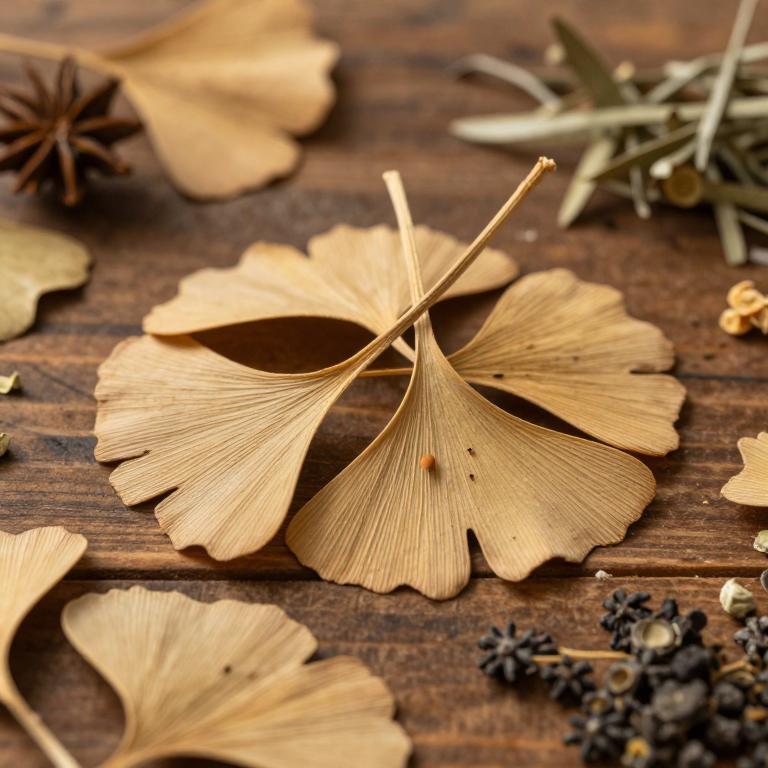
Ginkgo is a remarkable plant whose various parts, including the leaf, seed, and rhizome, are utilized to create medicinal preparations and dietary supplements. These extracts contain potent bioactive chemicals such as flavonoids, bilobalide, ginkgolide B, and isorhamnetin. Due to these components, the plant exhibits significant antioxidant, anticancer, antidepressant, and antitumor activities. Consequently, it is frequently studied for its ability to address conditions like Alzheimer's disease, anxiety, fatigue, and memory loss. Through various therapeutic preparations, Ginkgo remains a vital subject in natural pharmacology.
- Synonyms
- Not available
- Common names
- Not available
- Family
- Ginkgoaceae
- Distribution
- Southern America
- Plant Parts
- Leaf · Seed
Classification
Common Names
Ginkgo is a remarkable plant known by several different names across various cultures and languages. In certain regions, it is frequently referred to by the common name Bạch quả. It is also recognized under the name Coeden ginco, reflecting its unique botanical identity. Some scientific or regional variations may even refer to it as Dviskiautis ginkmedis. Ultimately, whether you call it Gingko or Ginkgo, this ancient species remains a fascinating subject of study.
Sources: Catalogue of Life (COL)
Taxonomy
Ginkgo belongs to the vast kingdom Plantae, representing a unique lineage within the natural world. This ancient species is classified under the class Equisetopsida and the order Ginkgoales. Within this structural hierarchy, it is the sole member of the family Ginkgoaceae. The plant is further identified by its specific genus, Ginkgo, which distinguishes it from all other living organisms. Through these distinct biological relationships, the plant maintains its singular position in evolutionary history.
| Rank | Classification |
|---|---|
| Kingdom | Plantae |
| Phylum | Streptophyta |
| Class | Equisetopsida |
| Subclass | Ginkgoidae |
| Order | Ginkgoales |
| Family | Ginkgoaceae |
| Genus | Ginkgo |
Sources: The World Checklist of Vascular Plants (WCVP)
Distribution
Geographic Regions
Ginkgo is primarily distributed throughout the Asia-Temperate region, finding its strongest roots across various parts of China. Its presence is widespread within the country, spanning from the North-Central provinces to the South-Central and Southeast territories. Beyond the Chinese mainland, this ancient species also flourishes throughout Eastern Asia. Specifically, its natural range extends into the diverse landscapes of both Japan and Korea. This broad geographical footprint highlights the plant's historical significance across the Eastern continent.
Sources: The World Checklist of Vascular Plants (WCVP)
Identification
Biological Activities
Ginkgo is a versatile medicinal plant recognized for a diverse range of therapeutic biological activities. Research highlights its significant antioxidant properties, which may assist in preventing oxidative stress and protecting various tissues. Furthermore, the plant demonstrates notable anticancer and antitumor potential, making it a subject of interest in oncological pharmacokinetic studies. Clinical evidence also supports its use as an antidepressant, providing pharmacological benefits for those managing mood disorders. Additionally, studies on plant extracts have identified ginkgo's ability to induce bradycardic effects, impacting heart rate in experimental models.
Compounds
Ginkgo biloba is a highly valued medicinal plant characterized by a rich profile of bioactive compounds. The species is known to contain various flavonoids, which provide important antioxidant and anti-inflammatory effects. Within its chemical makeup, Ginkgo contains specific terpene trilactones such as bilobalide, ginkgolide B, and ginkgolide C. Additionally, the plant's complex metabolic pathways result in the presence of free phenolics like quercetin. Together, these diverse phytochemicals contribute to the plant's significant pharmacological potential in treating various health conditions.
Conditions
Ginkgo shows significant therapeutic potential in the treatment of Alzheimer's disease through its neuroprotective effects. Clinical trials further demonstrate that ginkgo extract can improve symptoms related to anxiety and a depressed mood. The plant is also effective in addressing cognitive issues, specifically helping with difficulties in concentration. Beyond mental health, ginkgo is recognized as a beneficial phytotherapeutic agent for cutaneous wound healing. These diverse applications highlight the plant's wide-ranging medicinal utility in both neurological and dermatological care.
Preparations
Ginkgo is prepared as extracts and leaf extracts to treat various circulatory and cognitive disorders. It is also prepared as TLG, which refers to total lactones of ginkgo used in studies regarding anti-aging effects. Additionally, Ginkgo is prepared as dietary supplements, which are frequently used botanical products containing bioactive constituents. These various Ginkgo preparations are often subjected to rigorous analytical testing to ensure their quality and purity.
Parts used
Ginkgo is a versatile medicinal plant that possesses several distinct parts used for various health applications. The leaves are widely utilized in extracts to improve blood circulation and enhance glucose uptake in muscle cells. Additionally, the seeds provide significant nutritional and medicinal value, particularly through the starch found in their kernels. Even the seed coat can be fermented into a vinegar that shows potential for anti-obesity effects. Finally, research indicates that certain medicinal components like curcumin can be extracted from the rhizomes of plants within the Ginkgo family.