Gigasiphon macrosiphon
Gigasiphon macrosiphon · Accepted scientific name
Scientific literature: Very Sparse (2 studies) · ★☆☆☆☆
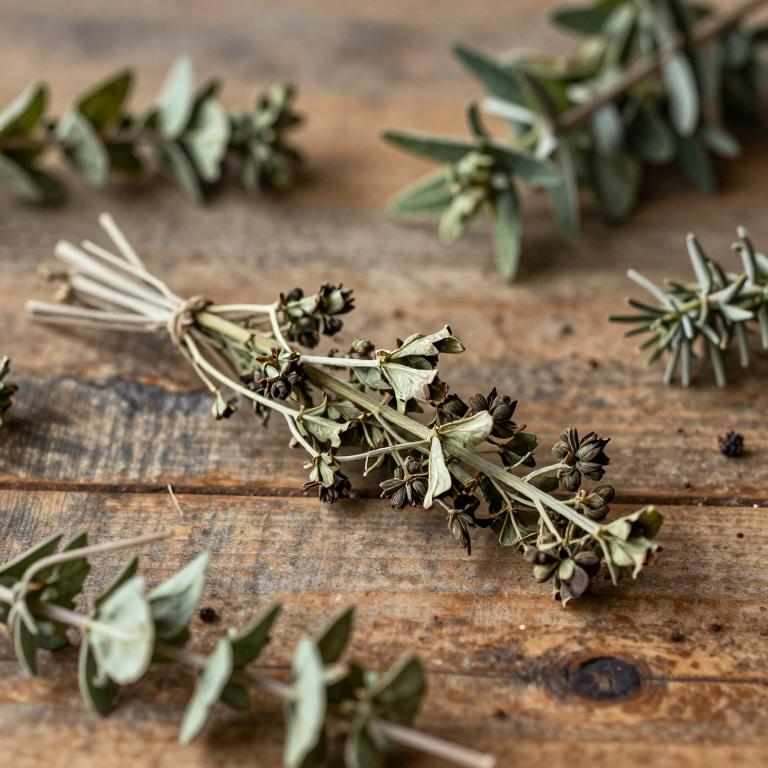
Gigasiphon macrosiphon is a botanical species that has garnered significant scientific interest due to its diverse biological profile. Recent investigations have focused on its potent therapeutic potential, specifically highlighting its robust antimicrobial and antioxidant activities. These properties suggest that the plant could serve as a valuable source of bioactive compounds for pharmaceutical development. Notably, research has demonstrated its effectiveness in targeting harmful pathogens such as E. coli. Consequently, studying this plant offers promising avenues for combating bacterial infections and oxidative stress.
- Synonyms
- Bauhinia Macrosiphon
- Common names
- Not available
- Family
- Fabaceae
- Distribution
- Not available
- Plant Parts
- Not available
Classification
Common Names
Gigasiphon macrosiphon is a distinctive plant widely recognized by its common Chinese name, 长管豆. This species is characterized by its unique structural features that set it apart from other members of its genus. Local communities and botanists alike often refer to it by this specific nomenclature to ensure clear identification. Understanding these linguistic connections helps researchers bridge the gap between scientific classification and regional knowledge. Such terminology provides a vital link in documenting the diverse botanical relationships found across different landscapes.
Sources: Catalogue of Life (COL)
Synonyms
Gigasiphon macrosiphon is a botanical species that is frequently identified by its alternative taxonomic name, Bauhinia macrosiphon. This synonymy highlights the evolving nature of plant classification as researchers refine the relationships between different genera. While the names may differ depending on the scientific literature used, they both refer to the exact same organism. Understanding these nomenclatural connections is essential for botanists seeking to maintain accurate records of plant diversity. Consequently, recognizing both terms ensures clarity when studying the unique characteristics of this specific plant.
Sources: The World Checklist of Vascular Plants (WCVP)
Taxonomy
Gigasiphon macrosiphon is a fascinating member of the kingdom Plantae that exhibits unique biological characteristics. This plant belongs to the class Equisetopsida and is classified within the order Fabales. Further narrowing its biological lineage, it is a part of the diverse family Fabaceae. It is specifically identified by its unique genus, which is also named Gigasiphon. Understanding these taxonomic relationships provides essential insight into the evolutionary history of this species.
| Rank | Classification |
|---|---|
| Kingdom | Plantae |
| Phylum | Streptophyta |
| Class | Equisetopsida |
| Subclass | Magnoliidae |
| Order | Fabales |
| Family | Fabaceae |
| Genus | Gigasiphon |
Sources: The World Checklist of Vascular Plants (WCVP)
Distribution
Geographic Regions
Gigasiphon macrosiphon is a notable plant species primarily found throughout the vast landscapes of Africa. Within the continent, its presence is most concentrated in the region of East Tropical Africa. Specifically, this plant can be identified growing within the borders of Kenya. It also maintains a significant distribution across the territory of Tanzania. These regional patterns highlight the specific ecological niches that the species occupies within the eastern part of the continent.
Sources: The World Checklist of Vascular Plants (WCVP)
Identification
Morphology
Gigasiphon macrosiphon is distinguished by its impressive growth form, which allows it to develop into a sturdy tree.
Sources: Global Inventory of Floras and Traits (GIFT)
Biological Activities
Gigasiphon macrosiphon stands out as a significant indigenous Kenyan plant species with remarkable therapeutic potential. Recent studies into its biochemical characterization reveal that it is a rich source of bioactive metabolites, including chlorophylls, carotenoids, and phenols. These components contribute to the plant's high antioxidant activity, which has been confirmed through TEAC, DPPH, and FRAP assays. Furthermore, the species demonstrates effective antimicrobial activity against a variety of pathogens. Specifically, it has shown the ability to combat both Gram-negative bacteria like E. coli and Gram-positive bacteria such as S. aureus and B. subtilis.
Compounds
Conditions
Gigasiphon macrosiphon demonstrates significant antimicrobial potential against several different types of bacteria. Specifically, this indigenous Kenyan plant has been shown to treat the Gram-negative bacterium E. coli. Its medicinal properties also extend to combating Gram-positive pathogens, including S. aureus. Furthermore, the plant effectively treats B. subtilis through its demonstrated antimicrobial activity. These findings highlight the ability of G. macrosiphon to target a diverse range of bacterial threats.