Geranium
Geranium · Accepted scientific name
Scientific literature: Very Sparse (0 studies) · ★☆☆☆☆
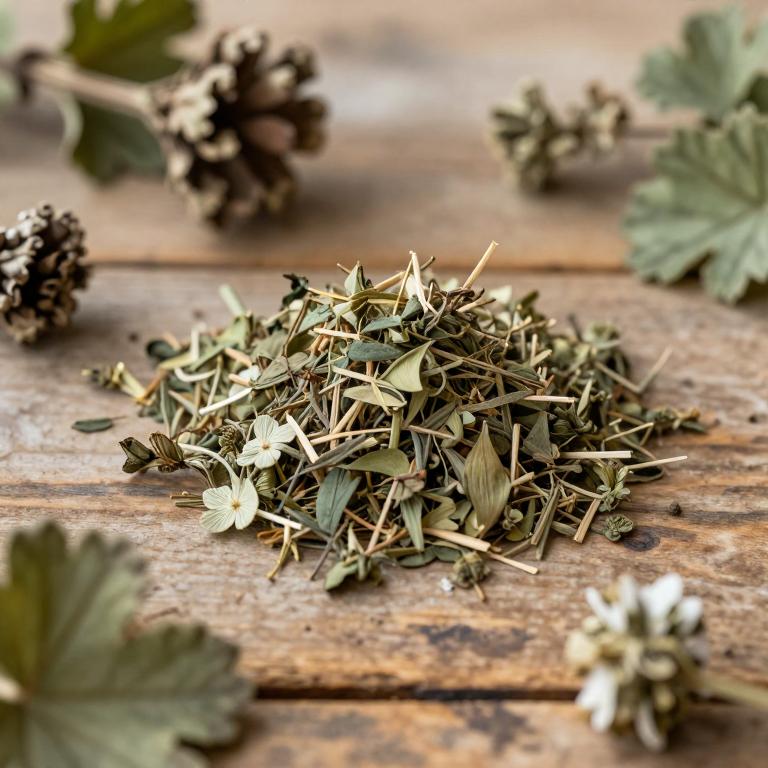
Geranium is a versatile plant renowned for its aromatic profile, which is largely driven by key chemical compounds such as geraniol and citronellol. These fragrant elements are frequently extracted through various preparations, including essential oils and specialized oils. Beyond its scent, scientific interest has focused on how its constituents might influence biological markers like interleukin-6 or address conditions such as hypertension and atherosclerosis. Furthermore, research explores its potential properties in relation to microbial challenges like Escherichia coli and the presence of minerals like calcium and copper. This multifaceted nature makes the plant a significant subject in both aromatherapy and medicinal studies.
- Synonyms
- Neurophyllodes · Robertium · 2 more
- Common names
- Not available
- Family
- Geraniaceae
- Distribution
- Africa
- Plant Parts
- Not available
Classification
Common Names
Geranium is a versatile plant known by a diverse array of names across different cultures and languages. In Poland, it is frequently referred to by the common name Bodziszek, while in Vietnam, it is recognized as Chi Mỏ hạc. English speakers often identify this genus as Cranebills due to the distinct shape of its seed pods. The plant also holds linguistic roots in other traditions, such as the name Crobh fola. Additionally, it carries the Navajo name Dahįįtííhídą́ą́'tsó, illustrating its global presence and cultural significance.
Sources: Catalogue of Life (COL)
Synonyms
Geranium is a diverse genus that has been identified by various botanical synonyms throughout history. For instance, the term Geranion has been used to refer to members of this plant group. Similarly, the names Geraniopsis and Neurophyllodes serve as alternative classifications within taxonomic studies. Some historical records even categorize these specimens under the synonym Robertium. Understanding these overlapping names is essential for anyone studying the complex lineage of this popular plant.
Sources: The World Checklist of Vascular Plants (WCVP)
Taxonomy
Geranium belongs to the expansive kingdom Plantae, showcasing the diverse beauty found within the natural world. Within this kingdom, it is classified under the class Equisetopsida and falls into the specific order Geraniales. This plant is a member of the Geraniaceae family, which groups it with many other striking flowering species. At a more specific level, it is defined by its own namesake genus, Geranium. Understanding these hierarchical relationships provides a clear picture of the plant's unique biological identity.
| Rank | Classification |
|---|---|
| Kingdom | Plantae |
| Phylum | Streptophyta |
| Class | Equisetopsida |
| Subclass | Magnoliidae |
| Order | Geraniales |
| Family | Geraniaceae |
| Genus | Geranium |
Sources: The World Checklist of Vascular Plants (WCVP)
Distribution
Geographic Regions
Geranium displays a widespread distribution across several distinct regions within the African continent. In East Tropical Africa, the species can be found thriving in the diverse landscapes of Kenya, Tanzania, and Uganda. Beyond the mainland, the plant also extends its reach to the Atlantic islands of Macaronesia. Specifically, it inhabits the lush environments of the Azores as well as the Canary Islands. This broad geographic range highlights the plant's adaptability to varying island and continental ecosystems.
Sources: The World Checklist of Vascular Plants (WCVP)
Identification
Biological Activities
Compounds
Geranium essential oil is a complex botanical resource characterized by several key chemical constituents. Scientific analysis identifies geraniol and citronellol as major components that maintain high standards for international trade. Additionally, research into herbal medicinal formulations has utilized geranium alongside carvacrol to create effective topical treatments. These specific compounds contribute to the plant's diverse applications, ranging from antioxidant properties to parasitic control. Ultimately, the presence of these chemical markers defines the therapeutic and commercial value of the geranium plant.
Conditions
Geranium essential oils demonstrate significant antibacterial properties by effectively treating pathogens such as Escherichia coli and Staphylococcus aureus. These oils also serve as powerful anti-inflammatory agents that treat oxidative stress and inflammation induced by Ox-LDL. Furthermore, the plant's compounds work to treat systemic inflammation by downregulating key pro-inflammatory cytokines, specifically Interleukin-6 and TNF-α. Through these diverse biological actions, geranium components actively mitigate cellular damage and microbial growth. This multifaceted approach highlights the plant's ability to treat both infectious and inflammatory physiological responses.
Preparations
Geranium is prepared as essential oils, which are analyzed for their enantiomeric composition to determine origin authenticity. Research indicates that geranium is prepared as EOs to study their acaricidal activity against tick larvae and unfed adults. The plant is also prepared as an essential oil for use in food and pharmaceutical manufacturing due to its various biological activities. Specifically, geranium EO is characterized by main active constituents such as citronellol and geraniol. Ultimately, geranium is prepared as essential oils to explore their potential as environmentally friendly alternatives to chemical acaricides.