Geranium koreanum
Geranium koreanum · Accepted scientific name
Scientific literature: Very Sparse (0 studies) · ★☆☆☆☆
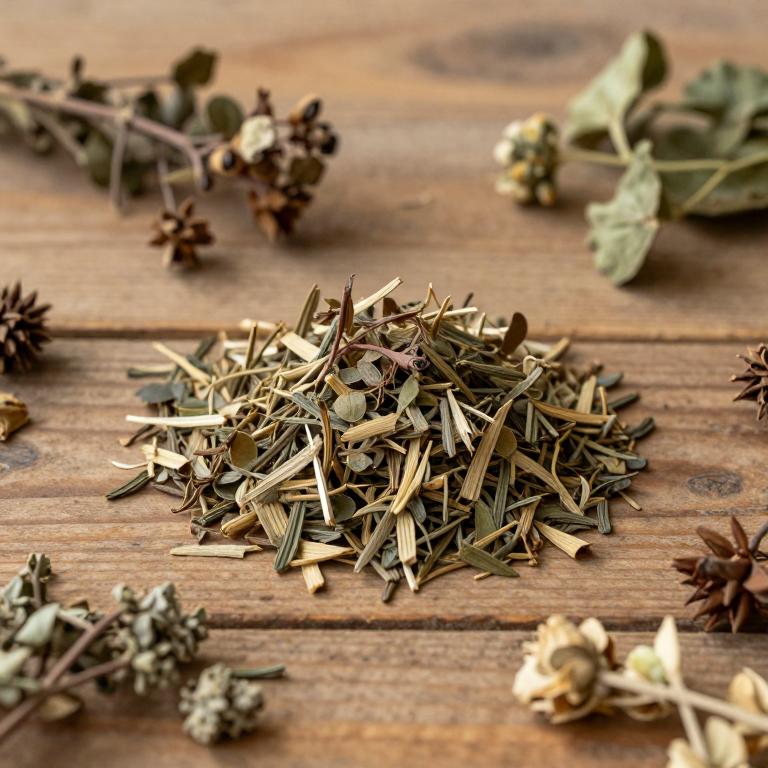
Geranium koreanum is a perennial herb renowned for its delicate flowers and versatile medicinal properties. In traditional herbal practices, the plant is processed into a specific preparation known as Geranii Herba. This botanical remedy is frequently studied for its potential therapeutic benefits in managing various digestive ailments. Specifically, it is often utilized as a natural supportive measure for individuals suffering from the discomfort of gastritis. Understanding its application provides valuable insight into the intersection of traditional herbalism and gastrointestinal health.
- Synonyms
- Geranium Taebaek · Geranium Tsing-Tauense · 6 more
- Common names
- Not available
- Family
- Geraniaceae
- Distribution
- Not available
- Plant Parts
- Not available
Classification
Common Names
Geranium koreanum is a versatile plant known by several distinct common names across different linguistic traditions. In Japanese contexts, it is frequently referred to as ケチョウセンフウロ. It also carries the traditional name 朝鮮老鸛草, reflecting its historical roots. Furthermore, the species is recognized by the Korean name 둥근이질풀. These varied designations highlight the diverse cultural and regional identities this plant holds.
Sources: Catalogue of Life (COL)
Synonyms
Geranium koreanum is a taxonomically complex species that is associated with several different botanical names. It is frequently identified by the synonym Geranium knuthii in various scientific records. The plant also encompasses several specific forms, including Geranium koreanum f. albidum and Geranium koreanum f. hirsutum. Additionally, researchers recognize Geranium koreanum var. hirsutum as a valid synonym for this grouping. Finally, the name Geranium lauschanense is often cited as an alternative designation for this particular plant.
Sources: The World Checklist of Vascular Plants (WCVP)
Taxonomy
Geranium koreanum belongs to the vast kingdom Plantae, representing a diverse group of multicellular organisms. Within this kingdom, the species is classified under the class Equisetopsida. It further resides in the order Geraniales, which dictates many of its botanical characteristics. This plant is a member of the Geraniaceae family, a group known for its distinct floral structures. Finally, it is categorized under the genus Geranium, linking it to many other well-known flowering perennials.
| Rank | Classification |
|---|---|
| Kingdom | Plantae |
| Phylum | Streptophyta |
| Class | Equisetopsida |
| Subclass | Magnoliidae |
| Order | Geraniales |
| Family | Geraniaceae |
| Genus | Geranium |
Sources: The World Checklist of Vascular Plants (WCVP)
Distribution
Geographic Regions
Geranium koreanum is a resilient species primarily found across the diverse landscapes of the Asia-Temperate region. Its natural range extends through significant portions of China, including the North-Central territories. The plant also thrives within the Manchuria region, showcasing its ability to adapt to varying local climates. Furthermore, it maintains a strong presence throughout Eastern Asia, particularly within the Korean peninsula. This widespread distribution highlights the botanical importance of the species across these interconnected Asian environments.
Sources: The World Checklist of Vascular Plants (WCVP)
Identification
Morphology
Geranium koreanum is characterized by its distinctive herb growth form. This plant remains entirely self-supporting as it establishes itself in its natural habitat.
Sources: Global Inventory of Floras and Traits (GIFT)
Biological Activities
Compounds
Conditions
Geranium koreanum demonstrates significant therapeutic potential by treating gastritis-induced mice through various anti-inflammatory mechanisms. This medicinal plant effectively treats HCl/EtOH-induced gastritis by reducing the expression of inflammatory mediators in gastric tissue. Furthermore, the plant serves to treat gastric mucosal damage by lowering the ulcer ratio and preventing inflammatory cell infiltration. Its ability to treat gastric mucosal injury makes it a promising candidate for gastro-protective applications. Ultimately, the research confirms that Geranium koreanum treats gastritis by ameliorating the physiological symptoms associated with the condition.
Preparations
Geranium koreanum is prepared as the traditional medicinal plant known as Geranii Herba. This specific preparation is widely utilized in Korea and northeast China for treating various gastrointestinal inflammation disorders. Research indicates that Geranii Herba can effectively ameliorate gastric mucosal injury caused by gastritis. By using Geranium koreanum to create this herbal remedy, the ulcer ratio and inflammatory cell infiltration in the gastric mucosa can be reduced. Ultimately, the preparation of Geranii Herba from Geranium koreanum serves as a potential natural preventive medicine for gastritis treatment.