Gentianella pygmaea
Gentianella pygmaea · Accepted scientific name
Scientific literature: Very Sparse (0 studies) · ★☆☆☆☆
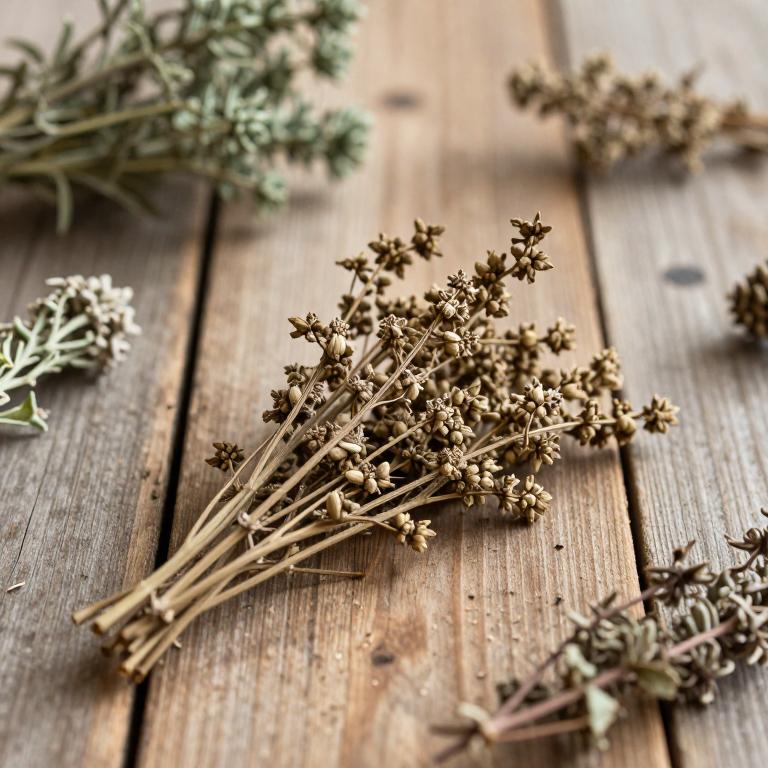
Gentianella pygmaea, commonly known as the pygmy gentian, is a delicate herbaceous plant recognized by its diminutive stature and vibrant floral displays. This species is typically harvested and utilized in its whole plant form for various botanical applications. Found in specific ecological niches, it plays a unique role in its native habitat's biodiversity. Collectors and researchers often seek out the entire organism to ensure all bioactive components are preserved. Understanding the characteristics of this small but significant plant is essential for its proper study and use.
- Synonyms
- Gentiana Thomsonii · Gentiana Saposhnikovii · 4 more
- Common names
- Not available
- Family
- Gentianaceae
- Distribution
- Not available
- Plant Parts
- Not available
Classification
Common Names
Gentianella pygmaea is a unique botanical species known by various names across different linguistic landscapes. In Russian-speaking regions, it is affectionately referred to by its common name, Горечавочка маленькая. Meanwhile, those studying the plant in a Chinese context may recognize it as 矮假龙胆. These diverse naming conventions highlight the global interest in this small but distinct plant. Understanding these linguistic relationships helps enthusiasts and scientists connect with the species regardless of their native tongue.
Sources: Catalogue of Life (COL)
Synonyms
Gentianella pygmaea is a botanical species that has been documented under several different taxonomic names throughout history. Due to evolving classification methods, it is recognized by synonyms such as Aliopsis pygmaea and Gentiana pygmaea. Researchers have also identified it within the genus Gentiana under the names Gentiana saposhnikovii and Gentiana thomsonii. Furthermore, the plant is occasionally referred to as Gentianella saposhnikovii in various scientific records. Understanding these diverse nomenclature relationships is essential for accurate identification in botanical studies.
Sources: The World Checklist of Vascular Plants (WCVP)
Taxonomy
Gentianella pygmaea is a fascinating botanical specimen that belongs to the kingdom Plantae. Within this vast kingdom, it is specifically classified under the class Equisetopsida. This species is a member of the order Gentianales, which helps define its unique biological traits. It further belongs to the family Gentianaceae, showcasing its structural connections to related flora. Finally, its taxonomic identity is solidified by its placement within the genus Gentianella.
| Rank | Classification |
|---|---|
| Kingdom | Plantae |
| Phylum | Streptophyta |
| Class | Equisetopsida |
| Subclass | Magnoliidae |
| Order | Gentianales |
| Family | Gentianaceae |
| Genus | Gentianella |
Sources: The World Checklist of Vascular Plants (WCVP)
Distribution
Geographic Regions
Gentianella pygmaea is a specialized plant species primarily found within the Asia-Temperate region. Its natural distribution spans across the rugged landscapes of Central Asia, including the nations of Kazakhstan, Kyrgyzstan, and Tajikistan. The plant also extends its range into China, where it can be found throughout the South-Central territories. Additionally, specific populations are documented within the unique environment of the Qinghai province. This wide geographical spread highlights the plant's ability to thrive across diverse high-altitude terrains.
Sources: The World Checklist of Vascular Plants (WCVP)
Identification
Morphology
Gentianella pygmaea is a diminutive herb that thrives in its natural habitat. This self-supporting plant is characterized by its exceptionally small stature. Its height typically ranges from a minimum of 0.01 m to as little as 0.02 m. In most instances, the plant reaches a maximum height of only 0.03 m. Such compact proportions allow this species to maintain its delicate presence within its ecosystem.
Sources: Global Inventory of Floras and Traits (GIFT)
Biological Activities
Compounds
Conditions
Preparations
Gentianella pygmaea is prepared as whole plants for the purpose of medicinal herb research. These entire plant specimens serve as the source for isolating three new irregular terpenoids named gentianellins A-C. By utilizing the whole plant material, researchers successfully extracted these compounds alongside two known analogues. The isolation process from the whole plant allows for the structural elucidation of these specific chemical constituents through spectroscopic analysis. Ultimately, using the whole plants facilitates the study of the moderate anti-inflammatory activity found within these isolated terpenoids.