Gentianella nitida
Gentianella nitida · Accepted scientific name
Scientific literature: Very Sparse (0 studies) · ★☆☆☆☆
Gentianella nitida is a specialized flowering plant known for its unique botanical characteristics. This species is particularly notable for containing the specific chemical compound known as Nitiol. Found in specific ecological niches, the plant plays a distinct role within its local environment. Researchers study its chemical makeup to better understand its biological functions and potential applications. Understanding the relationship between its unique chemistry and growth patterns remains a key area of interest.
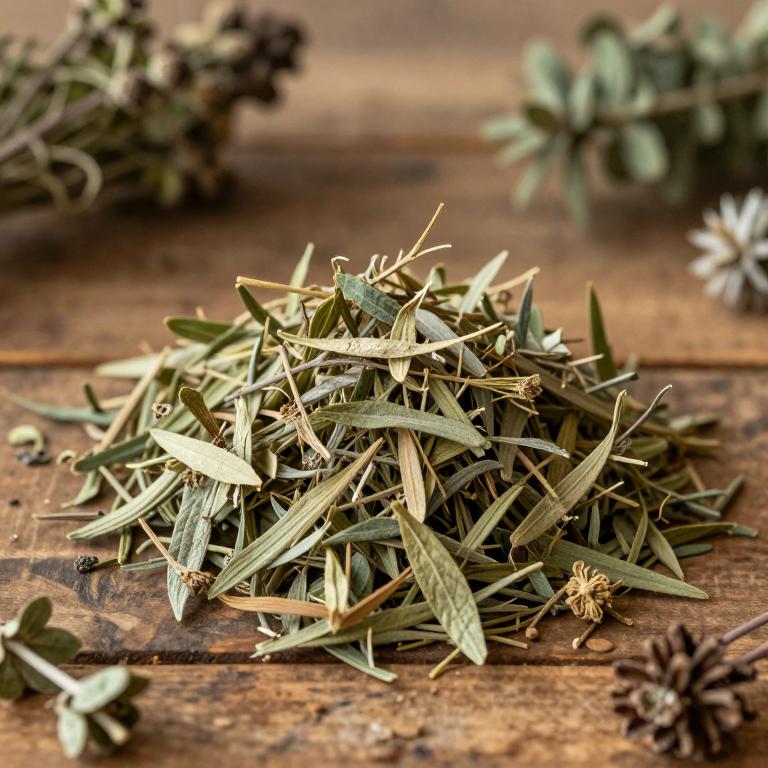
- Synonyms
- Gentiana Nitida
- Common names
- Not available
- Family
- Gentianaceae
- Distribution
- Not available
- Plant Parts
- Not available
Classification
Synonyms
Gentianella nitida is a distinctive botanical species that is frequently identified in various scientific databases. Within the complex world of plant taxonomy, it is important to note that this plant is also recognized by its synonym, Gentiana nitida. This nomenclatural overlap can sometimes lead to confusion for researchers and enthusiasts navigating botanical literature. However, understanding these linguistic connections ensures that the plant is accurately tracked across different studies. Recognizing both names allows for a more cohesive approach to studying its unique characteristics and habitat.
Sources: The World Checklist of Vascular Plants (WCVP)
Taxonomy
Gentianella nitida is a remarkable member of the kingdom Plantae that showcases the intricate complexity of biological classification. Within this vast kingdom, the species is categorized under the class Equisetopsida and the order Gentianales. It further belongs to the distinct family Gentianaceae, which defines many of its unique morphological traits. As a representative of the genus Gentianella, this plant shares specific evolutionary characteristics with its closest relatives. Understanding these hierarchical relationships provides essential insight into the botanical identity of this unique specimen.
| Rank | Classification |
|---|---|
| Kingdom | Plantae |
| Phylum | Streptophyta |
| Class | Equisetopsida |
| Subclass | Magnoliidae |
| Order | Gentianales |
| Family | Gentianaceae |
| Genus | Gentianella |
Sources: The World Checklist of Vascular Plants (WCVP)
Distribution
Geographic Regions
Gentianella nitida is a specialized plant species primarily found within the diverse landscapes of South America. Its geographic range is notably concentrated in the western regions of the continent, where it thrives in specific ecological niches. Within these habitats, the plant is most prominently documented throughout the unique terrain of Peru. This distribution highlights its reliance on the particular environmental conditions found in these high-altitude or specialized zones. Understanding its presence in these areas provides vital insight into the botanical richness of the western South American wilderness.
Sources: The World Checklist of Vascular Plants (WCVP)
Identification
Morphology
Gentianella nitida is a self-supporting plant characterized by its distinct herb growth form. This structure allows the species to maintain its upright position within its natural habitat.
Sources: Global Inventory of Floras and Traits (GIFT)
Biological Activities
Compounds
Gentianella nitida is a plant utilized in the Peruvian folk medicine known as Hercampuri. Researchers have successfully isolated a novel sesterterpenoid from this species called nitiol. This specific compound has demonstrated significant biological potential in laboratory settings. Specifically, nitiol acts as a potent enhancer of IL-2 gene expression within human T cell lines. The chemical structure of this unique substance was determined through extensive spectroscopic investigation.
Conditions
Gentianella nitida, a plant used in the Peruvian folk medicine known as "Hercampuri," contains a novel sesterterpenoid called nitiol. This specific compound serves as a potent enhancer of IL-2 gene expression within a human T cell line. Researchers isolated nitiol from the plant to study its unique biochemical properties. Extensive spectroscopic investigation was utilized to successfully elucidate its complex molecular structure. Consequently, the plant demonstrates significant potential in modulating immune-related gene activities through this isolated sesterterpenoid.