Himalayan gentian
Gentiana kurroo · Accepted scientific name
Scientific literature: Very Sparse (36 studies) · ★☆☆☆☆
Himalayan gentian, scientifically known as Gentiana kurroo, is a perennial herb native to the high-altitude regions of the Himalayas. Renowned in traditional Ayurvedic medicine, its bitter roots possess potent therapeutic properties, primarily used to stimulate digestion, treat liver ailments, and alleviate various gastrointestinal disorders through their restorative bioactive compounds.
- Family
- Gentianaceae
- Native range
- Asia-Temperate
- Parts used
- Flower · Leaf
- Common names
- Himalayan Gentian
- Scientific synonyms
- Tretorhiza Kurroo · Pneumonanthe Kurroo · 1 more
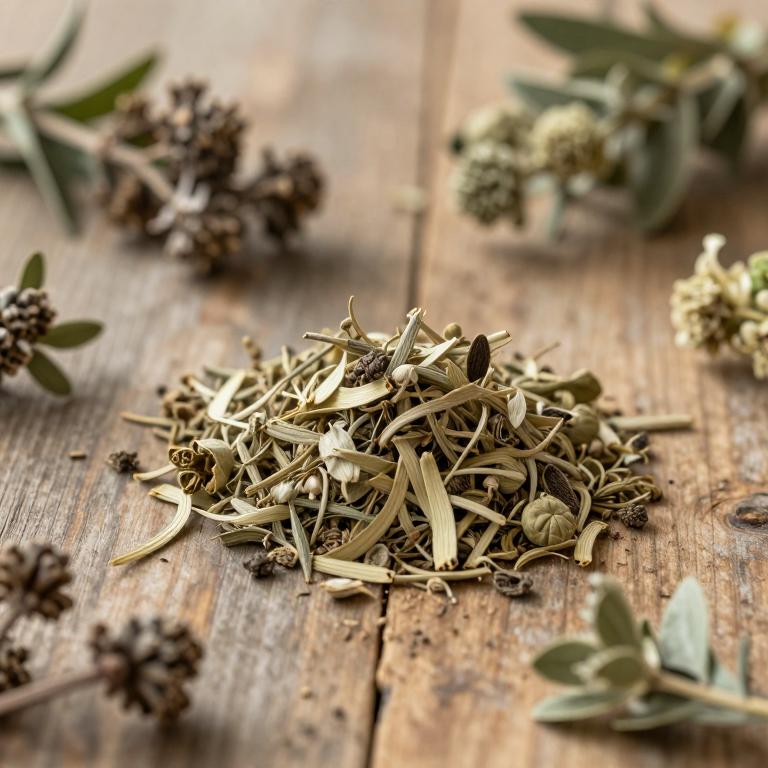
Names and Synonyms
Common Names
- Himalayan gentian
Scientific Names
Accepted name
Gentiana kurrooSynonyms
- Tretorhiza kurroo
- Pneumonanthe kurroo
- Gentianodes kurroo
Sources: Wikidata, Catalogue of Life
Taxonomical Classification
This plant belongs to the kingdom Plantae and is classified under the phylum Streptophyta and class Equisetopsida. Within the subclass Magnoliidae and order Gentianales, it is a member of the family Gentianaceae. Finally, it is specifically categorized under the genus Gentiana.
| Rank | Classification |
|---|---|
| Kingdom | Plantae |
| Phylum | Streptophyta |
| Class | Equisetopsida |
| Subclass | Magnoliidae |
| Order | Gentianales |
| Family | Gentianaceae |
| Genus | Gentiana |
Sources: The World Checklist of Vascular Plants (WCVP)
Distribution
This plant exhibits a specific geographical distribution across parts of Asia. In Western Asia, it can be found growing within the borders of Afghanistan. Moving toward the Indian Subcontinent, its presence is also noted in Pakistan. Furthermore, it is widely distributed throughout the West Himalaya region of the Indian Subcontinent. These distinct locations define the natural habitat where the species thrives.
| Region | Area |
|---|---|
| Western Asia | Afghanistan |
| Indian Subcontinent | Pakistan |
| Indian Subcontinent | West Himalaya |
Sources: The World Checklist of Vascular Plants (WCVP)
Botanical Identification
Life history
The life history of Gentiana kurroo is characterized by its status as a perennial herb, a trait that allows it to persist through multiple growing seasons in its natural montane habitats. As a perennial species, it develops a robust, woody rhizome that serves as a primary storage organ, enabling the plant to survive unfavorable environmental conditions and regrow during favorable periods. Its developmental cycle involves a period of vegetative growth where it establishes a leafy rosette, followed by a reproductive phase marked by the emergence of erect stems bearing characteristic blue or pale flowers. This long-lived lifecycle is essential for its survival in the high-altitude regions it inhabits, where its ability to endure seasonal fluctuations ensures continued presence in the ecosystem.
- Lifecycle :
- annual
Morphology
The morphology of Gentiana kurroo is characterized by its growth form as a perennial herb. It functions as an independent organism, exhibiting no parasitic behavior toward other plants. Structurally, the plant is non-woody, maintaining a soft, herbaceous consistency throughout its stems and tissues. While some species in similar ecological niches may exhibit climbing tendencies, this plant is categorized as a self-supporting herb, meaning it does not require external structures for support and maintains its upright posture through its own physiological rigidity.
- Climber :
- self-supporting
- Growth form :
- herb
- Parasite :
- independent
- Woodiness :
- non-woody
Reproduction
The reproduction of Gentiana kurroo is characterized by a specific seasonal flowering cycle that dictates its reproductive success. The flowering period for this species is notably extensive, typically beginning in September and continuing through to October, though the exact timing can be variable depending on environmental conditions. This seasonal window allows for the development and dispersal of reproductive structures essential for the continuation of the species.
- Flowering time :
- Sep
- Flowering time :
- Oct
Sources: Global Inventory of Floras and Traits (GIFT)
Plant Parts
Gentiana kurroo has 3 reported plant parts identified across 3 scientific publications and several other databases that are studied for medicinal purposes. The most consistently reported plant part include flower, leaf, root.
| Plant part | Supporting sources | Consensus |
|---|---|---|
| Flower | 1 supporting sources | ★☆☆☆☆ |
| Leaf | 1 supporting sources | ★☆☆☆☆ |
| Root | 1 supporting sources | ★☆☆☆☆ |
Flower
- Journal of ethnopharmacology
Leaf
- Die Pharmazie
Root
- Journal of ethnopharmacology
Chemicals
Gentiana kurroo has 11 reported phytochemicals identified across 3 scientific publications and several other databases. The most consistently reported chemicals include Chettaphanin I, Crassifolin B, Crassifolin L, Cyperenoic acid, Gentiopicroside.
| Chemical | Supporting sources | Consensus |
|---|---|---|
| Chettaphanin I | 1 supporting sources | ★☆☆☆☆ |
| Crassifolin B | 1 supporting sources | ★☆☆☆☆ |
| Crassifolin L | 1 supporting sources | ★☆☆☆☆ |
| Cyperenoic acid | 1 supporting sources | ★☆☆☆☆ |
| Gentiopicroside | 1 supporting sources | ★☆☆☆☆ |
| Lupeol | 1 supporting sources | ★☆☆☆☆ |
| Methyl 9-(furan-3-yl)-2,7,13-trimethyl-4-oxo-10-oxatricyclo[5.3.3.01,6]trideca-5,8-diene-2-carboxylate | 1 supporting sources | ★☆☆☆☆ |
| Sweroside | 1 supporting sources | ★☆☆☆☆ |
| Swertiamarin | 1 supporting sources | ★☆☆☆☆ |
| TEUCVIDIN | 1 supporting sources | ★☆☆☆☆ |
Chettaphanin I
- Journal of ethnopharmacology
Crassifolin B
- Journal of ethnopharmacology
Crassifolin L
- Journal of ethnopharmacology
Cyperenoic acid
- Journal of ethnopharmacology
Gentiopicroside
- Journal of ethnopharmacology
Lupeol
- European journal of pharmaceutical sciences : official journal of the European Federation for Pharmaceutical Sciences
Methyl 9-(furan-3-yl)-2,7,13-trimethyl-4-oxo-10-oxatricyclo[5.3.3.01,6]trideca-5,8-diene-2-carboxylate
- Journal of ethnopharmacology
Sweroside
- Journal of ethnopharmacology
Swertiamarin
- Journal of ethnopharmacology
TEUCVIDIN
- Journal of ethnopharmacology
Activities
Gentiana kurroo has 4 reported activities identified across 3 scientific publications and several other databases. The most consistently reported activities include Analgesic, Antibacterial, Antioxidant, Immunosuppressant.
| Activity | Supporting sources | Consensus |
|---|---|---|
| Analgesic | 1 supporting sources | ★☆☆☆☆ |
| Antibacterial | 1 supporting sources | ★☆☆☆☆ |
| Antioxidant | 1 supporting sources | ★☆☆☆☆ |
| Immunosuppressant | 1 supporting sources | ★☆☆☆☆ |
Analgesic
- Medicines (Basel, Switzerland)
Antibacterial
- Medicines (Basel, Switzerland)
Antioxidant
- Medicines (Basel, Switzerland)
Immunosuppressant
- ISRN inflammation
Conditions
Gentiana kurroo has 10 reported investigations on conditions identified across 3 scientific publications and several other databases. The most consistently reported conditions include inflammation, analgesic, antioxidant, arthritis, autoimmune diseases.
| Condition | Supporting sources | Consensus |
|---|---|---|
| Inflammation | 2 supporting sources | ★☆☆☆☆ |
| Analgesic | 1 supporting sources | ★☆☆☆☆ |
| Antioxidant | 1 supporting sources | ★☆☆☆☆ |
| Arthritis | 1 supporting sources | ★☆☆☆☆ |
| Autoimmune diseases | 1 supporting sources | ★☆☆☆☆ |
| Fever | 1 supporting sources | ★☆☆☆☆ |
| Gastrointestinal disorders | 1 supporting sources | ★☆☆☆☆ |
| Metabolic diseases | 1 supporting sources | ★☆☆☆☆ |
| Obesity | 1 supporting sources | ★☆☆☆☆ |
| Skin diseases | 1 supporting sources | ★☆☆☆☆ |
Inflammation
- Journal of ethnopharmacology
- ISRN inflammation
Analgesic
- Medicines (Basel, Switzerland)
Antioxidant
- Medicines (Basel, Switzerland)
Arthritis
- ISRN inflammation
Autoimmune diseases
- ISRN inflammation
Fever
- Journal of ethnopharmacology
Gastrointestinal disorders
- Journal of ethnopharmacology
Metabolic diseases
- Journal of ethnopharmacology
Obesity
- Journal of ethnopharmacology
Skin diseases
- Journal of ethnopharmacology
Preparations
Gentiana kurroo has 2 reported preparations identified across 3 scientific publications and several other databases. The most consistently reported preparations include methanolic extracts, root-stock extracts.
| Preparation | Supporting sources | Consensus |
|---|---|---|
| Methanolic extracts | 1 supporting sources | ★☆☆☆☆ |
| Root-stock extracts | 1 supporting sources | ★☆☆☆☆ |
Methanolic extracts
- Journal of ethnopharmacology
Root-stock extracts
- Journal of ethnopharmacology