Genista tournefortii subsp. tournefortii
Genista tournefortii subsp. tournefortii · Accepted scientific name
Scientific literature: Sparse (78 studies) · ★★☆☆☆
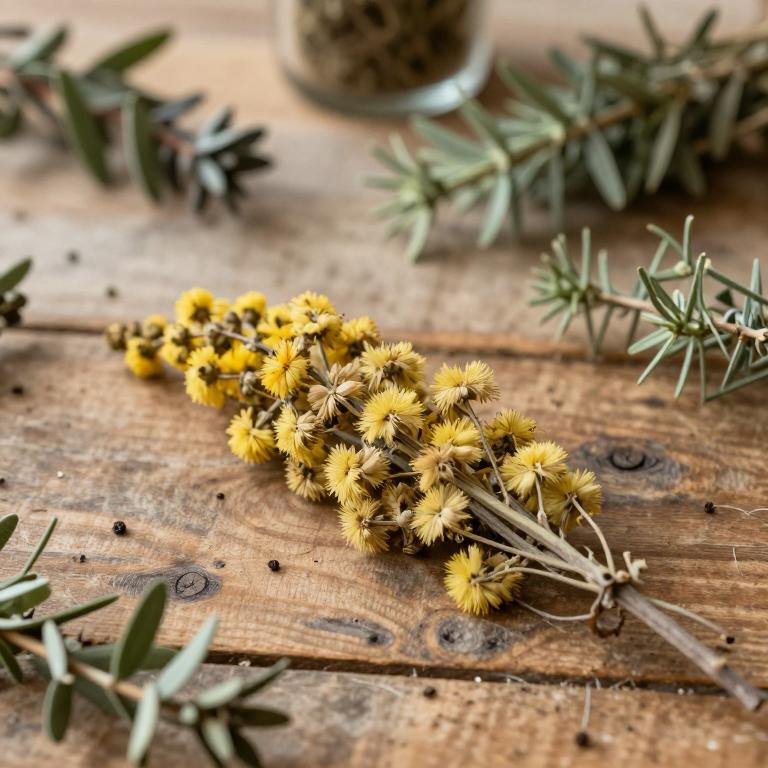
, scientifically known as Genista tournefortii subsp. tournefortii, is a resilient shrub native to the Mediterranean region. Characterized by its vibrant yellow blooms and woody structure, this botanical specimen plays a vital role in local ecosystems. It is frequently studied for its unique phytochemical properties and traditional medicinal applications.
- Family
- Fabaceae
- Native range
- Europe
- Parts used
- Leaf
- Common names
- Not available
- Scientific synonyms
- Genista Tenuispina
Names and Synonyms
Scientific Names
Accepted name
Genista tournefortii subsp. tournefortiiSynonyms
- Genista tenuispina
Sources: Wikidata
Taxonomical Classification
This plant belongs to the kingdom Plantae and is classified within the phylum Streptophyta and the class Equisetopsida. Under the subclass Magnoliidae and the order Fabales, it is further categorized into the family Fabaceae. Finally, its taxonomic identity is defined by the genus Genista, specifically as the subspecies Genista tournefortii subsp. tournefortii.
| Rank | Classification |
|---|---|
| Kingdom | Plantae |
| Phylum | Streptophyta |
| Class | Equisetopsida |
| Subclass | Magnoliidae |
| Order | Fabales |
| Family | Fabaceae |
| Genus | Genista |
Sources: The World Checklist of Vascular Plants (WCVP)
Distribution
This plant is primarily distributed within the specific regions of Southwestern Europe. Its natural habitat is concentrated in the Iberian Peninsula, specifically within the borders of Portugal. Additionally, it can be found growing across various landscapes in Spain. These two countries represent the core geographical range for this particular subspecies. Consequently, its presence is closely tied to the unique environmental conditions of the southwestern European territory.
| Region | Area |
|---|---|
| Southwestern Europe | Portugal |
| Southwestern Europe | Spain |
Sources: The World Checklist of Vascular Plants (WCVP)
Plant Parts
Genista tournefortii subsp. tournefortii has 1 reported plant parts identified across 1 scientific publications and several other databases that are studied for medicinal purposes. The most consistently reported plant part include leaf.
| Plant part | Supporting sources | Consensus |
|---|---|---|
| Leaf | 1 supporting sources | ★☆☆☆☆ |
Leaf
- Toxins
Chemicals
Genista tournefortii subsp. tournefortii has 3 reported phytochemicals identified across 1 scientific publications and several other databases. The most consistently reported chemicals include CYTISINE, N-Methylcytisine, genistein.
| Chemical | Supporting sources | Consensus |
|---|---|---|
| CYTISINE | 1 supporting sources | ★☆☆☆☆ |
| N-Methylcytisine | 1 supporting sources | ★☆☆☆☆ |
| genistein | 1 supporting sources | ★☆☆☆☆ |
CYTISINE
- Toxins
N-Methylcytisine
- Toxins
genistein
- Dr. Duke
Activities
Genista tournefortii subsp. tournefortii has 72 reported activities identified across 1 scientific publications and several other databases. The most consistently reported activities include Abortifacient, Aldose-Reductase-Inhibitor, Alpha-Reductase-Inhibitor, Antiaggregant, Antiangiogenic.
| Activity | Supporting sources | Consensus |
|---|---|---|
| Abortifacient | 1 supporting sources | ★☆☆☆☆ |
| Aldose-Reductase-Inhibitor | 1 supporting sources | ★☆☆☆☆ |
| Alpha-Reductase-Inhibitor | 1 supporting sources | ★☆☆☆☆ |
| Antiaggregant | 1 supporting sources | ★☆☆☆☆ |
| Antiangiogenic | 1 supporting sources | ★☆☆☆☆ |
| Antiatherosclerotic | 1 supporting sources | ★☆☆☆☆ |
| Anticancer (Breast) | 1 supporting sources | ★☆☆☆☆ |
| Anticarcinomic (Breast) | 1 supporting sources | ★☆☆☆☆ |
| Anticlimacteric | 1 supporting sources | ★☆☆☆☆ |
| Antiendoccytotic | 1 supporting sources | ★☆☆☆☆ |
Abortifacient
- Dr. Duke
Aldose-Reductase-Inhibitor
- Dr. Duke
Alpha-Reductase-Inhibitor
- Dr. Duke
Antiaggregant
- Dr. Duke
Antiangiogenic
- Dr. Duke
Antiatherosclerotic
- Dr. Duke
Anticancer (Breast)
- Dr. Duke
Anticarcinomic (Breast)
- Dr. Duke
Anticlimacteric
- Dr. Duke
Antiendoccytotic
- Dr. Duke
Preparations
Genista tournefortii subsp. tournefortii has 1 reported preparations identified across 1 scientific publications and several other databases. The most consistently reported preparations include leaves extract.
| Preparation | Supporting sources | Consensus |
|---|---|---|
| Leaves extract | 1 supporting sources | ★☆☆☆☆ |
Leaves extract
- Toxins