Geissospermum sericeum
Geissospermum sericeum · Accepted scientific name
Scientific literature: Very Sparse (0 studies) · ★☆☆☆☆
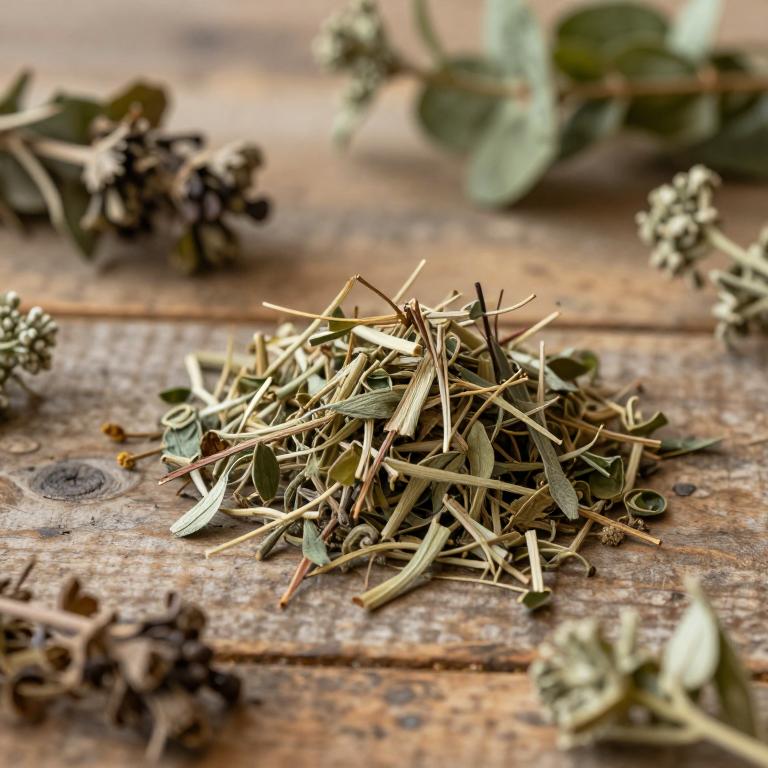
Geissospermum sericeum is a botanical species of significant interest in the field of phytochemical research. The bark of this plant serves as the primary source for various medicinal preparations and chemical extractions. Scientific investigations have identified key bioactive alkaloids within its structure, including 1,2-dehydrogeissoschizoline. Additionally, the presence of geissoschizoline N(4)-oxide highlights the complex chemical profile characteristic of the genus. Understanding these specific constituents is essential for exploring the plant's potential pharmacological applications.
- Synonyms
- Geissospermum Fuscum
- Common names
- Not available
- Family
- Apocynaceae
- Distribution
- Not available
- Plant Parts
- Not available
Classification
Common Names
Geissospermum sericeum is a distinctive plant species known by its common name, kebračovec hodvábny. This name reflects the unique textural qualities that define the plant's physical appearance. Identifying it by this local moniker helps enthusiasts and botanists connect with its specific cultural identity. Understanding these linguistic relationships is essential for anyone studying the regional flora. Such naming conventions bridge the gap between scientific classification and traditional knowledge.
Sources: Catalogue of Life (COL)
Synonyms
Geissospermum sericeum is a botanical species that is frequently discussed within scientific literature. Researchers often encounter this plant under the synonymous name Geissospermum fuscum in various taxonomic databases. This nomenclature overlap can sometimes cause confusion for those studying its specific biological properties. However, identifying these synonyms is essential for maintaining accurate records within botanical collections. Understanding these relational links ensures that scientists are communicating clearly about this particular organism.
Sources: The World Checklist of Vascular Plants (WCVP)
Taxonomy
Geissospermum sericeum is a distinctive botanical specimen belonging to the kingdom Plantae. Within this vast kingdom, it is classified under the class Equisetopsida. This plant is further categorized into the order Gentianales, showcasing its specific evolutionary lineage. It serves as a primary representative of the genus Geissospermum. Finally, it finds its place within the diverse family Apocynaceae.
| Rank | Classification |
|---|---|
| Kingdom | Plantae |
| Phylum | Streptophyta |
| Class | Equisetopsida |
| Subclass | Magnoliidae |
| Order | Gentianales |
| Family | Apocynaceae |
| Genus | Geissospermum |
Sources: The World Checklist of Vascular Plants (WCVP)
Distribution
Geographic Regions
Geissospermum sericeum is a plant species primarily distributed throughout the diverse landscapes of South America. Its range extends across large portions of Brazil, specifically including the northern and northeastern regions of the country. Beyond Brazil, the species is widely found throughout Northern South America, establishing a significant presence in the tropical territories of French Guiana. It also thrives within the natural habitats of Guyana and Suriname, showcasing its adaptability to the regional climate. This widespread distribution highlights the plant's ecological importance across various South American ecosystems.
Sources: The World Checklist of Vascular Plants (WCVP)
Identification
Morphology
Geissospermum sericeum is a self-supporting plant that takes the form of a tree. It is characterized by a sturdy structure that allows it to grow independently in its natural habitat. This species typically reaches a maximum height of 15 meters.
Sources: Global Inventory of Floras and Traits (GIFT)
Biological Activities
Compounds
Geissospermum sericeum is a botanical source rich in diverse chemical compounds. Research conducted on its bark has successfully identified the presence of several significant alkaloids. Specifically, the plant contains the indole alkaloid geissoschizoline along with its various derivatives. In addition to these indole compounds, the species also yields the beta-carboline alkaloid known as flavopereirine. These chemical relationships highlight the plant's complex profile and its potential for pharmacological study.
Conditions
Preparations
Geissospermum sericeum is prepared as bark to facilitate the extraction of specific chemical compounds. This botanical material serves as the source for indole alkaloids such as geissoschizoline and its derivatives. Additionally, the bark yields the beta-carboline alkaloid flavopereirine during the preparation process. Researchers utilize these bark-derived substances to evaluate antiplasmodial activity against Plasmodium falciparum. The chemical profile obtained from the bark is essential for studying the plant's potential medicinal properties.