Gaultheria
Gaultheria · Accepted scientific name
Scientific literature: Very Sparse (0 studies) · ★☆☆☆☆
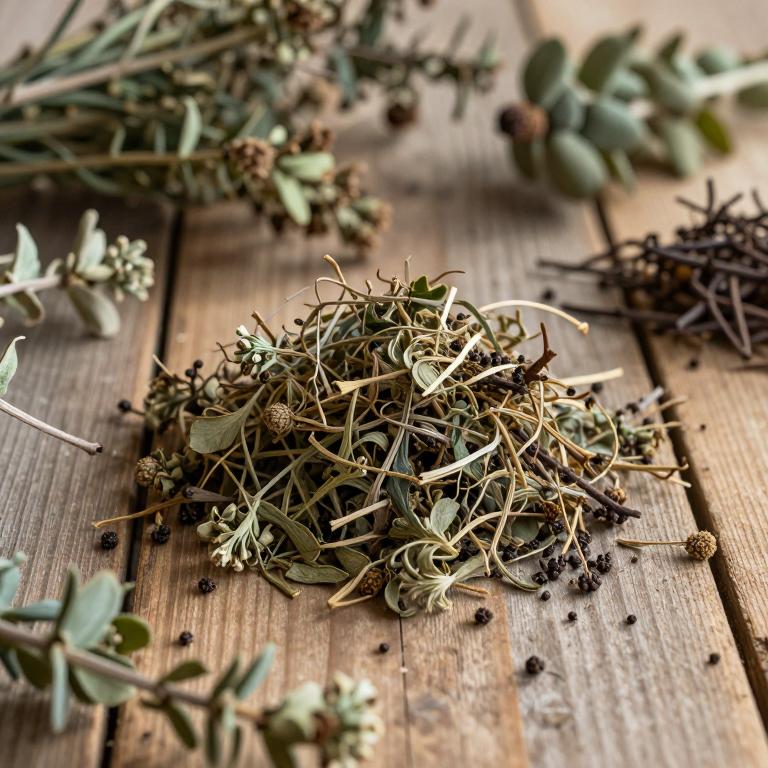
Gaultheria is a fascinating genus of plants known for their unique medicinal properties. These plants contain significant amounts of methyl salicylate, a compound often used for its therapeutic effects. Because of this chemical makeup, they are frequently studied for their ability to soothe various health conditions. They are particularly valued for addressing respiratory issues such as asthma and stubborn coughs. Additionally, the extracts from these plants are widely utilized to combat systemic inflammation.
- Synonyms
- Tepuia · Pernettyopsis · 13 more
- Common names
- Not available
- Family
- Ericaceae
- Distribution
- Not available
- Plant Parts
- Not available
Classification
Common Names
Gaultheria is a versatile genus that is recognized by a diverse array of regional names across the globe. In some parts of Europe, it is affectionately referred to as Bruknuolė or Rebhuhnbeeren. It is also known by the descriptive name Scheinbeeren, which highlights its unique appearance. In certain Spanish-speaking regions, the plant is identified as capulincillos y arrayanes. Finally, the genus is often simply called gaultéria, reflecting its botanical heritage.
Sources: Catalogue of Life (COL)
Synonyms
Gaultheria is a diverse genus that has historically been associated with several different botanical names. Due to various taxonomic revisions, it has been linked to synonyms such as Amphicalyx and Brossaea. The genus also shares nomenclature ties with Chiogenes and Diplycosia in certain scientific contexts. Furthermore, the name Gautiera has been recognized as a synonym within this complex group of plants. Understanding these relationships is essential for anyone studying the evolving classification of these species.
Sources: The World Checklist of Vascular Plants (WCVP)
Taxonomy
Gaultheria belongs to the vast kingdom Plantae, encompassing a diverse array of green, photosynthetic organisms. Within this kingdom, it is classified under the class Equisetopsida, marking its place among the fundamental vascular plants. This specific lineage continues through the order Ericales, which provides a framework for its evolutionary development. Further specialization places the plant into the family Ericaceae, a group known for its unique botanical characteristics. Ultimately, these taxonomic layers culminate in its designation under the specific genus Gaultheria.
| Rank | Classification |
|---|---|
| Kingdom | Plantae |
| Phylum | Streptophyta |
| Class | Equisetopsida |
| Subclass | Magnoliidae |
| Order | Ericales |
| Family | Ericaceae |
| Genus | Gaultheria |
Sources: The World Checklist of Vascular Plants (WCVP)
Distribution
Geographic Regions
Gaultheria exhibits a remarkably diverse geographical distribution that spans multiple continents and climates. This genus can be found in the rugged terrains of Antarctica, the Subantarctic Islands, and the Falkland Islands. Moving into the Northern Hemisphere, the plants are widely established across Asia-Temperate regions. Specifically, they thrive throughout various parts of China, including the South-Central, Southeast, and Tibetan territories. Additionally, the genus maintains a significant presence in Eastern Asia, with notable populations found in Japan.
Sources: The World Checklist of Vascular Plants (WCVP)
Identification
Biological Activities
Compounds
Gaultheria species play a significant role in the traditional medicinal practices of the Yi ethnic people. These plants are frequently utilized to address respiratory diseases, rheumatic pain, and various forms of physical trauma. A key distinction in their chemical makeup is found within their volatile oils, which vary significantly between different genera. Specifically, Gaultheria is characterized by being rich in methyl salicylate, a compound known for its therapeutic properties. This unique chemical profile contributes to the broad spectrum of anti-inflammatory and analgesic effects observed in these Ericaceae plants.
Conditions
Gaultheria belongs to a group of poisonous Ericaceae genera that possess significant medicinal properties. This plant is utilized in Chinese herbal medicine to effectively treat asthma. It also serves as a remedy for soothing persistent coughs. Additionally, the genus is recognized for its ability to treat various types of inflammation. These specific therapeutic applications highlight the diverse medical functions found within the species.