Gardenia thailandica
Gardenia thailandica · Accepted scientific name
Scientific literature: Very Sparse (4 studies) · ★☆☆☆☆
, scientifically known as Gardenia thailandica, is a captivating medicinal shrub native to Southeast Asia. Renowned for its fragrant, creamy white blooms, this plant is highly valued in traditional medicine. It possesses potent antioxidant and anti-inflammatory properties, often utilized to support digestive health and soothe skin irritations naturally.
- Family
- Rubiaceae
- Native range
- Asia-Tropical
- Parts used
- Leaf
- Common names
- Not available
- Scientific synonyms
- Not available
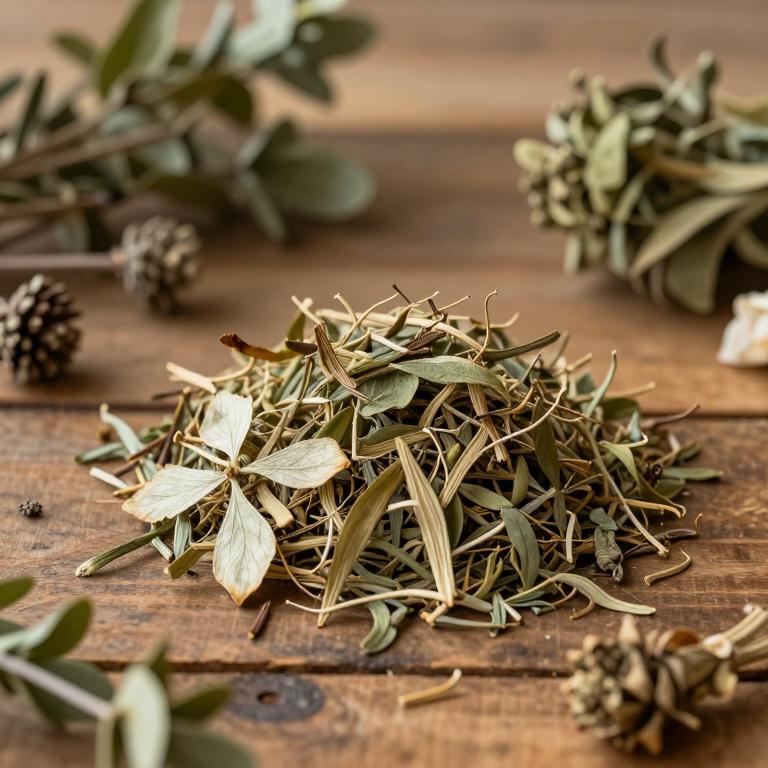
Names and Synonyms
Scientific Names
Accepted name
Gardenia thailandicaSources: Wikidata, Catalogue of Life
Taxonomical Classification
This plant, known as Gardenia thailandica, belongs to the kingdom Plantae and the phylum Streptophyta. Within the class Equisetopsida and subclass Magnoliidae, it is categorized under the order Gentianaales. Ultimately, it is a member of the Rubiaceae family and the genus Gardenia.
| Rank | Classification |
|---|---|
| Kingdom | Plantae |
| Phylum | Streptophyta |
| Class | Equisetopsida |
| Subclass | Magnoliidae |
| Order | Gentianales |
| Family | Rubiaceae |
| Genus | Gardenia |
Sources: The World Checklist of Vascular Plants (WCVP)
Distribution
This plant, known scientifically as Gardenia thailandica, possesses a very specific and localized geographical distribution. Its natural habitat is primarily confined to the Indo-China region. Within this broad area, the species is specifically documented as being native to Thailand. Because its range is so concentrated, it is considered an important regional component of the local flora. Understanding this limited occurrence is essential for the conservation of the species in its native environment.
| Region | Area |
|---|---|
| Indo-China | Thailand |
Sources: The World Checklist of Vascular Plants (WCVP)
Botanical Identification
Life history
The life history of Gardenia thailandica is characterized by its classification as a phanerophyte, a life form where the perennating buds are located high above the ground on aerial stems. Within this botanical framework, it specifically exhibits traits consistent with both the nanophanerophyte and phanerophyte categories, indicating a growth habit that maintains its reproductive and survival structures on woody branches that extend beyond the soil surface. As a phanerophyte, the plant demonstrates a perennial life strategy, relying on its elevated woody structure to protect its vital buds from seasonal environmental stressors, ensuring its continued existence and ability to undergo successive flowering and fruiting cycles throughout its lifespan.
- Life form :
- phanerophyte
Morphology
The morphology of Gardenia thailandica is characterized by its distinct growth habit and structural composition. It functions as a self-supporting climber, utilizing its physical structure to ascend without being an obligatory or facultative parasite, as it remains entirely independent in its nutrient acquisition. Unlike epiphytic species, this plant is strictly terrestrial in its habitat and rooting system. Furthermore, its physical framework is defined by its woodiness, possessing a robust, woody stem structure that provides the necessary rigidity for its climbing nature.
- Climber :
- self-supporting
- Epiphyte :
- terrestrial
- Parasite :
- independent
- Woodiness :
- woody
Sources: Global Inventory of Floras and Traits (GIFT)
Plant Parts
Gardenia thailandica has 1 reported plant parts identified across 1 scientific publications and several other databases that are studied for medicinal purposes. The most consistently reported plant part include leaf.
| Plant part | Supporting sources | Consensus |
|---|---|---|
| Leaf | 1 supporting sources | ★☆☆☆☆ |
Leaf
- Pharmaceuticals (Basel, Switzerland)
Chemicals
Gardenia thailandica has 3 reported phytochemicals identified across 1 scientific publications and several other databases. The most consistently reported chemicals include Apigenin 7-glucoside, CHLOROGENIC ACID, Quercetin 3-rutinoside.
| Chemical | Supporting sources | Consensus |
|---|---|---|
| Apigenin 7-glucoside | 1 supporting sources | ★☆☆☆☆ |
| CHLOROGENIC ACID | 1 supporting sources | ★☆☆☆☆ |
| Quercetin 3-rutinoside | 1 supporting sources | ★☆☆☆☆ |
Apigenin 7-glucoside
- Pharmaceuticals (Basel, Switzerland)
CHLOROGENIC ACID
- Pharmaceuticals (Basel, Switzerland)
Quercetin 3-rutinoside
- Pharmaceuticals (Basel, Switzerland)
Preparations
Gardenia thailandica has 1 reported preparations identified across 1 scientific publications and several other databases. The most consistently reported preparations include leaf extract.
| Preparation | Supporting sources | Consensus |
|---|---|---|
| Leaf extract | 1 supporting sources | ★☆☆☆☆ |
Leaf extract
- Pharmaceuticals (Basel, Switzerland)