Gardenia ternifolia subsp. jovis-tonantis
Gardenia ternifolia subsp. jovis-tonantis · Accepted scientific name
Scientific literature: Very Sparse (1 studies) · ★☆☆☆☆
Gardenia ternifolia subsp. jovis-tonantis is a distinctive botanical specimen that holds significant interest within the field of ethnopharmacology. This specific subspecies is increasingly recognized for its potent biological properties, particularly its therapeutic potential. Scientific investigations have highlighted its remarkable antiplasmodial activities, making it a subject of intense study for malaria research. Understanding the chemical compounds responsible for these effects could pave the way for new medicinal developments. As research continues, this plant stands as a vital link between traditional knowledge and modern drug discovery.
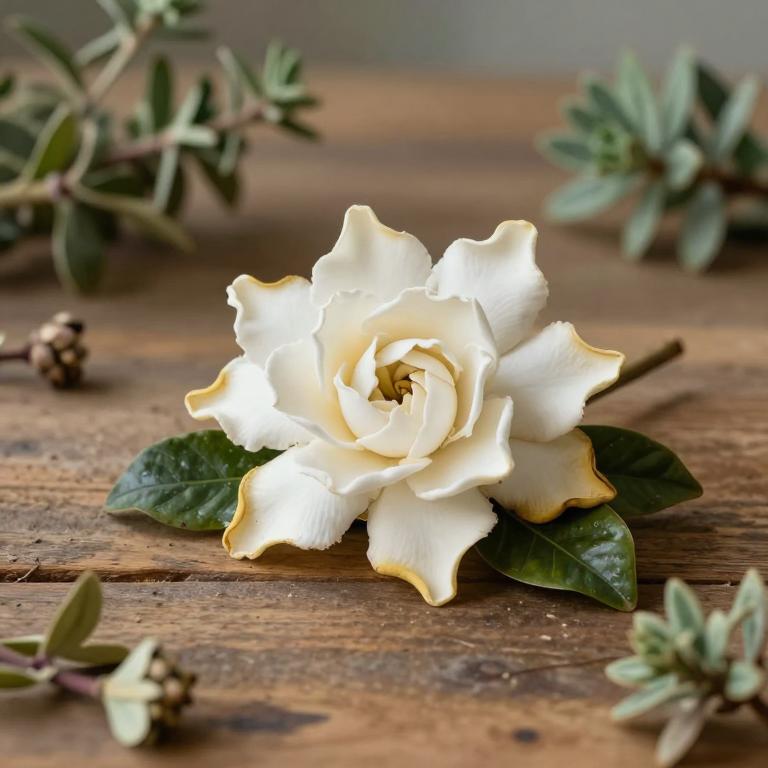
- Synonyms
- Decameria Jovis-Tonantis · Genipa Jovis-Tonantis · 3 more
- Common names
- Not available
- Family
- Not available
- Distribution
- Not available
- Plant Parts
- Not available
Classification
Synonyms
Gardenia ternifolia subsp. jovis-tonantis is a complex botanical subject that is frequently referred to by several different scientific names. Within botanical literature, this subspecies is recognized by various synonyms, including Decameria jovis-tonantis and Gardenia jovis-tonantis. Researchers may also encounter it documented as Gardenia lutea or as the specific variety Gardenia ternifolia var. jovis-tonantis. Furthermore, the name Genipa jovis-tonantis serves as another valid synonym used to describe this particular plant. Navigating these overlapping classifications is essential for ensuring accuracy when studying its unique biological characteristics.
Sources: The World Checklist of Vascular Plants (WCVP)
Distribution
Geographic Regions
Gardenia ternifolia subsp. jovis-tonantis is a distinct botanical variety primarily found throughout the diverse landscapes of Africa. Its range spans across East Tropical Africa, where it can be located in Kenya, Tanzania, and Uganda. The subspecies also extends into the Northeast Tropical region, making its presence felt in Ethiopia. Additionally, its distribution reaches into the territories of Sudan and South Sudan. This widespread presence across these specific regions highlights the plant's significant ecological footprint in East and Northeast Africa.
Sources: The World Checklist of Vascular Plants (WCVP)
Identification
Biological Activities
Gardenia ternifolia subsp. jovis-tonantis has demonstrated significant antiplasmodial activity in recent pharmacological screenings. Research focusing on Sudanese medicinal plants has identified several species capable of inhibiting the growth of Plasmodium falciparum strains. Specifically, extracts from certain plants in this study showed potent inhibitory effects, with some achieving IC(50) values of less than 5 microg/mL. This activity is particularly noteworthy when tested against both chloroquine-sensitive and chloroquine-resistant strains. Such findings highlight the potential of these botanical resources in the ongoing search for effective antimalarial treatments.
Compounds
Conditions
Gardenia ternifolia subsp. jovis-tonantis demonstrates significant antiplasmodial potential against specific malaria parasite strains. This plant subspecies effectively treats the Dd2 strain, which is characterized as being chloroquine resistant and pyrimethamine sensitive. Additionally, it shows efficacy in treating the Plasmodium falciparum 3D7 strain, which is noted for being chloroquine sensitive. The medicinal properties of this plant allow it to target these diverse parasitic profiles in vitro. These specific relationships highlight the plant's utility in addressing both sensitive and resistant forms of the infection.