Gardenia resinifera
Gardenia resinifera · Accepted scientific name
Scientific literature: Very Sparse (2 studies) · ★☆☆☆☆
Gardenia resinifera is a medicinal plant recognized for its diverse biological potential and therapeutic applications. Research focusing on its methanol extract, butanol fraction, chloroform fraction, and gum resin has revealed significant pharmacological properties. These preparations demonstrate notable antioxidant and antiproliferative activities when tested in biological models. Specifically, the plant contains key chemical constituents such as 5-desmethylnobiletin, Acerosin, Gardenin B, and Gardenin D. These compounds play a crucial role in modulating responses within keratinocytes and regulating nitric oxide levels.
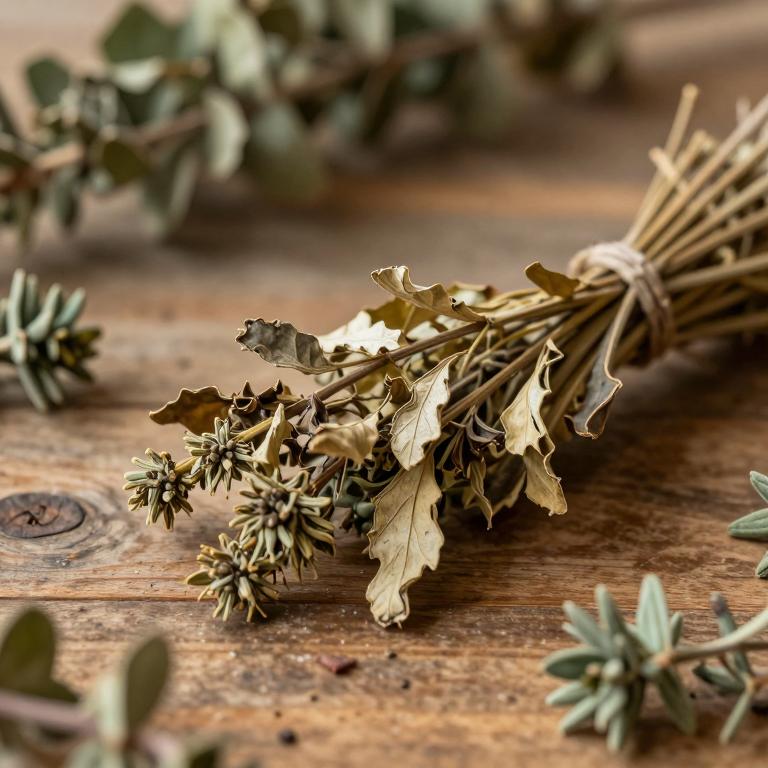
- Synonyms
- Genipa Resinifera · Gardenia Lucida
- Common names
- Not available
- Family
- Rubiaceae
- Distribution
- Not available
- Plant Parts
- Not available
Classification
Synonyms
Gardenia resinifera is a botanical species that is frequently identified by various scientific names due to its complex taxonomic history. In many botanical records, it is listed as having the synonym Gardenia lucida. Researchers also recognize Genipa resinifera as an alternative name for this specific plant. Understanding these synonymous relationships is essential for accurate identification in both scientific literature and gardening practices. Such nomenclatural variations ensure that botanists can consistently track the plant across different studies and regions.
Sources: The World Checklist of Vascular Plants (WCVP)
Taxonomy
Gardenia resinifera is a fascinating botanical specimen that belongs to the vast kingdom Plantae. Within this biological realm, it is classified under the class Equisetopsida to define its fundamental structure. The plant is further categorized into the order Gentianales, which helps researchers understand its evolutionary lineage. It belongs to the prominent genus Gardenia, a group known for its distinctive and fragrant characteristics. Ultimately, this species is a member of the Rubiaceae family, placing it among a diverse collection of flowering plants.
| Rank | Classification |
|---|---|
| Kingdom | Plantae |
| Phylum | Streptophyta |
| Class | Equisetopsida |
| Subclass | Magnoliidae |
| Order | Gentianales |
| Family | Rubiaceae |
| Genus | Gardenia |
Sources: The World Checklist of Vascular Plants (WCVP)
Distribution
Geographic Regions
Gardenia resinifera is a notable plant species primarily distributed throughout the tropical regions of Asia. Its natural range extends across the Indian Subcontinent, with significant populations found in both India and Bangladesh. The species also flourishes within the Indo-China region, specifically stretching into Myanmar. This wide geographical footprint highlights its adaptability to various tropical environments across the continent. Understanding these diverse habitats is essential for studying the ecological role of this resilient plant.
Sources: The World Checklist of Vascular Plants (WCVP)
Identification
Morphology
Gardenia resinifera is a self-supporting shrub that adds structured elegance to any landscape. This resilient plant typically reaches a maximum height of 3 meters, providing a lush backdrop for garden designs. Its sturdy growth form makes it an ideal choice for those seeking a reliable and well-defined ornamental feature.
Sources: Global Inventory of Floras and Traits (GIFT)
Biological Activities
Gardenia resinifera demonstrates significant pharmacological potential through its bioactive gum resin. Scientific investigation reveals that this plant possesses potent antioxidant activity, with specific compounds acting as effective scavengers. Furthermore, the resin exhibits notable antiproliferative properties against various cancer cell lines, including lung, breast, and colon cells. These therapeutic effects are largely attributed to the presence of diverse polymethoxyflavones found within its extracts. Consequently, these constituents serve as promising leads for developing targeted medical treatments.
Compounds
Gardenia resinifera is a significant source of various bioactive polymethoxyflavones found within its gum resin. Research identifies that this plant contains 5-desmethylnobiletin, which contributes to its complex chemical profile. Additionally, the resin is characterized by the presence of Acerosin, adding to its diverse range of constituents. Other important compounds found in the plant include Gardenin B, Gardenin D, and Gardenin E. Together, these specific relationships highlight the rich pharmacological potential inherent in the species.
Conditions
Gardenia resinifera, specifically through its bioactive constituents, acts as a significant inhibitor of ODC. The plant's extracts demonstrate potent antiproliferative effects against various breast cell lines. It also shows efficacy in treating colon cell lines and hepatic cell lines through cellular proliferation inhibition. Furthermore, the resin exhibits the ability to treat cathepsin D activity by potently inhibiting it.
Preparations
Gardenia resinifera is utilized in various ways, including being prepared as plant extracts for the synthesis of superparamagnetic α-Fe2O3 nanoparticles. The plant is also processed to be prepared as a methanol extract to study its pharmacological attributes. Additionally, it is prepared as a chloroform fraction to investigate its antiproliferative activities. Further research involves the plant being prepared as a butanol fraction for specific biological assessments. Finally, Gardenia resinifera is prepared as gum resin to identify bioactive polymethoxyflavones.