garcinias
Garcinia · Accepted scientific name
Scientific literature: Very Sparse (44 studies) · ★☆☆☆☆
Garcinia, scientifically known as Garcinia, is a diverse genus of tropical trees renowned for their potent medicinal properties. Often called "Malabar tamarind," these plants are rich in hydroxycitric acid (HCA). They are widely utilized in traditional medicine to support weight management, enhance digestion, and provide powerful antioxidant benefits.
- Family
- Clusiaceae
- Native range
- Africa
- Parts used
- Fruit · Leaf
- Common names
- Garcinias · Mangosteen Genus
- Scientific synonyms
- Hebradendron · Cambogia · 25 more
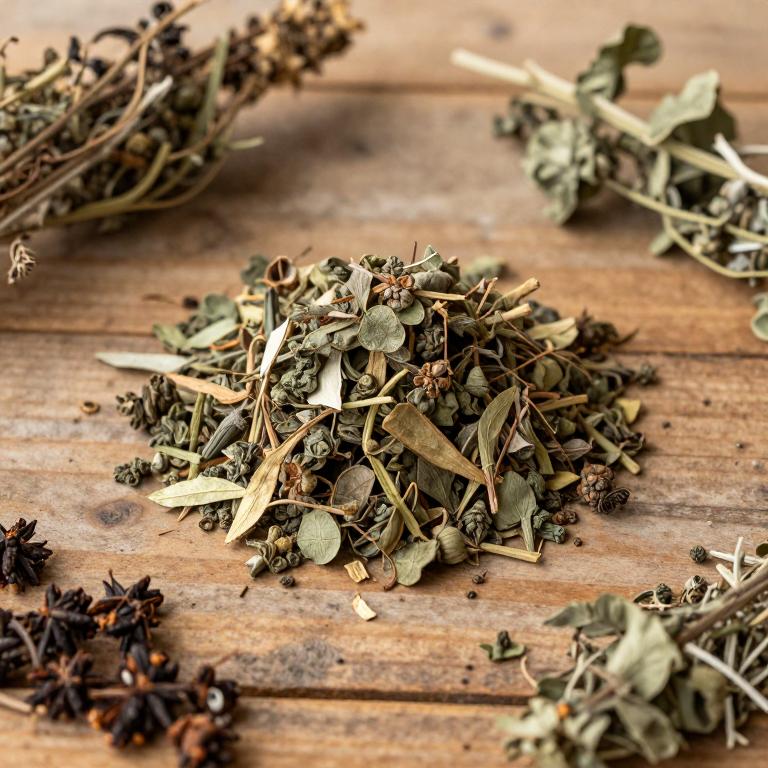
Names and Synonyms
Common Names
- garcinias
- Mangosteen genus
Scientific Names
Accepted name
GarciniaSynonyms
- Hebradendron
- Cambogia
- Chloromyron
- Discostigma
- Allanblackia
- Xanthochymus
- Rheedia
- Rhinostigma
- Magostan
- Mangostana
- Verticillaria
- Coddampulli
- Clusianthemum
- Tsimatimia
- Tripetalum
- Terpnophyllum
- Ochrocarpos
- Oxycarpus
- Lamprophyllum
- Koddampuli
- Septogarcinia
- Stearodendron
- Platorheedia
- Pentaphalangium
- Brindonia
- Stalagmitis
- Biwaldia
Sources: Wikidata, Catalogue of Life
Taxonomical Classification
This plant belongs to the kingdom Plantae and the phylum Streptophyta, falling under the class Equisetopsida and subclass Magnoliidae. Within the order Malpighiales, it is classified under the family Clusiaceae. Its taxonomic identity is further defined by its placement in the genus Garcinia.
| Rank | Classification |
|---|---|
| Kingdom | Plantae |
| Phylum | Streptophyta |
| Class | Equisetopsida |
| Subclass | Magnoliidae |
| Order | Malpighiales |
| Family | Clusiaceae |
| Genus | Garcinia |
Sources: The World Checklist of Vascular Plants (WCVP)
Distribution
This plant exhibits a specific distribution pattern concentrated within the West Tropical Africa region. It is found natively in the country of Benin, where it thrives in local ecosystems. The species also extends its range into Burkina Faso, contributing to the regional biodiversity. Furthermore, its presence is documented throughout Guinea-Bissau and the neighboring nation of Guinea. Consequently, its geographical footprint is primarily defined by these specific West African territories.
| Region | Area |
|---|---|
| West Tropical Africa | Benin |
| West Tropical Africa | Burkina |
| West Tropical Africa | Ghana |
| West Tropical Africa | Guinea-Bissau |
| West Tropical Africa | Guinea |
| West Tropical Africa | Ivory Coast |
| West Tropical Africa | Liberia |
| West Tropical Africa | Mali |
| West Tropical Africa | Nigeria |
| West Tropical Africa | Niger |
Sources: The World Checklist of Vascular Plants (WCVP)
Plant Parts
Garcinia has 5 reported plant parts identified across 8 scientific publications and several other databases that are studied for medicinal purposes. The most consistently reported plant part include fruit, leaf, root, seed, stem.
| Plant part | Supporting sources | Consensus |
|---|---|---|
| Fruit | 4 supporting sources | ★★☆☆☆ |
| Leaf | 1 supporting sources | ★☆☆☆☆ |
| Root | 1 supporting sources | ★☆☆☆☆ |
| Seed | 1 supporting sources | ★☆☆☆☆ |
| Stem | 1 supporting sources | ★☆☆☆☆ |
Fruit
- Drug design, development and therapy
- Phytotherapy research : PTR
- Fitoterapia
- Annals of medicine
Leaf
- Drug design, development and therapy
Root
- Drug design, development and therapy
Seed
- Drug design, development and therapy
Stem
- Drug design, development and therapy
Chemicals
Garcinia has 11 reported phytochemicals identified across 8 scientific publications and several other databases. The most consistently reported chemicals include Garcinol, 7-epiclusianone, Bioflavonoids, Griffipavixanthone, HEXANE.
| Chemical | Supporting sources | Consensus |
|---|---|---|
| Garcinol | 2 supporting sources | ★☆☆☆☆ |
| 7-epiclusianone | 1 supporting sources | ★☆☆☆☆ |
| Bioflavonoids | 1 supporting sources | ★☆☆☆☆ |
| Griffipavixanthone | 1 supporting sources | ★☆☆☆☆ |
| HEXANE | 1 supporting sources | ★☆☆☆☆ |
| Kolaflavanone | 1 supporting sources | ★☆☆☆☆ |
| Neobractatin | 1 supporting sources | ★☆☆☆☆ |
| Triterpenes | 1 supporting sources | ★☆☆☆☆ |
| cambogin | 1 supporting sources | ★☆☆☆☆ |
| gambogic acid | 1 supporting sources | ★☆☆☆☆ |
Garcinol
- Drug design, development and therapy
- Nature communications
7-epiclusianone
- Drug design, development and therapy
Bioflavonoids
- Drug design, development and therapy
Griffipavixanthone
- Drug design, development and therapy
HEXANE
- Drug design, development and therapy
Kolaflavanone
- Journal of biochemistry
Neobractatin
- Drug design, development and therapy
Triterpenes
- Drug design, development and therapy
cambogin
- Drug design, development and therapy
gambogic acid
- Current medicinal chemistry
Activities
Garcinia has 4 reported activities identified across 8 scientific publications and several other databases. The most consistently reported activities include Antibacterial, Antimalarial, Antiplasmodial, Cytotoxic.
| Activity | Supporting sources | Consensus |
|---|---|---|
| Antibacterial | 1 supporting sources | ★☆☆☆☆ |
| Antimalarial | 1 supporting sources | ★☆☆☆☆ |
| Antiplasmodial | 1 supporting sources | ★☆☆☆☆ |
| Cytotoxic | 1 supporting sources | ★☆☆☆☆ |
Antibacterial
- Current medicinal chemistry
Antimalarial
- African health sciences
Antiplasmodial
- African health sciences
Cytotoxic
- Current medicinal chemistry
Conditions
Garcinia has 8 reported investigations on conditions identified across 8 scientific publications and several other databases. The most consistently reported conditions include Dengue virus, Type 2 diabetes mellitus, breast cancer, cardiovascular diseases, malaria.
| Condition | Supporting sources | Consensus |
|---|---|---|
| Dengue virus | 1 supporting sources | ★☆☆☆☆ |
| Type 2 diabetes mellitus | 1 supporting sources | ★☆☆☆☆ |
| Breast cancer | 1 supporting sources | ★☆☆☆☆ |
| Cardiovascular diseases | 1 supporting sources | ★☆☆☆☆ |
| Malaria | 1 supporting sources | ★☆☆☆☆ |
| Metabolic syndrome | 1 supporting sources | ★☆☆☆☆ |
| Obesity | 1 supporting sources | ★☆☆☆☆ |
| Overweight | 1 supporting sources | ★☆☆☆☆ |
Dengue virus
- Bioinformation
Type 2 diabetes mellitus
- Journal of advanced pharmaceutical technology & research
Breast cancer
- Drug design, development and therapy
Cardiovascular diseases
- Current medicinal chemistry
Malaria
- Current medicinal chemistry
Metabolic syndrome
- Journal of advanced pharmaceutical technology & research
Obesity
- Journal of advanced pharmaceutical technology & research
Overweight
- Journal of advanced pharmaceutical technology & research
Preparations
Garcinia has 1 reported preparations identified across 8 scientific publications and several other databases. The most consistently reported preparations include fruit extract.
| Preparation | Supporting sources | Consensus |
|---|---|---|
| Fruit extract | 1 supporting sources | ★☆☆☆☆ |
Fruit extract
- Annals of medicine