Garcinia spicata
Garcinia spicata · Accepted scientific name
Scientific literature: Very Sparse (0 studies) · ★☆☆☆☆
Garcinia spicata is a botanical species that has garnered significant attention within the field of ethnopharmacology. Researchers are increasingly investigating its chemical properties to combat various parasitic infections. Most notably, studies are focusing on its potential efficacy against Plasmodium falciparum, the deadliest agent of malaria. By analyzing its bioactive compounds, scientists hope to uncover new pathways for medicinal development. Understanding this plant's therapeutic potential could provide vital tools in the global fight against malaria.
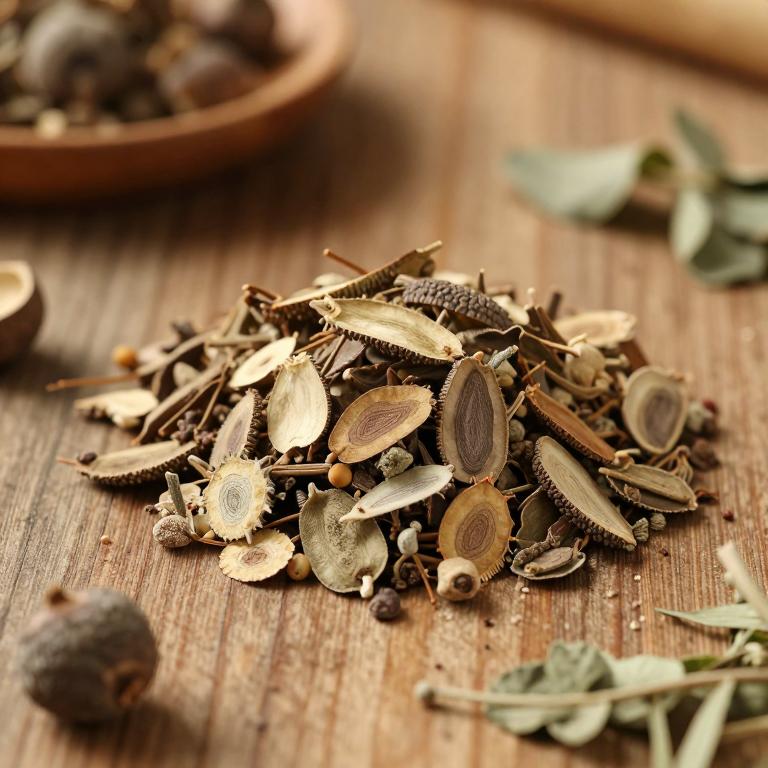
- Synonyms
- Xanthochymus Spicatus · Xanthochymus Ovalifolius · 2 more
- Common names
- Not available
- Family
- Clusiaceae
- Distribution
- Not available
- Plant Parts
- Not available
Classification
Common Names
Garcinia spicata is a fascinating botanical species widely recognized by its local common name, Manjananku. This plant plays a significant role in various ecosystems where it can be found growing naturally. People often seek out Manjananku due to its unique characteristics and potential uses in traditional practices. Understanding the relationship between its scientific classification and its regional identity helps researchers better document its importance. By studying Garcinia spicata, we gain a deeper appreciation for the diverse biodiversity present in its native habitats.
Sources: Catalogue of Life (COL)
Synonyms
Garcinia spicata is a plant species that has been identified through various botanical classifications over time. Scientific literature notes that it is synonymous with the variety Garcinia spicata var. glomerata. The species is also linked to the name Stalagmitis ovalifolia in certain taxonomic records. Furthermore, it shares synonyms with the genus Xanthochymus, specifically under the names Xanthochymus ovalifolius and Xanthochymus spicatus. Understanding these various nomenclatural connections is essential for accurate botanical identification and study.
Sources: The World Checklist of Vascular Plants (WCVP)
Taxonomy
Garcinia spicata is a fascinating botanical specimen that belongs to the diverse kingdom Plantae. Within this vast realm, the plant is classified under the class Equisetopsida. It further occupies a specific place in the biological hierarchy as a member of the order Malpighiales. This species is nested within the family Clusiaceae, showcasing its unique evolutionary traits. Ultimately, it is identified by its distinct taxonomic placement within the genus Garcinia.
| Rank | Classification |
|---|---|
| Kingdom | Plantae |
| Phylum | Streptophyta |
| Class | Equisetopsida |
| Subclass | Magnoliidae |
| Order | Malpighiales |
| Family | Clusiaceae |
| Genus | Garcinia |
Sources: The World Checklist of Vascular Plants (WCVP)
Distribution
Geographic Regions
Garcinia spicata is a tropical species primarily found throughout the diverse landscapes of the Asian continent. Its natural distribution is most concentrated within the Indian Subcontinent, where it thrives in various regional ecosystems. Specifically, the plant is well-documented across many different parts of India. Beyond the Indian mainland, its presence extends across the waters to the island nation of Sri Lanka. This widespread geographical range highlights the species' ability to adapt to the humid climates characteristic of these tropical regions.
Sources: The World Checklist of Vascular Plants (WCVP)
Identification
Morphology
Garcinia spicata is a self-supporting plant that maintains its own structural integrity without the need for external support.
Sources: Global Inventory of Floras and Traits (GIFT)
Biological Activities
Compounds
Conditions
Garcinia spicata contains bioactive compounds that demonstrate potential for treating Plasmodium falciparum. This plant species belongs to a genus traditionally used in African and Asian medicines to combat malaria. During research, whole fruit extracts from G. spicata were tested for their in vitro inhibitory activity against the parasite. These studies aim to validate the medicinal use of such fruits by identifying specific antiplasmodial benzophenones and xanthones. Consequently, the plant serves as a significant subject for investigating dietary sources of chemopreventive compounds against malaria.